The Gulf's Restaurant Scene Is Reinventing Itself in 2026
After two years of shocks, Gulf dining is rebuilding around homegrown brands and confident local concepts rather than imported franchise names.
Outspoken Digest Business Desk
Tuesday, May 19, 2026/3 min read
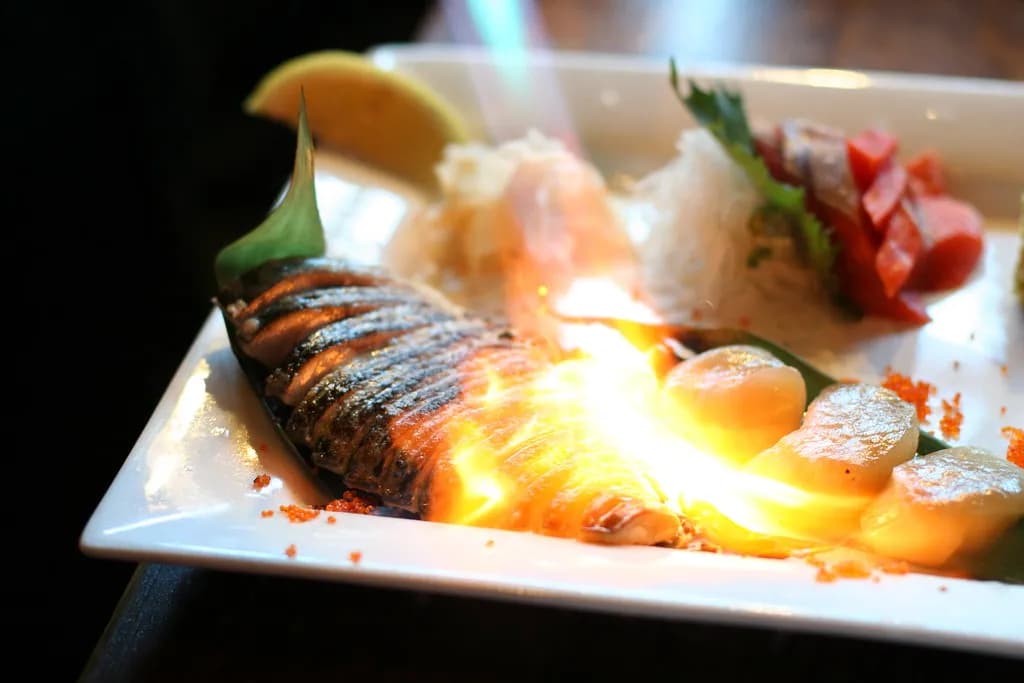
Two years of boycotts, shipping chaos and two regional wars would have flattened most food and beverage markets. The Gulf's has come out the other side doing something unexpected: building its own brands rather than waiting for the imported ones to feel safe again.
Riyadh, Jeddah and Dubai are all in the middle of a wave of openings that looks nothing like the franchise-led expansion of the past decade. The names on the new awnings are Saudi and Emirati, not licensed from London or Los Angeles, and the strategy behind them is deliberate rather than accidental.
Who is actually opening right now
Saudi hospitality group Leylaty has spent the past two years building out a portfolio of homegrown concepts rather than importing more foreign licenses, including Kuuru, a Japanese-Peruvian Nikkei concept that expanded from Jeddah into Riyadh's King Abdullah Financial District, and Toki, alongside a newer YU by Toki concept at Al Mamlaka Social Dining, according to Caterer Middle East.
The UAE side of the market shows the same instinct. 71 Steak & Grill has expanded across Ajman, Sharjah and Dubai as a homegrown brand reflecting a confident Emirati identity, part of a broader pattern of local operators scaling multi-emirate footprints instead of ceding that growth to international names.
International brands are still coming, just differently
It isn't a total retreat from global names. London's Berenjak, run in partnership with Cool Inc, the group behind Gymkhana and Ferdi, opened a permanent restaurant at VIA Riyadh in April, following a successful pop-up during Riyadh Season the year before, according to Destination KSA. The difference from the old franchise playbook is partnership and localisation rather than a straight licensed rollout, entering the market through collaboration with regional operators rather than a standalone import.
What's driving the shift
Cafes and limited-service formats remain the fastest-growing segment of the market, with projections of 7 to 8 percent annual growth through 2027, but density in major cities has increased more than 25 percent over the past three years, according to analysis from Food Forward Consulting. That density means competition is now won on loyalty and consistency rather than novelty, a dynamic that favours operators with deep local roots over brands relying on imported cachet alone.
- Homegrown Saudi and Emirati groups are scaling multi-city footprints once dominated by international franchises.
- International openings increasingly arrive through local partnerships rather than direct franchise licensing.
- Daily-frequency formats, cafes, casual dining, are outgrowing the special-occasion dining that defined the pre-2023 boom.
What comes next
The brands that spent the turbulent years building genuine local followings, rather than leaning on a recognisable foreign logo, are the ones positioned to keep growing as the region's dining scene matures past its post-shock rebuild. Whether that homegrown wave becomes the region's next export, the way Gulf hospitality groups already export hotel and retail concepts abroad, is the story worth watching through the rest of this year.
The women shaping the new wave
Part of what makes this cycle of openings different is who is behind it. Trade coverage tracking the region's most influential operators this year has highlighted a growing bench of women leading concept development, operations and expansion across Gulf F&B groups, a shift industry watchers link directly to the homegrown boom, since locally rooted concepts have tended to draw more heavily on regional hospitality talent than the standard international franchise playbook did.
That talent pipeline matters for durability. A brand built around a founder's genuine point of view on regional food culture is harder for a rival to copy than a franchise agreement is to license, which is part of why operators betting on original concepts describe this moment as a rare structural opening rather than a passing trend tied to any one geopolitical event.
Recovering demand meets a changed market
None of this is happening in a vacuum of easy conditions. The sector is rebuilding against a backdrop of a bruised regional economy following February's war and the Hormuz closure that followed it, with consumer spending still working its way back to pre-conflict levels in several Gulf markets. Operators opening new concepts this year are doing so with leaner unit economics than the pre-2023 boom allowed, smaller footprints, tighter menus, delivery-first formats in some cases, a discipline that may end up serving the sector well regardless of how the wider recovery plays out.
What is clear five months into this reinvention cycle is that the Gulf's F&B scene did not simply wait out two years of shocks for things to return to how they were. It used them to change what it was building in the first place.
Published in The Outspoken Digest
Editorial desk
Outspoken Digest Business DeskCompanies, markets and the money moving through the region.
Newsletter
The Digest, in your inbox
One edition, sent when it is ready. No noise, and your address is never passed on.
Read Next
More Business →
Nasdaq Falls 1.25% as the FT Puts OpenAI's Annualized Revenue Near $50 Billion, Not $70 Billion
Oct 9, 2026/2 min read
Treasury Yields Hit a 24-Year High, Waller Says More Fed Rises Are Coming, and the 30-Year Auction Clears at 5.618%
Oct 9, 2026/2 min read
Samsung's 107 Trillion Won Quarter Outearned Nvidia, and Its Shares Fell 2.4 Per Cent Anyway
Oct 8, 2026/3 min read

McKesson and CD&R Agree to Take Option Care Health Private in a $5.8 Billion Home Infusion Deal
Oct 7, 2026/2 min read