Nasdaq Falls 1.25% as the FT Puts OpenAI's Annualized Revenue Near $50 Billion, Not $70 Billion
A report that OpenAI's run-rate sales are about $20 billion below the figure investors had been quoting pulled chip and cloud stocks down, while bond yields and oil stayed high.
Friday, October 9, 2026/2 min read
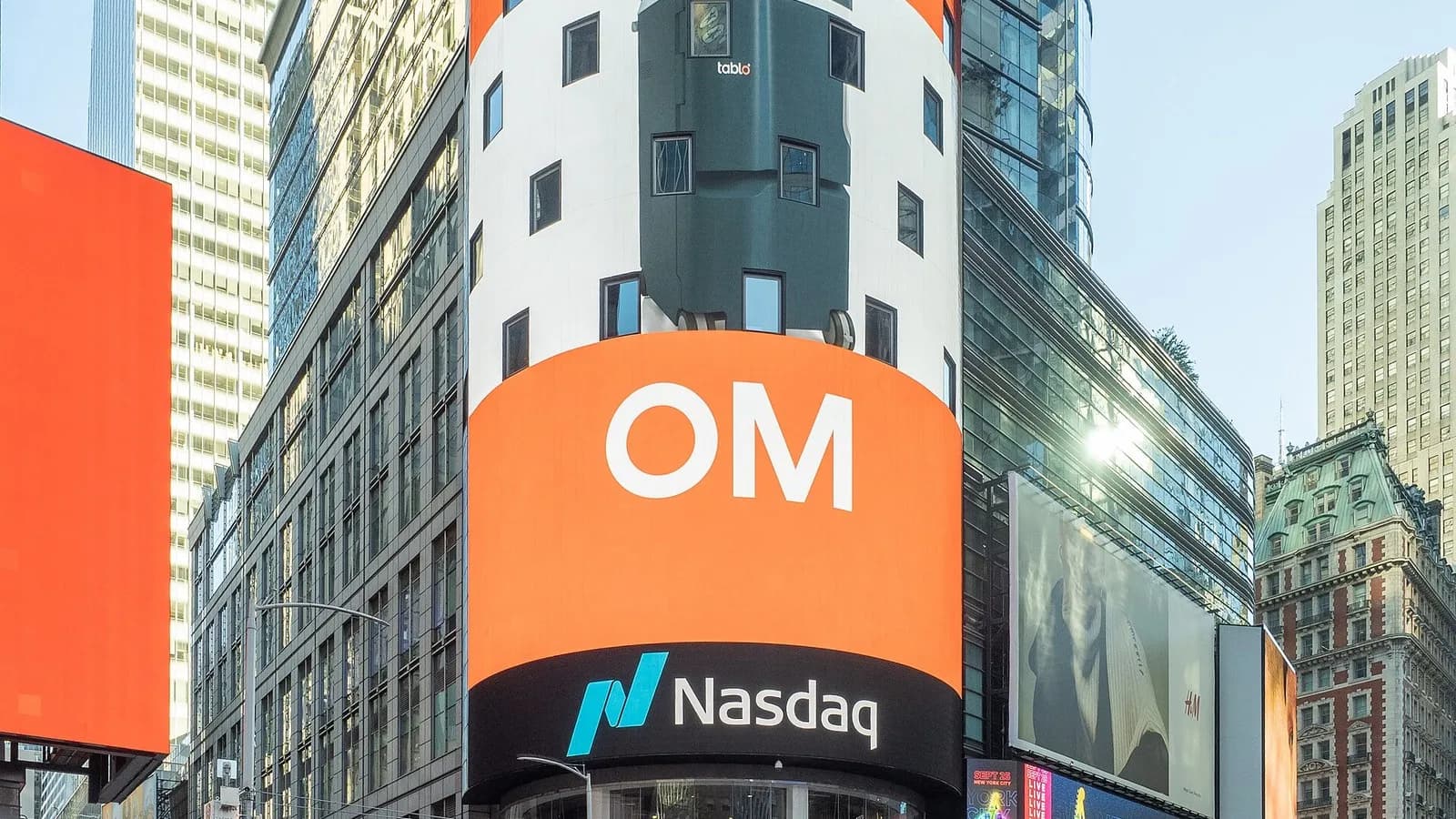
The artificial-intelligence trade took its first real knock in weeks from a single number. On Thursday the Financial Times reported, citing a note OpenAI sent to investors, that the company's annualized revenue was close to $50 billion at the end of September. A month earlier the figure circulating in the press had been $70 billion.
The Nasdaq Composite closed down 1.25 percent at 27,193.34, according to TradingKey's market report. The S&P 500 fell 0.47 percent to 7,765.36, and the Dow edged up 0.10 percent to 51,231.64. It was the second losing session in a row for the Nasdaq and the S&P 500, which had both closed at record highs on Tuesday, Yahoo Finance's live coverage noted.
Why do the OpenAI revenue figures differ?
Much of the $20 billion gap is accounting, not collapse. Yahoo Finance's report on the sell-off says Anthropic counts sales made through cloud partners such as Amazon Web Services and Google Cloud, while OpenAI does not, so investors who restated OpenAI on Anthropic's basis arrived at the higher estimate. OpenAI also told investors its revenue grew more than 70 percent over the period, and audited documents cited by Quartz put its full-year 2025 revenue at $13.07 billion.
That is a reassuring reading for OpenAI and an uncomfortable one for anyone who had priced the higher number into chip makers, cloud providers and data-centre lenders. A smaller base means the same spending plans rest on less income.
Which stocks fell on the OpenAI news?
The memory and chip names took the heaviest hits. Micron fell 4.79 percent to close at $1,035.84, SanDisk lost 4.90 percent, Broadcom 4.35 percent and Nvidia 2.94 percent, according to TradingKey. During the afternoon the Nasdaq 100 dropped more than 300 points in about half an hour, and Yahoo Finance's live page showed Arm, Intel and Marvell each down more than 6 percent at one stage. Palantir bucked the trend, rising about 3 percent after Goldman Sachs upgraded it to Buy.
Is the AI borrowing the bigger worry?
The same Yahoo Finance report cited the Wall Street Journal as saying Broadcom is seeking more than $50 billion in financing for a custom chip it is building with OpenAI. Set beside a 30-year Treasury yield at its highest in more than two decades and Brent crude above $100, the numbers describe an industry that is borrowing heavily at the moment borrowing has become expensive. Macquarie, quoted on Yahoo's live page, noted that "almost all of the high-profile financial blow-outs" of the past five decades followed rapid moves in bond yields.
Yahoo's live page put the 10-year yield at 5.23 percent by the close, and Reuters's market report framed the session around an oil jump and high yields fuelling inflation concerns. We covered the bond side of this in today's yields report.
The test now is whether this was a one-session reaction to an accounting footnote or the first sign that investors will want proof of income before they fund the next round of AI capacity. Friday's trading will show how much of the damage was a rush for the exit and how much was repricing.
Published in The Outspoken Digest
Editorial desk
Outspoken Digest Markets DeskReports for The Outspoken Digest across Business, Crypto.
Newsletter
The Digest, in your inbox
One edition, sent when it is ready. No noise, and your address is never passed on.
Read Next
More Business →
Treasury Yields Hit a 24-Year High, Waller Says More Fed Rises Are Coming, and the 30-Year Auction Clears at 5.618%
Oct 9, 2026/2 min read

Samsung's 107 Trillion Won Quarter Outearned Nvidia, and Its Shares Fell 2.4 Per Cent Anyway
Oct 8, 2026/3 min read
McKesson and CD&R Agree to Take Option Care Health Private in a $5.8 Billion Home Infusion Deal
Oct 7, 2026/2 min read
Nippon Paint Agrees to Buy AkzoNobel's Southeast Asian Paints Business for $1.35 Billion
Oct 5, 2026/2 min read