Nippon Paint Agrees to Buy AkzoNobel's Southeast Asian Paints Business for $1.35 Billion
The Japanese group walks away with a narrower prize than the whole decorative division it once chased. AkzoNobel expects about $1 billion in net cash and says the sale ends its review of Asian decorative paints.
Monday, October 5, 2026/2 min read
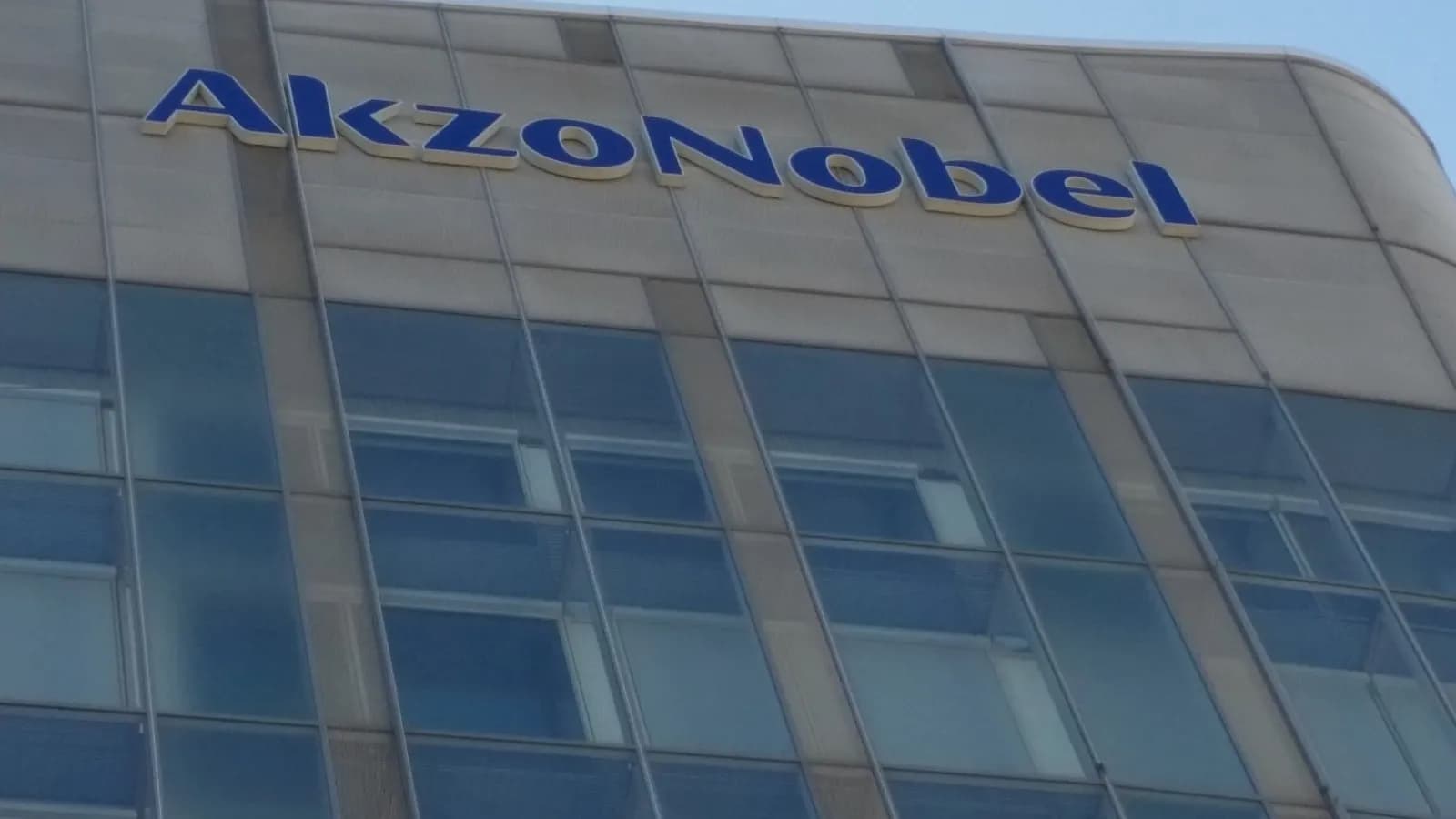
Nippon Paint Holdings has agreed to buy AkzoNobel's decorative paints business in Southeast Asia and Australia for $1.35 billion, closing a long courtship that began with a far bigger ambition. Whalesbook's account of the deal said AkzoNobel expects about $1 billion in net cash proceeds, after tax and payments to minority partners in the local companies.
What is changing hands
The perimeter covers Singapore, Indonesia, Thailand, Malaysia, Vietnam, Papua New Guinea and Australia. The Indonesian part is expected to close separately in late 2026, with the remaining transactions following around mid-2027. AkzoNobel said the sale concludes its strategic review of its Asian decorative paints portfolio, which had already led it out of the Indian and Pakistani markets, and Whalesbook reported that the Dutch company is now turning its attention to its planned merger with the American coatings maker Axalta.
The price, and who is paying
This is a smaller deal than the one Nippon wanted. Market Briefs reported that Nippon had earlier pursued AkzoNobel's whole residential and commercial paints arm for 7.5 billion euros ($8.4 billion), and had also teamed up with Sherwin-Williams on a joint approach for the entire Dutch company. Those approaches were rejected, and AkzoNobel kept control of its coatings operations and its global business services unit.
On Market Briefs' figures, drawn from Nippon's presentation, the assets generated $291 million of sales and $65 million of EBITDA in 2025, both lower than a year earlier. AkzoNobel values the sale at about 21 times 2025 EBITDA, while Nippon puts it at roughly 16 times its 2026 outlook. Its earlier offer for the whole decorative division implied about 11.5 times, so the regional assets cost more per unit of earnings than the broader bid would have.
Why Nippon will pay up
Nippon's case rests on synergies. It expects annual savings in the high single digits as a percentage of sales from joint purchasing, manufacturing and logistics, cross-selling and leaner overheads, and says the deal will add to profits once it completes in mid-2027. The purchase adds to its presence in Vietnam, Indonesia, Malaysia, Thailand and Singapore.
For AkzoNobel the logic is simplification. Selling regional units while it prepares a transatlantic merger leaves a tidier company and a cash cushion. Execution is the risk on both sides: a staged closing across seven jurisdictions needs regulatory approvals in each, and the staggered timetable, with Indonesia first and the rest more than half a year behind, means the transfer will be tested well before it is finished.
Published in The Outspoken Digest
Editorial desk
Outspoken Digest Markets DeskReports for The Outspoken Digest across Business, Crypto.
Newsletter
The Digest, in your inbox
One edition, sent when it is ready. No noise, and your address is never passed on.
Read Next
More Business →
Tesla Beats Profit Estimates on $28.05 Billion in Revenue, Then Slips After Hours
Oct 22, 2026/2 min read

Nasdaq Jumps 1.05% as SpaceX and Super Micro Revive the AI Trade While Netflix and AT&T Slide
Oct 22, 2026/2 min read

Jio Platforms Raises Rs 8,110 Crore From Anchors at the Top of Its Range as India's Biggest IPO Opens
Oct 21, 2026/2 min read

Netflix Beats on Profit, Then Slides After Hours as It Trims Its Ad Forecast and Guides Lower
Oct 21, 2026/2 min read