The Red Sea Crisis Is Squeezing Gulf Restaurant Margins
Shipping disruption is pushing up the cost of imported produce and packaging, and Gulf restaurateurs are running out of room to absorb it quietly.
Outspoken Digest Business Desk
Tuesday, April 9, 2024/3 min read
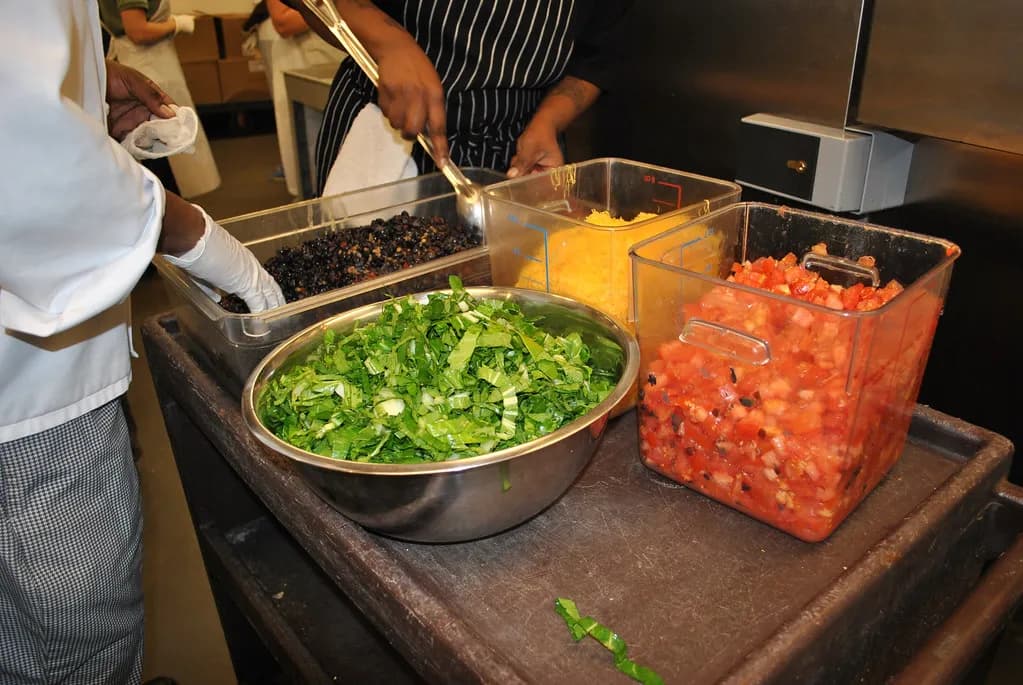
A restaurateur in Dubai does not usually think about a strait in Yemen when pricing a Caesar salad. This spring, that connection has become impossible to ignore. Five months into the Red Sea shipping crisis, the cost of getting produce, packaging and dry goods into the Gulf has climbed enough that menu prices are starting to move, quietly, item by item.
The mechanics are not complicated. Houthi attacks on commercial shipping have pushed major carriers to reroute around Africa's Cape of Good Hope, adding transit time and cost to routes that used to run through the Suez Canal. For a kitchen that orders citrus from Egypt or dry goods from Europe on a weekly cycle, a ten to fourteen day delay is not an abstraction. It is a gap on a delivery truck.
Where the pressure is landing hardest
Fresh produce has taken an early hit. Analysis from FoodUnfolded points to pressure on citrus and other fruit and vegetable exports that have traditionally moved from Egypt into the UAE, Saudi Arabia and the wider Gulf, exactly the kind of short shelf-life items that cannot simply wait out a longer shipping route.
Packaged and specialty goods sourced further afield are also affected. Import costs for products like apples shipped from Ukraine and Moldova have risen as logistics costs and transfer times have climbed, according to reporting from Just Food, part of a broader pattern hitting the food and beverage sector's reliance on long, tightly scheduled supply chains.
How operators are responding
Hotels, resorts and restaurants across Dubai and Abu Dhabi are paying more for imported food, luxury goods and transportation, and many are passing at least some of that through in room rates and on menus rather than absorbing it entirely against already thin hospitality margins.
- Some kitchens are substituting regional or Gulf-grown produce where shelf-stable alternatives exist.
- Menus are quietly dropping items dependent on the least reliable import lanes rather than raising prices on them.
- Larger groups with purchasing scale are locking in longer freight contracts to smooth out the volatility smaller independents cannot absorb.
Is relief coming
There is no clear end date. The UN Conference on Trade and Development has tracked the disruption's ripple effects across global shipping routes, and with attacks continuing into the spring, carriers show little sign of returning to the Suez route on the timeline anyone in hospitality procurement would prefer.
For now, Gulf restaurant operators are doing what the industry has always done under pressure: trimming waste, renegotiating supplier terms, and hoping a strait most of their customers have never heard of settles down before the next quarter's contracts come up for renewal.
Why raising prices is not a simple fix
The obvious move, passing costs straight onto diners, is complicated by timing. Many Gulf restaurants are simultaneously navigating the early effects of consumer boycotts tied to the war in Gaza, which makes this an unusually risky moment to be seen raising prices, particularly at brands with any Western association. Operators describe a narrow corridor: adjust menus enough to protect margin, but not so visibly that a price change itself becomes the story a frustrated customer posts about online.
Independent restaurants without the purchasing scale of the big hospitality groups are the most exposed. A single-location operator buying produce on weekly spot contracts has none of the hedging tools available to a hotel group or a franchise operator with regional buying power, and is often the first to feel a freight spike and the last to see relief once rates ease.
A silver lining for regional suppliers
Not every part of the food system is losing out. Suppliers based within the Gulf and its immediate neighbours, whose goods never needed to cross the Red Sea in the first place, have found themselves suddenly more price-competitive against European and Egyptian exporters facing the surcharge. Some Gulf procurement teams say they are testing regional suppliers they had not seriously considered before this year, relationships that could easily outlast the crisis that prompted them if the quality and reliability hold up.
That shift, if it sticks, would mark one of the quieter long-term effects of a shipping crisis that otherwise reads as pure disruption: a food system nudged, out of necessity, toward sourcing closer to home.
Published in The Outspoken Digest
Editorial desk
Outspoken Digest Business DeskCompanies, markets and the money moving through the region.
Newsletter
The Digest, in your inbox
One edition, sent when it is ready. No noise, and your address is never passed on.
Read Next
More Business →
Nasdaq Falls 1.25% as the FT Puts OpenAI's Annualized Revenue Near $50 Billion, Not $70 Billion
Oct 9, 2026/2 min read

Treasury Yields Hit a 24-Year High, Waller Says More Fed Rises Are Coming, and the 30-Year Auction Clears at 5.618%
Oct 9, 2026/2 min read

Samsung's 107 Trillion Won Quarter Outearned Nvidia, and Its Shares Fell 2.4 Per Cent Anyway
Oct 8, 2026/3 min read

McKesson and CD&R Agree to Take Option Care Health Private in a $5.8 Billion Home Infusion Deal
Oct 7, 2026/2 min read