Bookings Are Back, Confidence Is Still Catching Up
Two months after Iran and Israel's war grounded Gulf flights, travel demand is rebuilding, though not evenly and not everywhere at once.
Thursday, August 28, 2025/4 min read
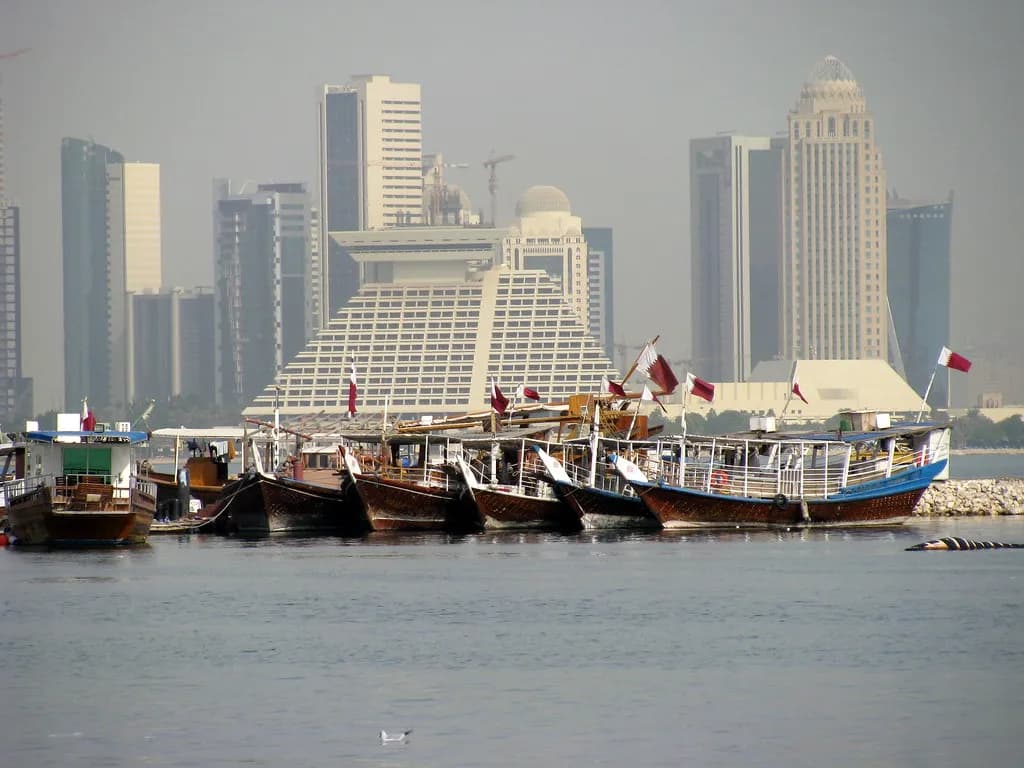
Two months on from a war that shut Gulf airspace for the better part of two weeks, the industry's preferred word is steady. Not roaring back, not fully healed, steady. It's a modest word for an unusually fast recovery, and it undersells how close the region came to a much longer hangover.
The June conflict between Israel and Iran, and the twelve days of airspace closures and mass flight cancellations it triggered, cost Gulf carriers heavily and put a dent in forward bookings that some in the industry expected to linger through the autumn. Instead, the numbers coming out of August tell a story of a region clawing its way back to normal faster than the headlines in June suggested it would.
What the airlines are actually seeing
Gulf Air's chief executive told The National in late July that overall travel bookings were moving at a reasonable, steady pace, with demand out of Asian markets described as healthy even as some parts of the network stayed weaker and needed stimulating through more competitive fares. That is airline speak for: the recovery is real, but it is not evenly distributed, and some routes need a push rather than a wait.
The pattern lines up with what destination level data is showing. Dubai still closed in on nearly 20 million international tourists across 2025 on current trajectory, according to figures cited by Travel And Tour World, even after absorbing a war in the middle of its peak summer booking window.
Why proximity is doing more work than trust right now
Analysts tracking the recovery describe it as uneven, driven more by proximity than by trust. Regional travellers and those from nearby source markets are returning to Dubai and Doha faster than long-haul leisure travellers from Europe and North America, who tend to need a longer stretch of calm before they commit a summer holiday to a region that made front pages for the wrong reasons in June.
That distinction matters commercially. Proximity travel tends to be shorter-stay and more price-sensitive; the higher-margin long-haul leisure segment is the one still sitting on the fence, waiting for confidence rather than availability to catch up.
What it cost at the peak, and what that says about the bounce
Industry estimates during the worst of the fighting put the potential cost to Middle East tourism at roughly $600 million a day, a figure that made the speed of this recovery more consequential than it might otherwise read. A region absorbing losses at that scale for even a fraction of the conflict's duration had every incentive to get flights, and confidence, moving again as fast as possible.
- Regional and Asian source markets are recovering faster than Western Europe and North America.
- Airlines are using fare promotions to stimulate softer corridors rather than waiting for demand to return on its own.
- Doha has already been positioned as the Gulf Tourism Capital for 2026, a signal the bloc is looking past the June shock rather than dwelling on it.
The harder question heading into autumn
A destination doesn't need to be hit directly by a war to suffer from one. If it becomes associated, even loosely, with a region in crisis, cautious travellers will choose a more reassuring alternative, and rebuilding that association takes longer than restoring a flight schedule. Gulf tourism boards know this, which is why the marketing push through the rest of this year is likely to lean as heavily on reassurance as on the destinations themselves.
For now, the runways are open, the bookings are climbing, and the Gulf's tourism machine looks to have weathered another shock better than the conflict itself suggested it would. Whether that holds through a full winter season, with no further flare-ups, is the test still ahead.
What hoteliers are seeing that airlines aren't
Hospitality operators describe a slightly different recovery curve than the airlines. Occupancy in Dubai and Abu Dhabi held up better through the conflict itself than forward bookings for the weeks immediately after it, a pattern operators attribute to guests already in the region simply staying put rather than cutting trips short, while travellers who had not yet booked paused to watch how the ceasefire held before committing. That gap between existing demand and new demand is exactly the segment airlines are now trying to win back with fare promotions.
Conference and business travel, historically a steadier segment than leisure during regional shocks, has also been slower to fully normalise, with several corporates keeping non-essential regional travel restricted through July even as consumer leisure bookings picked back up. That divergence matters for hotels that lean on corporate rates to fill midweek inventory, a segment leisure travellers alone cannot fully replace.
The marketing push behind the numbers
Destination marketing organisations across the bloc have leaned hard into reassurance messaging since the ceasefire, emphasising normalcy, safety infrastructure and uninterrupted flight schedules rather than the usual glossy lifestyle campaigns. Doha's newly announced status as Gulf Tourism Capital for 2026 is itself partly a confidence play, a forward-looking claim on the calendar meant to signal to the travel trade that the emirate expects to be firmly back in business well before the title year even begins.
Whether that messaging closes the remaining gap between recovering bookings and fully recovered trust by the time winter's high season arrives will likely determine whether 2025 ends as a year the Gulf's tourism sector merely survived, or one it can point to as proof the model works under real pressure.
Published in The Outspoken Digest
Editorial desk
Outspoken Digest Travel DeskDestinations, airlines, borders and the practicalities of getting there.
Newsletter
The Digest, in your inbox
One edition, sent when it is ready. No noise, and your address is never passed on.
Read Next
More Travel →
Hurricane Isaias Closes Gulf Coast Airports and Clears Alabama's Beaches as Airlines Waive Change Fees
Oct 8, 2026/3 min read

Oktoberfest 2026 Ended With a Record 7.4 Million Visitors, Beating the Previous High by 200,000
Oct 4, 2026/2 min read

Hawaii's 90-Foot Hōlei Sea Arch, About 550 Years Old, Collapsed Into the Pacific During Storm Nolo
Oct 3, 2026/2 min read