At Hadrian's Villa, a Marble Slab Still in Its Place Marks Where Lightning Struck at Night and the Ground Became Sacred
Two words cut into a slab forty centimetres across, FVLGVR SVBMANIVM, record a rite the Romans performed wherever a bolt came down: bury what it touched, mark the spot, never build on it. Found in place near the Amphitheatre by the University of Urbino.
Saturday, September 12, 2026/3 min read

The Romans divided lightning by the hour. A bolt in daylight belonged to Jupiter. A bolt at night belonged to Summanus, an older and dimmer god whose temple stood by the Circus Maximus and whose festival fell on 20 June. Whichever god had sent it, a lightning strike was the divine entering human space, and the ground it touched could not be treated as ordinary again. The priests gathered what the bolt had burned, buried it where it fell with a sacrifice and a formula, and fenced the spot, which became a bidental: sacred, and not to be built on or walked across. The rite was called fulgur conditum, the buried lightning. Italy's Ministry of Culture announced on Thursday that a marker for one has been found at Hadrian's Villa in Tivoli, and found in place.
The find
The slab is marble, about forty centimetres by thirty-five, and carries two lines of capitals: FVLGVR SVBMANIVM, a lightning bolt of Summanus. It came up in the area of the villa known as the Amphitheatre, during excavations by the humanities department of the University of Urbino Carlo Bo under a ministry concession, in collaboration with the Institute of Villa Adriana and Villa d'Este. What makes it unusual is not the text, which is known from a handful of other examples, but the setting. The slab is still fixed with mortar into a small square structure of tufa blocks, exactly where the Romans put it. Most inscriptions of this type were found long ago, out of context, and reused. This one is the marker of a bidental that has not moved in nineteen centuries.
The excavation director, Fabio Giorgio Cavallero, said the discovery "opens new perspectives" on this part of the villa and on the role of ritual in how the space was reorganised, and that the stratigraphy would clarify "the sequence that led to the transformations of the whole monumental area". Alberto Samonà, who directs the institute, said the find "shifts attention from grand architecture to the more intimate sphere of Roman religiosity", and the minister, Alessandro Giuli, called it "a rare testimony and extraordinarily evocative".
What we know of the rite
Most of what survives about fulgur conditum is in the texts and in a few finds. The best-known is a statue: in 1864, workmen near the Campo de' Fiori in Rome uncovered a gilded bronze Hercules, now in the Vatican, buried under a travertine slab cut with the letters F C S, fulgur conditum Summanium, with the remains of a lamb beside it. The statue had been struck, and rather than melt it down the Romans buried it as the god's property. More recently, the sanctuary at Bagno Grande in San Casciano dei Bagni, in Tuscany, produced a small bronze lightning bolt deposited with a flint arrowhead, which Giuli cited on Thursday as another material trace of the same idea. The Tivoli slab adds something neither of those has: the structure it was set in, and the layers around it, which can be dug.
Why at the villa
Hadrian built the villa in the early second century, a small city of baths, libraries, theatres and water gardens spread over more than a hundred hectares below Tivoli, and it has been a World Heritage Site since 1999. It was struck by lightning then as it is now; the hills east of Rome take summer storms. What the slab records is that when a bolt came down at night somewhere near the Amphitheatre, whoever was responsible for the place did the correct thing, and did it permanently enough that the marker outlasted the villa. Cavallero's point about reorganisation is the interesting one. A bidental could not be built over, so a strike could change the plan of a district. If the excavation can show that the layout around the Amphitheatre bends to accommodate this spot, the two words on the slab will have explained something about the architecture as well as the religion.
The area will remain under excavation, and the ministry has not said whether the slab will be visible to visitors. Given that its whole value lies in staying where it is, one hopes the answer is a viewing platform rather than a museum case. The Italian coverage, including the full text of the ministry's statement, has more detail than has yet appeared in English.
Published in The Outspoken Digest
Editorial desk
Outspoken Digest News DeskReports for The Outspoken Digest across Latest Trends, Sports, Nutrition, Crypto.
Newsletter
The Digest, in your inbox
One edition, sent when it is ready. No noise, and your address is never passed on.
Read Next
More Latest Trends →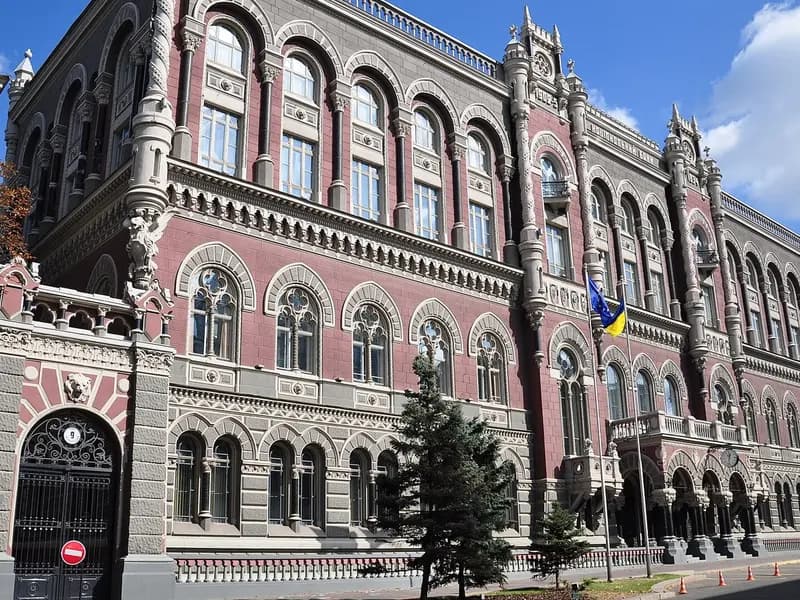
Ukraine's Anti-Corruption Bureau Searches the National Bank, and Governor Pyshnyi Says He Is Staying
Oct 22, 2026/2 min read
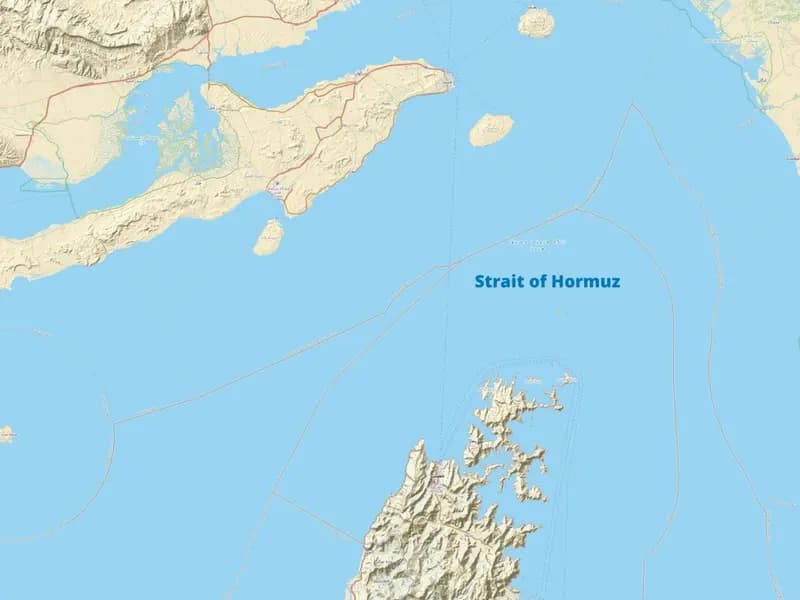
Iran Says Hormuz Stays Shut Until Washington Accepts Its Seven-Day Plan, and Explosions Are Reported on Its Coast
Oct 22, 2026/2 min read
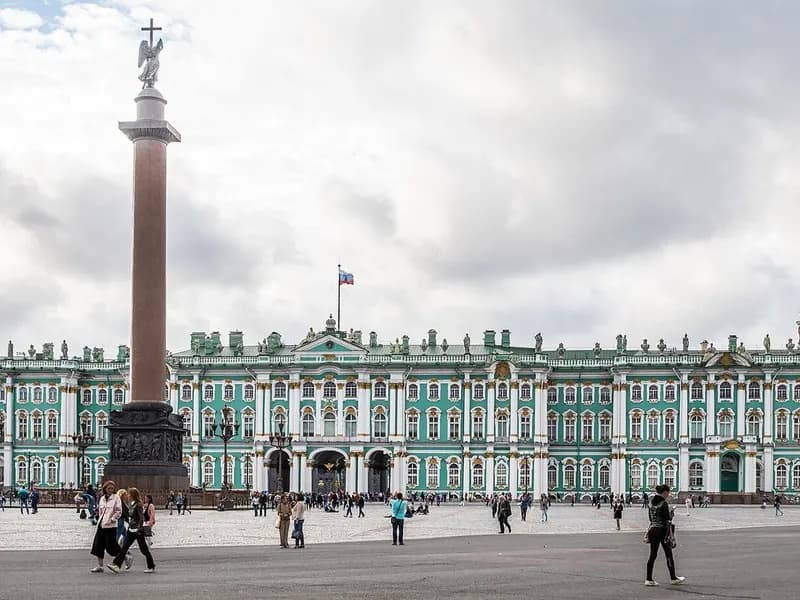
Putin Tells Witkoff He Will Negotiate in Principle as Russia Frees American Stephen Hubbard
Oct 22, 2026/2 min read

Two Killed at a Saudi Oil Field and One at Dammam Airport as the US Orders Embassy Staff Out of Saudi Arabia
Oct 22, 2026/2 min read