HHS Lets Pharmacies Compound Six Unapproved Peptides, Including BPC-157, Over FDA Scientists' Objections
Kennedy's HHS will not act against pharmacies that compound six peptides, from BPC-157 to Semax. It is not an approval, and FDA scientists found little human safety data.
Friday, October 30, 2026/3 min read
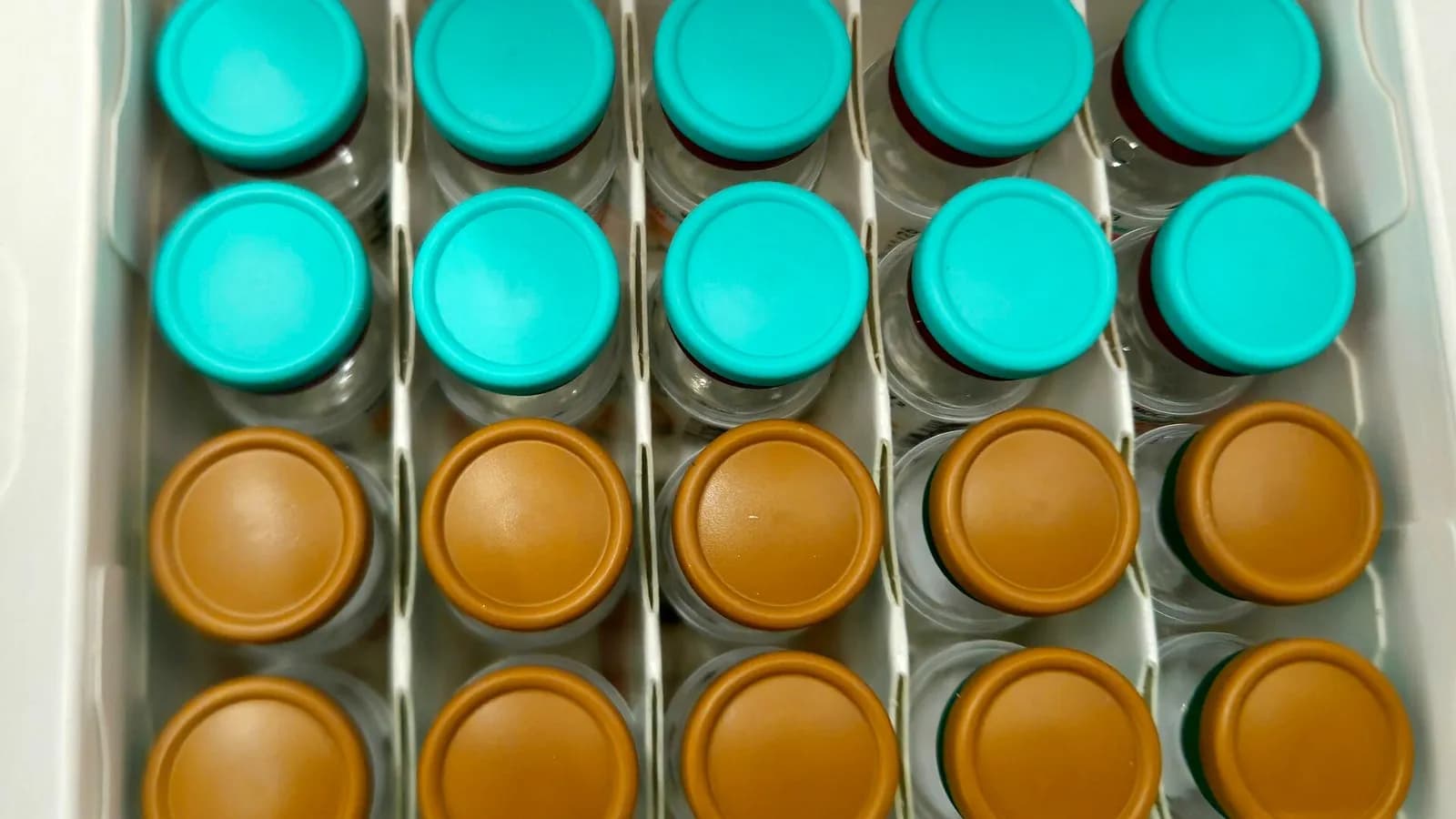
On Wednesday the federal government told compounding pharmacies, in effect, that they may make six peptides the Food and Drug Administration has never approved. The Department of Health and Human Services published what it calls an interim "enforcement discretion" policy covering BPC-157, TB-500, KPV, MOTS-c, Semax and epitalon, BioSpace reported. HHS says it does not intend to act against state-licensed pharmacies, federal facilities or licensed physicians that compound them.
It is a pause on enforcement, not a green light on safety. HHS itself states that the policy does not grant FDA approval and does not establish that any of the six is safe or effective, and that the notice was set for formal publication in the Federal Register today, according to Medical Daily.
What does the HHS peptide policy actually allow?
Compounded drugs are made by a pharmacy for an individual patient, usually on a prescription, and the FDA does not review them for safety, effectiveness or quality before they reach the market. Reason quoted the HHS notice making that point. The six peptides are not on the FDA's list of bulk substances that may be compounded, so until now a pharmacy making them risked FDA action.
HHS describes the move as a "controlled alternative" to the research-use-only peptides sold online by foreign manufacturers, which it says pose a safety risk to American patients. The peptides are promoted for injury recovery, chronic pain, sleep, weight loss and longevity.
What did FDA scientists and the advisory panel say?
The background is a split inside the government. In July the FDA's Pharmacy Compounding Advisory Committee recommended adding the six peptides to the list of compoundable bulk substances and rejected a seventh, emideltide, sometimes called DSIP. Medical Daily reports that the votes on BPC-157, KPV and TB-500 were each 8 to 6. The Alliance for Safe Biologic Medicines, which opposes the move, says the eight panelists added by Health Secretary Robert F. Kennedy Jr. made up the whole affirmative bloc on those votes. That is the group's characterisation, not a finding.
FDA career scientists had argued against the additions. According to Medical Daily, their review found five clinical studies of BPC-157 that were too short and small to show safety or effectiveness, and no human safety studies for KPV, TB-500, MOTS-c or epitalon. When the agency restricted several of these substances in 2023 it cited risks including allergic reactions, kidney damage and tumor growth. The World Anti-Doping Agency bans BPC-157 and TB-500 in sport.
Who supports it and who objects?
The Alliance for Pharmacy Compounding called the action an important step for patients, and its chief executive, Scott Brunner, argues it will draw people away from gray-market sellers. Opponents include the pharmaceutical lobby PhRMA, whose general counsel said HHS was telling the FDA to ignore the law, and the Partnership for Safe Medicines, which says the policy leaves Americans in a gray area over whether peptides are safe. The Alliance for Safe Biologic Medicines wrote on 26 October urging HHS to hold off.
What should patients and clinicians keep in mind?
This piece is reporting, not medical advice. Anyone considering an unapproved injectable, or any change to medication, should talk with a clinician who knows their history, and should treat a pharmacy's ability to compound a drug as separate from evidence that it works.
The next steps are procedural. The advisory vote is not binding, and Reason noted that the FDA had released no decision of its own on the list. Whether the agency follows the panel, and how pharmacies, insurers and state regulators respond to a policy that rests on forbearance rather than approval, is what to watch next.
Published in The Outspoken Digest
Editorial desk
Outspoken Digest Health DeskMedicine, public health and the research behind the headlines, read carefully.
Newsletter
The Digest, in your inbox
One edition, sent when it is ready. No noise, and your address is never passed on.
Read Next
More Health →
Lilly's Retatrutide Beat Ozempic 2 mg on Blood Sugar and Weight in an 80-Week Diabetes Trial
Oct 29, 2026/2 min read

About 75 Percent of NFL Players Who Died in 2008 to 2023 Had CTE, a Bias-Adjusted Estimate Suggests
Oct 28, 2026/3 min read
Adding Tarlatamab to Durvalumab Maintenance Lifted Median Survival to 21.1 Months in Small Cell Lung Cancer
Oct 27, 2026/2 min read
ACOG's New Menopause Guideline Backs Hormone Therapy, Adds Non-Hormonal Drugs and Rejects Soy and Herbal Supplements
Oct 26, 2026/3 min read