Hormuz Ship Attacks Hit a Weekly Record as Iran Says a Supertanker Struck a Mine
Ten vessels were attacked in a week, the most since the war began in February, while a tanker was hit by a grenade off Saudi Arabia and Tehran claims a mine blast it has not proved.
Sunday, October 18, 2026/2 min read
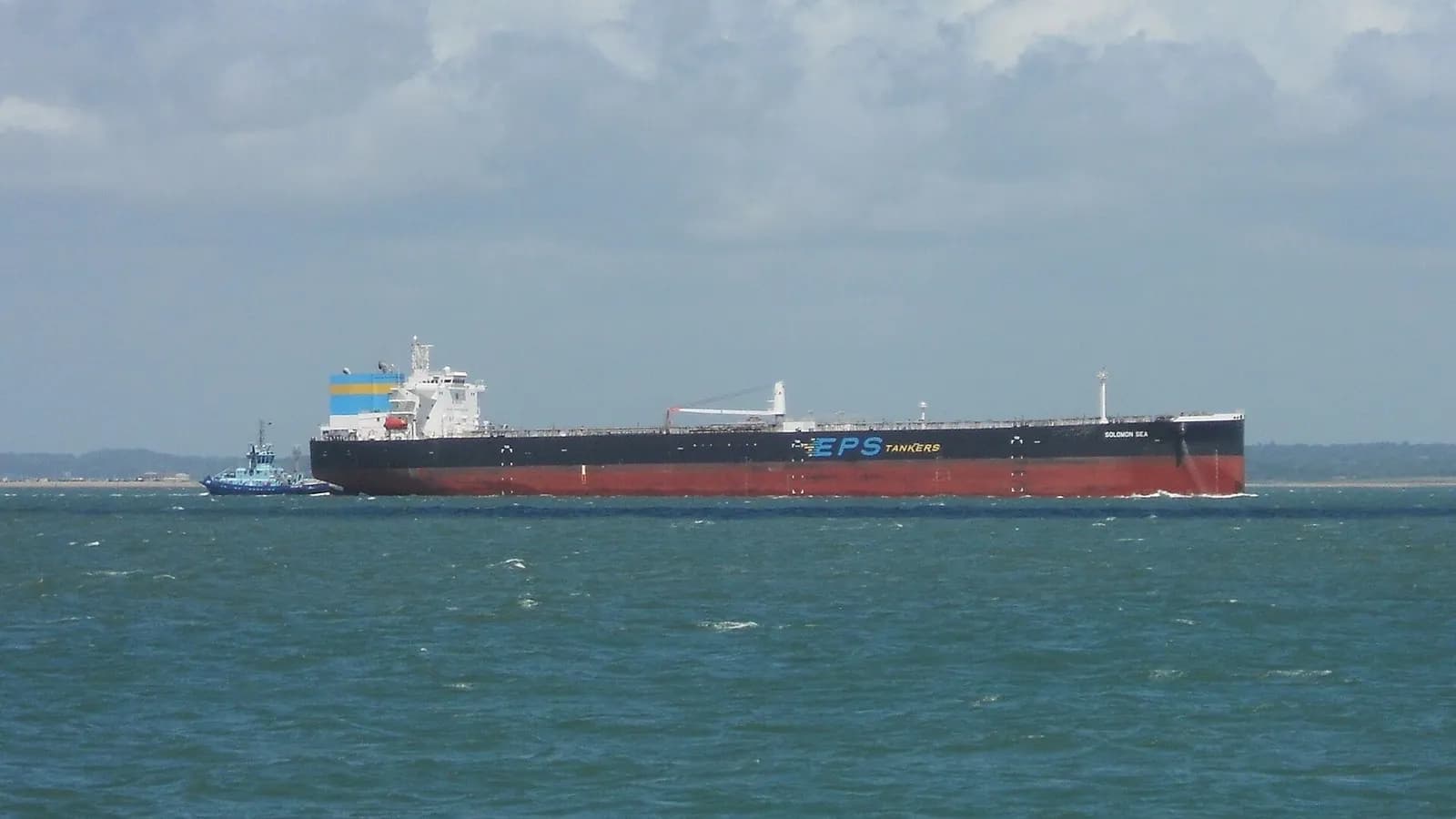
The shipping lanes around the Strait of Hormuz had their worst week of the war. The UK Maritime Trade Operations centre, known as UKMTO, counted at least 10 vessels attacked in seven days, a weekly high since the conflict began in February, according to CBS News.
Twenty-three attacks have now been logged since the start of October, nearly double the usual pace. UKMTO also warned it is struggling to report the true number, because most ships now refuse to report incidents.
How bad are the attacks around Hormuz?
NBC News said on Saturday that attacks around the strait had surged to a record high, cutting oil flows, hurting markets and undermining Donald Trump's hopes of cheaper petrol before the midterm elections. Last week's toll included a sinking, and our earlier report on two cargo ships lost near the strait has the background.
Most attacks since early July have been off Oman, where the US military has been escorting at-risk vessels, CBS said. This week's incidents have crept west and north. On Friday a tanker was struck by an unknown projectile off Saudi Arabia, and its crew were evacuated safely. A second tanker was hit by a rocket-propelled grenade fired from a small boat off Al Jubayl, damaging its stern. The crew were reported safe.
Did a supertanker hit a mine?
On Saturday, Iran's Revolutionary Guards said a supertanker carrying more than two million barrels of crude exploded and caught fire after hitting a naval mine in the strait. The claim is hard to check. The TT news agency, in a report carried by Sweden Herald, said it has not been confirmed by other parties, and the Guards did not give a location.
The Guards also said the ship was crossing illegally with US support after switching off its trackers. Those are Iranian assertions. Separately, Iran's navy said a tanker caught fire in a prohibited area in the Gulf of Oman on Friday after turning off its tracking systems.
Is the Gulf war widening?
The shipping attacks sit beside a hotter front in the Red Sea and Arabian Peninsula. CBS counts about 20 deaths from Houthi attacks on Saudi Arabia over several weeks, including the 13 killed at Riyadh airport that we reported in our earlier coverage. On Saturday Saudi forces intercepted ballistic missiles and drones, including over Riyadh, and Iran denied involvement in the Houthi attacks while offering to mediate, a role Yemen's foreign minister rejected.
What does it mean for oil and shipping?
Brent crude closed Friday at $109.86 a barrel, up 3.7 percent, according to Dimsum Daily's market report. Every new strike adds insurance cost and pushes more captains to go dark, which in turn makes the attack count harder to trust.
For now the pattern is clear even if the numbers are not. More ships are being hit, more crews are staying quiet, and the strikes are spreading along the Gulf coast of Saudi Arabia. The next UKMTO weekly tally will show whether this was a peak or a new baseline.
Published in The Outspoken Digest
Editorial desk
Outspoken Digest News DeskReports for The Outspoken Digest across Latest Trends, Sports, Nutrition, Crypto.
Newsletter
The Digest, in your inbox
One edition, sent when it is ready. No noise, and your address is never passed on.
Read Next
More Latest Trends →
Lapid Says He Does Not Trust Netanyahu Not to Strike Iran Before Israel's 27 October Election
Oct 18, 2026/2 min read

Trump Waives New Russia Sanctions and Tariffs Two Days Before They Were Due, the Second Waiver in Two Weeks
Oct 18, 2026/2 min read

Roughly Half a Million March Across France as Student Anger Over Schools Merges With Fuel Price Fury
Oct 18, 2026/2 min read

Czech Senate Runoff Leaves Babiš's ANO Without a Single Seat as STAN and ODS Keep the Opposition in Charge
Oct 17, 2026/2 min read