Personalized mRNA Melanoma Vaccine Plus Keytruda Cut Recurrence or Death Risk 42 Percent in Phase 3 Trial
Detailed INTerpath-001 data from Merck and Moderna show the individualized vaccine lowered recurrence risk in resected melanoma, but only after six months, and overall survival is not yet mature.
Sunday, October 25, 2026/3 min read
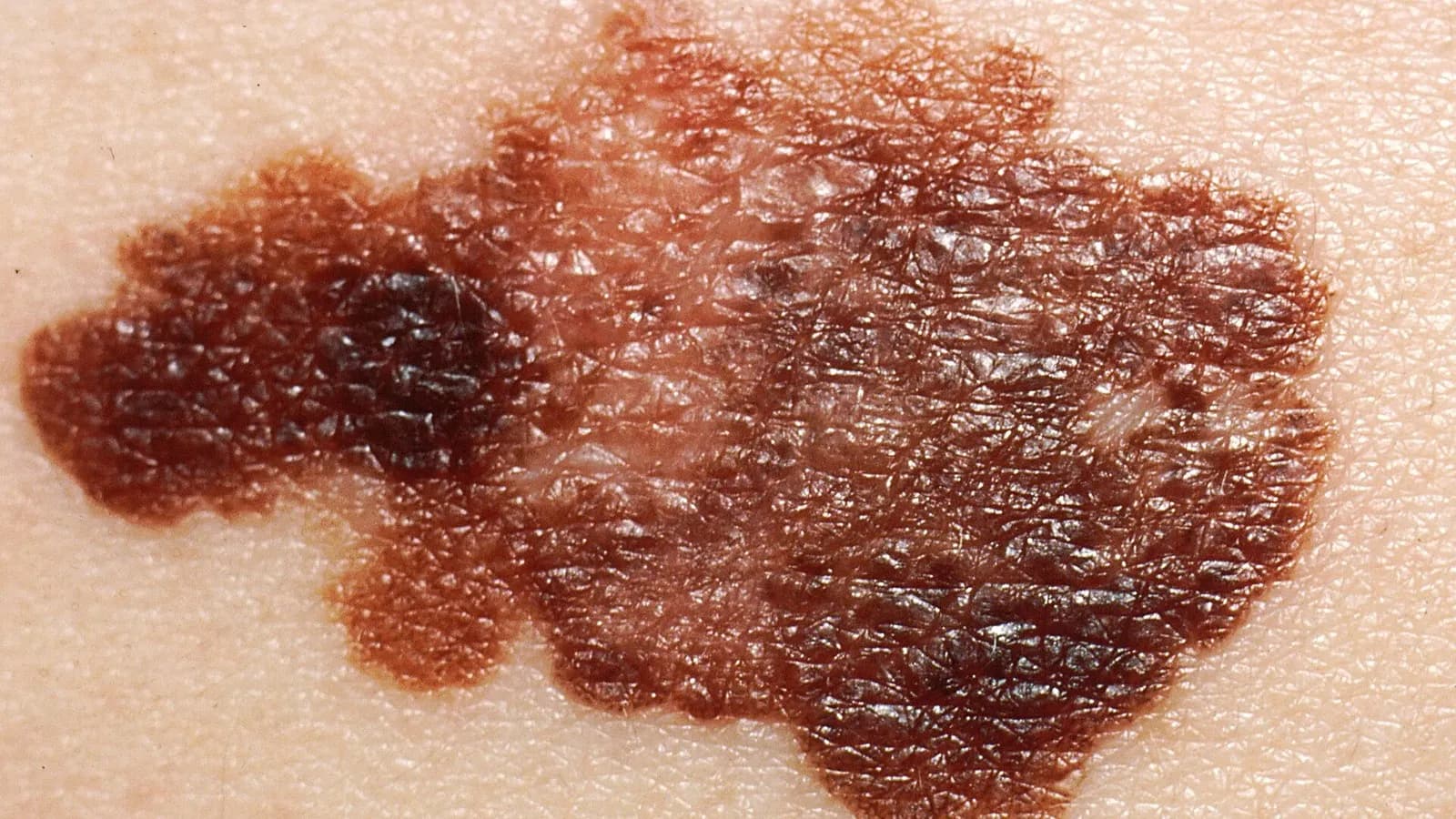
A cancer vaccine built from each patient's own tumour has now cleared a phase 3 trial, and the full numbers are on the table. At the European Society for Medical Oncology congress, Merck and Moderna presented detailed results from INTerpath-001, which tested the individualized mRNA therapy intismeran autogene plus the immunotherapy pembrolizumab (Keytruda) after surgery for high-risk melanoma. The data were released on 22 October for presentation at ESMO on Saturday, CancerNetwork reported, and have been accepted by The New England Journal of Medicine.
The headline is a 42 percent lower risk of recurrence or death. The caveats are just as important, and they are the reason this is a careful result and not a cure.
What does the INTerpath-001 trial show?
The trial enrolled 1,137 patients with completely resected stage IIB to IV cutaneous melanoma, randomized two to one to intismeran plus pembrolizumab or placebo plus pembrolizumab, according to Merck's release. After a median follow-up of 24.6 months, recurrence-free survival improved with a hazard ratio of 0.58 (95% CI 0.45 to 0.75; p below 0.001). Two-year recurrence-free survival was 82.2 percent with the combination against 70.0 percent with pembrolizumab alone.
The risk of distant metastasis or death fell by 38 percent (hazard ratio 0.62), and two-year distant-metastasis-free survival was 88.5 percent against 80.2 percent. Median survival without recurrence was not reached in either arm.
Why does the first six months matter?
The benefit was not there early. In the first six months the two arms looked the same, with a recurrence hazard ratio of 0.99. In a pre-specified analysis after six months, the ratio was 0.42. That pattern fits a treatment that takes time to train the immune system, but it also means the headline figure averages a flat start with a stronger finish. Overall survival data are immature, and the companies describe only a favourable trend.
How the therapy works matters too. It is made from each patient's tumour sample and encodes up to 34 patient-specific neoantigens, according to AJMC. An earlier phase 2b study, KEYNOTE-942, reported a hazard ratio of 0.51 at five years, OncLive said.
What are the side effects?
Treatment-related adverse events occurred in 95.8 percent of patients on the combination and 90.0 percent on pembrolizumab alone. Grade 3 to 5 events were close to level, at 14.2 percent against 13.4 percent. The most common events with the combination were fever (52.2 percent), injection-site pain (51.0 percent) and fatigue (38.5 percent). The companies report no new safety signals. The comparison is between two active regimens, not against no treatment.
Who can get it, and what comes next?
Nobody outside a trial can, for now. The therapy is not approved, and the companies say only that they are engaging with regulators. No filing date has been given. Merck and Moderna are testing it in nine phase 2 and 3 trials across tumour types, including three phase 3 trials in lung cancer, AJMC said, but those results are not in. Analysts quoted by AJMC also questioned its value compared with neoadjuvant immunotherapy, which may offer similar results at lower cost.
This article is reporting, not medical advice. Anyone with melanoma, or at risk of it, should talk to an oncologist who knows their stage, treatment history and other conditions before drawing conclusions about vaccines or immunotherapy. Decisions about treatment belong with that clinician and the patient.
The next milestones are the New England Journal paper, which will show the full data, longer follow-up on survival, and a regulatory decision. Until then, the fair reading is a strong interim result in a high-risk group, with questions about duration and cost still open.
Published in The Outspoken Digest
Editorial desk
Outspoken Digest Health DeskMedicine, public health and the research behind the headlines, read carefully.
Newsletter
The Digest, in your inbox
One edition, sent when it is ready. No noise, and your address is never passed on.
Read Next
More Health →
ACOG's New Menopause Guideline Backs Hormone Therapy, Adds Non-Hormonal Drugs and Rejects Soy and Herbal Supplements
Oct 26, 2026/3 min read

Heart Failure and Heart Attack Admissions Rose Faster Where US Cannabis Was Legalised, Study Reports
Oct 23, 2026/2 min read
FDA Approves Hibsago, the First Antisense Drug for Chronic Hepatitis B, With a Boxed Warning
Oct 22, 2026/2 min read

A Night-Owl Subtype of Depression Appears to Start Earlier, Hit Harder and Respond Worse to Common Antidepressants
Oct 21, 2026/2 min read