Iran Says Hormuz Stays Shut Until Washington Accepts Its Seven-Day Plan, and Explosions Are Reported on Its Coast
Foreign Minister Araghchi says indirect talks via Pakistan and Qatar continue, but the strait stays closed; late Wednesday state media reported unexplained blasts at Sirik, overlooking the strait.
Thursday, October 22, 2026/2 min read
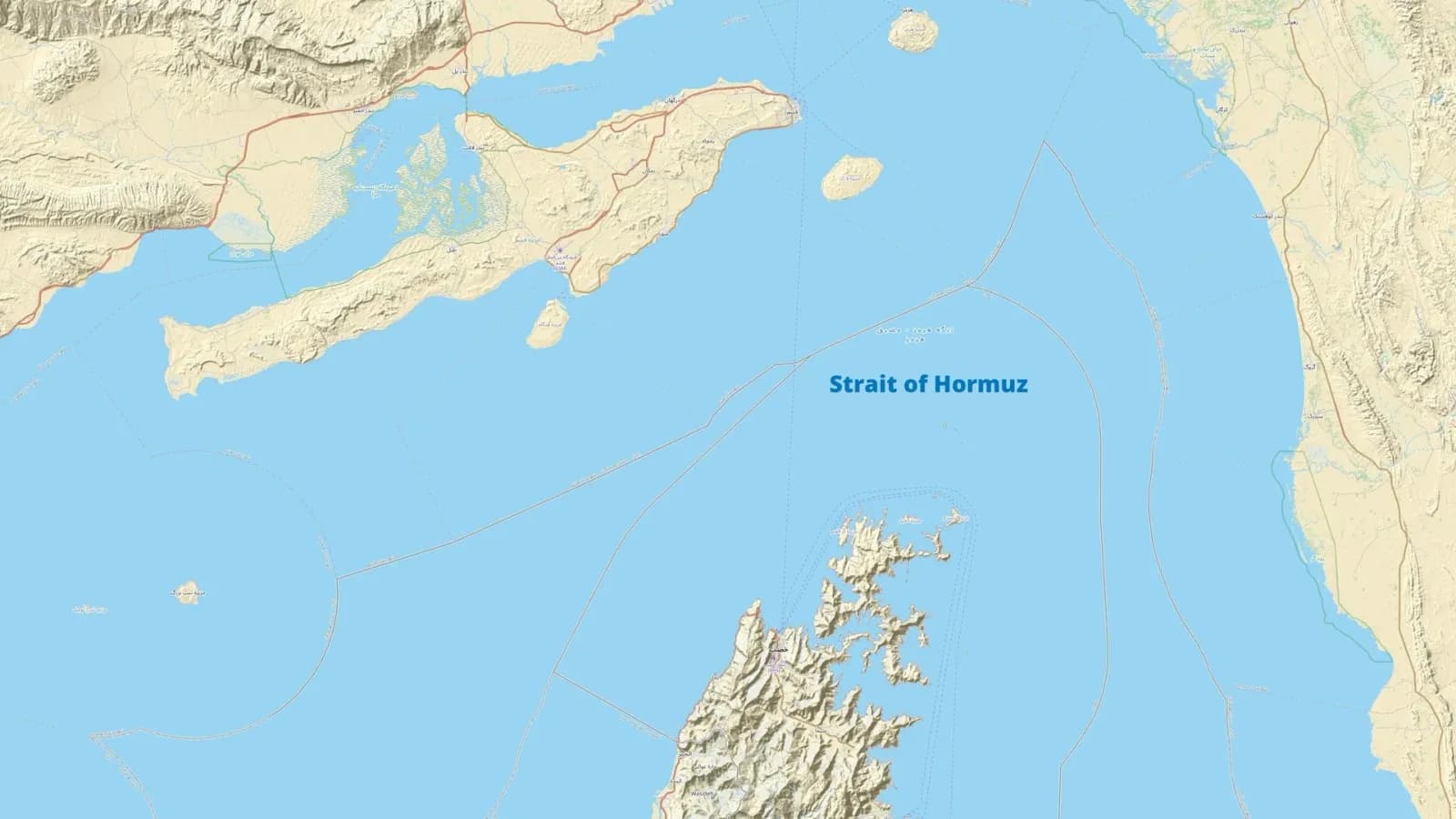
Iran's message on the Strait of Hormuz did not soften this week, and then the coast near it went loud. Foreign Minister Abbas Araghchi said on Tuesday that the waterway stays closed unless Washington accepts Tehran's seven-day plan, and late on Wednesday Iranian state media reported several explosions in Hormozgan province, Arab News reported citing AFP.
No cause has been given for the blasts. The shipping side of the crisis was the subject of our report on the record week of ship attacks; this is the diplomatic and military follow-up.
What is Iran's seven-day plan for Hormuz?
Araghchi said Iran and the US remain in indirect talks through Pakistan and Qatar, and that Iran has proposed a seven-day sequence in which the strait would fully reopen on the sixth day, according to Gulf News. He wants Washington first to meet its commitments under what he called the Islamabad memorandum. He claimed the US had agreed to the conditions but wanted extra provisions; the report carried no US response.
Security chief Mohsen Rezaei was firmer, saying not a single gram of enriched uranium would leave Iran and that there would be no talks until Washington takes trust-building steps. A separate Gulf News report said Parliament Speaker Mohammad Bagher Ghalibaf, Iran's chief negotiator, told visiting Pakistani army chief Asim Munir that Tehran had "nothing new to say." Iran's conditions include a regional ceasefire, unfrozen assets and lifted oil sanctions.
What were the explosions in Hormozgan?
IRNA said the blasts were heard "a few minutes ago" in the Karpan area of Sirik, which overlooks the strait. It did not say whether the area was attacked or whether missiles were launched from it, and local sources had not described the cause. No casualties were reported. Arab News called them the first reported explosions in the area this month, during a relatively quiet stretch of a war that began in late February.
What did Netanyahu say?
At an election rally in Dimona on Wednesday, Benjamin Netanyahu said the only way to end the Iranian threat is to topple the government in Tehran and that he had directed Israel's military, Mossad and other security branches accordingly, without a timeline, Gulf News said. Israelis vote on 27 October.
The talks sit against a grim backdrop. The UK Maritime Trade Operations agency counted at least 10 vessels attacked in or near the strait in the week to 18 October, the most since the war began in February, CBS News reported. Iran says it wants the US to end its naval blockade of Iranian ports, lift oil sanctions and halt fighting on all fronts, and Trump said last week the US would not attack Iran before the American midterm elections.
The coming days will show whether the Sirik blasts were an attack, a test or an accident, and whether the Pakistani and Qatari channels produce a response to the seven-day plan before the Israeli vote.
Published in The Outspoken Digest
Editorial desk
Outspoken Digest News DeskReports for The Outspoken Digest across Latest Trends, Sports, Nutrition, Crypto.
Newsletter
The Digest, in your inbox
One edition, sent when it is ready. No noise, and your address is never passed on.
Read Next
More Latest Trends →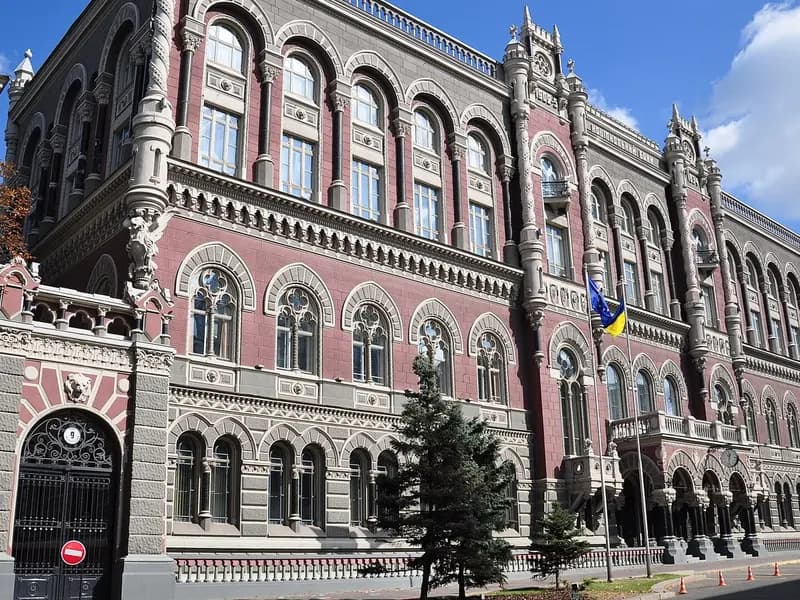
Ukraine's Anti-Corruption Bureau Searches the National Bank, and Governor Pyshnyi Says He Is Staying
Oct 22, 2026/2 min read
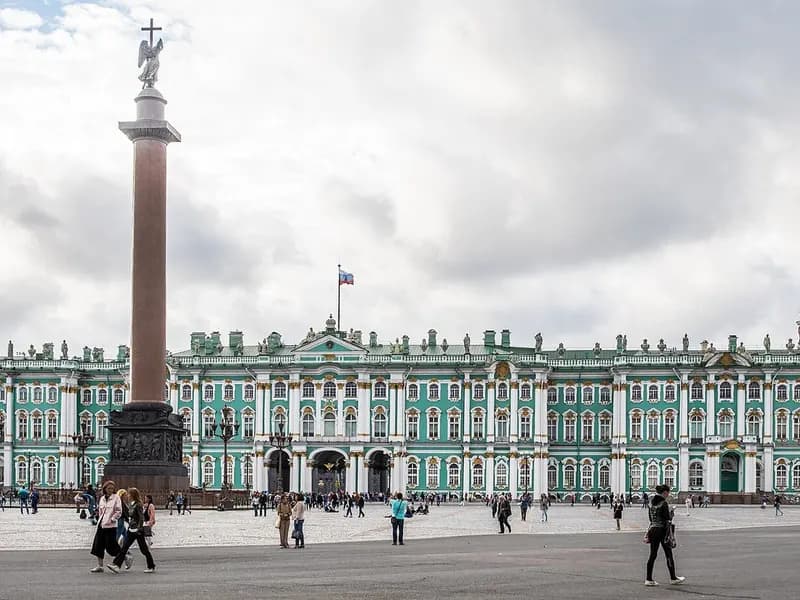
Putin Tells Witkoff He Will Negotiate in Principle as Russia Frees American Stephen Hubbard
Oct 22, 2026/2 min read

Two Killed at a Saudi Oil Field and One at Dammam Airport as the US Orders Embassy Staff Out of Saudi Arabia
Oct 22, 2026/2 min read
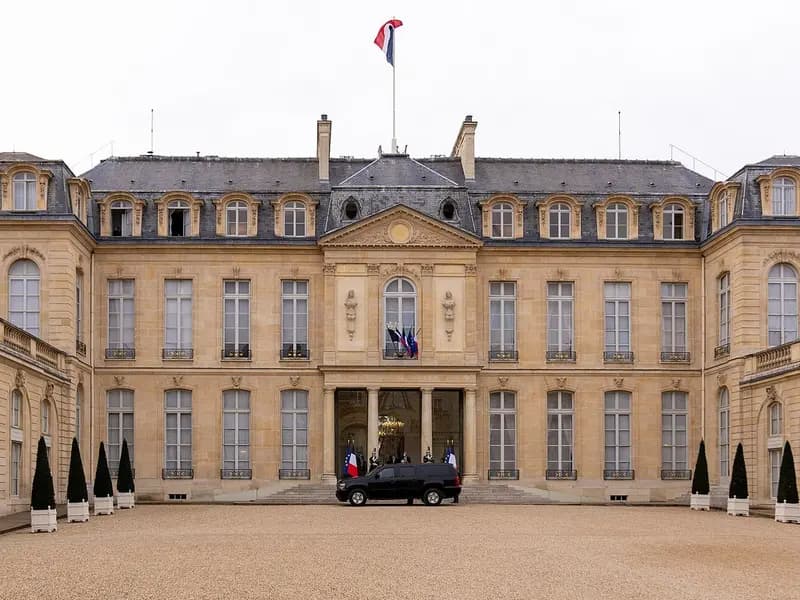
France Lines Up an Extra 200,000 Tonnes of Gulf Diesel a Month as Macron Tours the Gulf
Oct 21, 2026/2 min read