Japan's Tourism Boom: The Weak Yen and the Overtourism Backlash
A record 36.8 million visitors and a currency stuck near 34-year lows have made Japan a bargain. Not everyone in Japan is thrilled about it.
Wednesday, January 22, 2025/3 min read
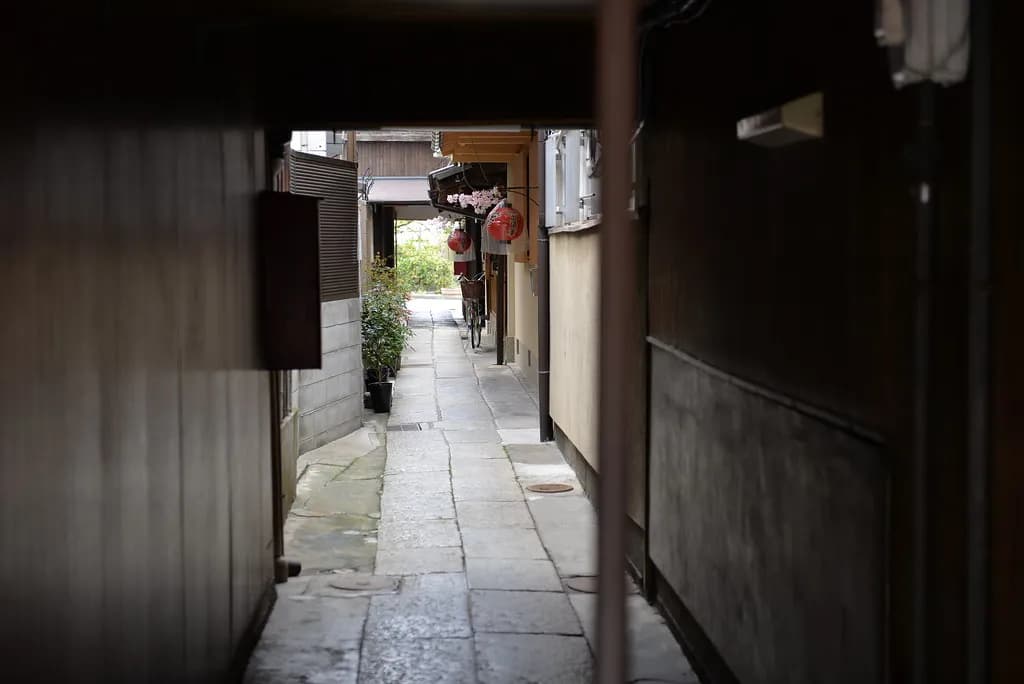
Walk through Kyoto's Gion district on a weekday afternoon and you will understand the two Japans that now coexist there. One is the postcard version, narrow lanes, wooden facades, the occasional glimpse of a geiko hurrying to an appointment. The other is a crush of visitors filming her anyway, phones raised, blocking the lane. Both are true. Both are why 2024 became the year Japan had to publicly reckon with its own popularity.
The numbers explain the crush. Japan welcomed more than 36.8 million visitors in 2024, decisively surpassing the pre-pandemic record of nearly 32 million set in 2019, and foreign visitor spending surged to 8.14 trillion yen, about $51.78 billion, a 53 percent jump from the year before, according to Al Jazeera's reporting on the year-end tourism data.
Why is the weak yen driving so much of this
The currency did most of the heavy lifting. The yen spent much of 2024 hovering near 34-year lows against the dollar, at one point touching a 40-year low, which made everything from ryokan stays to omakase dinners feel steeply discounted to anyone earning in dollars, euros or pounds. That currency gap is the single biggest reason arrivals kept climbing through a year when global travel costs were rising almost everywhere else.
What is actually driving the overtourism complaints
The backlash is not abstract. Traffic jams, litter and crowding at famous sites became a recurring local news story through 2024, and Skift tracked the friction building well before the final tally came in. Kyoto responded by moving to raise its hotel lodging tax to as much as 10,000 yen, roughly $63, per night at the top end, an explicit attempt to use price as a crowd-control lever rather than an outright cap.
How Mount Fuji became the test case for visitor limits
Nowhere illustrates the shift better than Mount Fuji. For the 2024 climbing season, authorities imposed a mandatory 2,000 yen (about $14) entry fee on the popular Yoshida Trail and capped daily climbers at 4,000, a response to years of overcrowding, litter and climbers attempting the ascent without proper gear or acclimatization. It marked the first time Japan's most iconic peak operated under a hard visitor ceiling rather than an honor-system donation box.
Is the boom actually good for Japan's economy
Almost unambiguously, yes, in pure economic terms. Tourism has become one of the few reliably growing pillars of a Japanese economy otherwise wrestling with a shrinking workforce and stagnant wages, and the spending surge is flowing into regional economies well beyond Tokyo and Osaka. The tension is not whether the boom helps, it is who absorbs the cost of hosting it: small business owners in Kyoto's historic districts benefit from the spending but also live with the crowding, while residents of quieter neighborhoods increasingly used as tourist shortcuts get little of the upside.
What happens if the yen recovers
A meaningfully stronger yen would cool arrivals somewhat, but few in the industry expect a sharp reversal. Japan's appeal was building well before the currency became this cheap, and the infrastructure investment now underway, from expanded rail capacity to new visitor-management systems at shrines and trailheads, suggests officials are planning for sustained high volume rather than betting on a currency-driven bubble popping.
For now, the calculus for anyone booking a Japan trip is straightforward: the exchange rate is doing you a favor, but the crowds and the new fees are the price the destination is charging back. Expect more of both, cheaper yen and tighter visitor rules, to define Japan travel through the rest of the decade.
Published in The Outspoken Digest
Editorial desk
Outspoken Digest Travel DeskDestinations, airlines, borders and the practicalities of getting there.
Newsletter
The Digest, in your inbox
One edition, sent when it is ready. No noise, and your address is never passed on.
Read Next
More Travel →
Hurricane Isaias Closes Gulf Coast Airports and Clears Alabama's Beaches as Airlines Waive Change Fees
Oct 8, 2026/3 min read

Oktoberfest 2026 Ended With a Record 7.4 Million Visitors, Beating the Previous High by 200,000
Oct 4, 2026/2 min read
Hawaii's 90-Foot Hōlei Sea Arch, About 550 Years Old, Collapsed Into the Pacific During Storm Nolo
Oct 3, 2026/2 min read