Jet Lag: What Light, Meals and Melatonin Can Do, and What Only Time Can
The body clock shifts about an hour a day on its own. Bright light at the right time moves it faster, light at the wrong time moves it backwards, and most of what is sold for jet lag does neither.
Thursday, June 22, 2023/3 min read
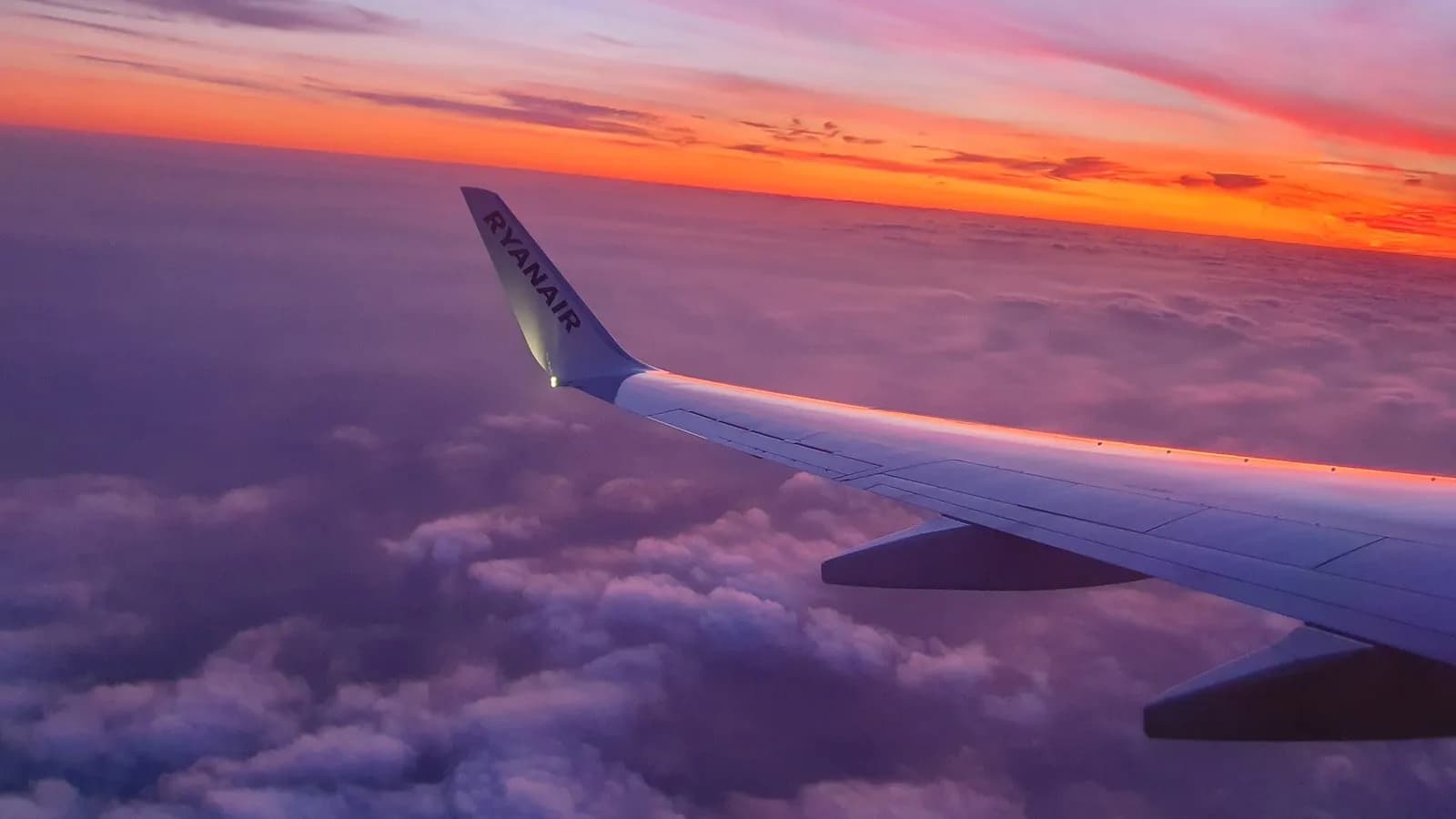
Jet lag is not tiredness. Tiredness is what you feel after a night flight; jet lag is what you feel three days later, wide awake at 3 a.m. and asleep at lunch, because the clock in your brain is still keeping the time of the place you left. The clock is a cluster of cells above the optic nerves that runs on a cycle slightly longer than 24 hours and is reset every day by light. Move it five time zones and it will drift back into line on its own, at roughly an hour a day, which is why a week in New York from the Gulf feels like a week of gradually improving mornings. Everything that works for jet lag works by speeding that drift. Nothing skips it.
Direction matters
Flying east is harder than flying west. West means staying up later, which the clock does willingly because its natural cycle is already long. East means going to sleep earlier than the body wants, which it resists. The NHS guidance puts recovery at about a day per time zone eastbound and somewhat less westbound, and that matches most travellers' experience: Dubai to London is a shrug, London to Dubai is a week.
Light
Light is the lever. Bright light in the hours after your body's temperature minimum, which is roughly two hours before your usual wake time, pulls the clock earlier; light in the hours before it pushes the clock later. Flying east, you want morning light at the destination and should avoid bright light in the evening. Flying west, the opposite: seek afternoon and evening light, keep the mornings dim. The complication is that "morning" means your body's morning, not the destination's, for the first day or two. After a big eastward jump, say eight or more zones, morning light at the destination can land before your temperature minimum and push you the wrong way; on those trips, stay in shade until mid-morning for the first two days, then seek light. Sunglasses are a jet lag tool.
Meals and caffeine
Eating at destination mealtimes helps, mostly because it anchors the day. The peripheral clocks in the liver and gut respond to food, and a large breakfast at local time is a signal the brain clock eventually follows. Caffeine is useful in the destination morning and harmful within eight hours of the destination bedtime; that rule alone fixes a lot of second nights. Alcohol on the plane does nothing for the clock and fragments the sleep you do get.
Melatonin
Melatonin is the hormone the clock releases at dusk, and taken as a tablet it works as a weak dusk signal. The evidence supports a small dose, half a milligram to three, taken at the destination bedtime for the first few nights after an eastward flight; the effect is modest and reliable. It is prescription-only in Britain and over the counter in the United States and Gulf pharmacies, and the products vary in what they contain. It is not a sleeping pill and does not work like one. Sleeping pills themselves will knock you out at the right hour without moving the clock, which is a reasonable bargain for a two-night trip and a poor one for a fortnight.
The honest plan
Shift your bedtime an hour a day toward the destination for two or three days before a big eastward trip, if life allows. Set your watch to destination time when you board. Sleep on the plane only if it is night at the destination. On arrival, get outside at the right time for the direction you flew, eat at local hours, keep caffeine to the morning, and expect nothing from the first two nights. Our guide to sleeping through a Gulf summer covers the bedroom side, which matters here too. The rest is patience, and the knowledge that it is the clock, not you, that is slow.
Published in The Outspoken Digest
Editorial desk
Outspoken Digest Health DeskMedicine, public health and the research behind the headlines, read carefully.
Newsletter
The Digest, in your inbox
One edition, sent when it is ready. No noise, and your address is never passed on.
Read Next
More Travel →
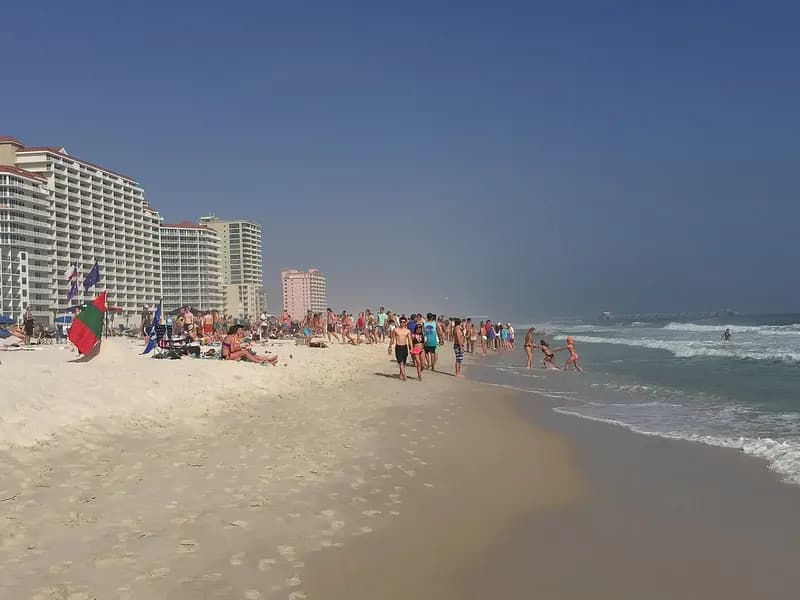
Hurricane Isaias Closes Gulf Coast Airports and Clears Alabama's Beaches as Airlines Waive Change Fees
Oct 8, 2026/3 min read

Oktoberfest 2026 Ended With a Record 7.4 Million Visitors, Beating the Previous High by 200,000
Oct 4, 2026/2 min read
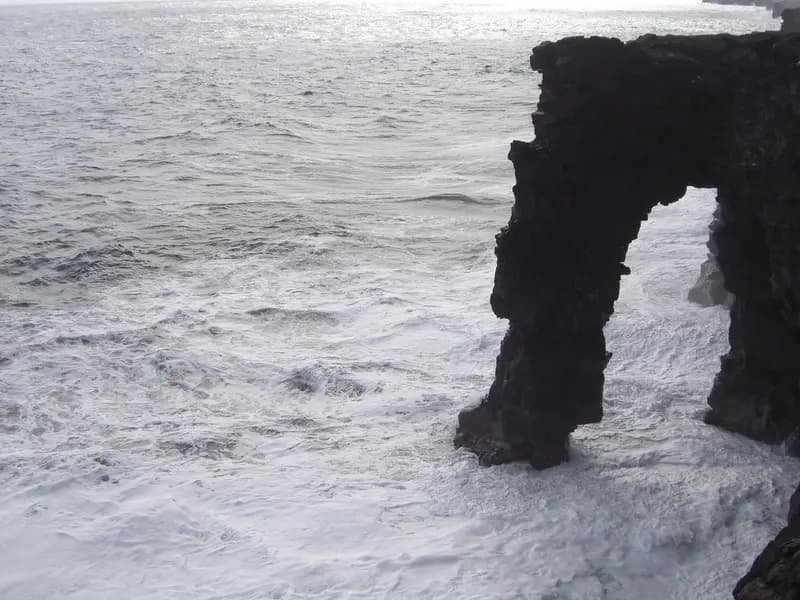
Hawaii's 90-Foot Hōlei Sea Arch, About 550 Years Old, Collapsed Into the Pacific During Storm Nolo
Oct 3, 2026/2 min read