Sleeping Through a Gulf Summer: Why Heat Wrecks Sleep and What Helps
Falling asleep requires your core temperature to drop, which is difficult when the night does not cool. The fixes that work target body temperature rather than room temperature, and cost very little.
Thursday, August 13, 2026/3 min read
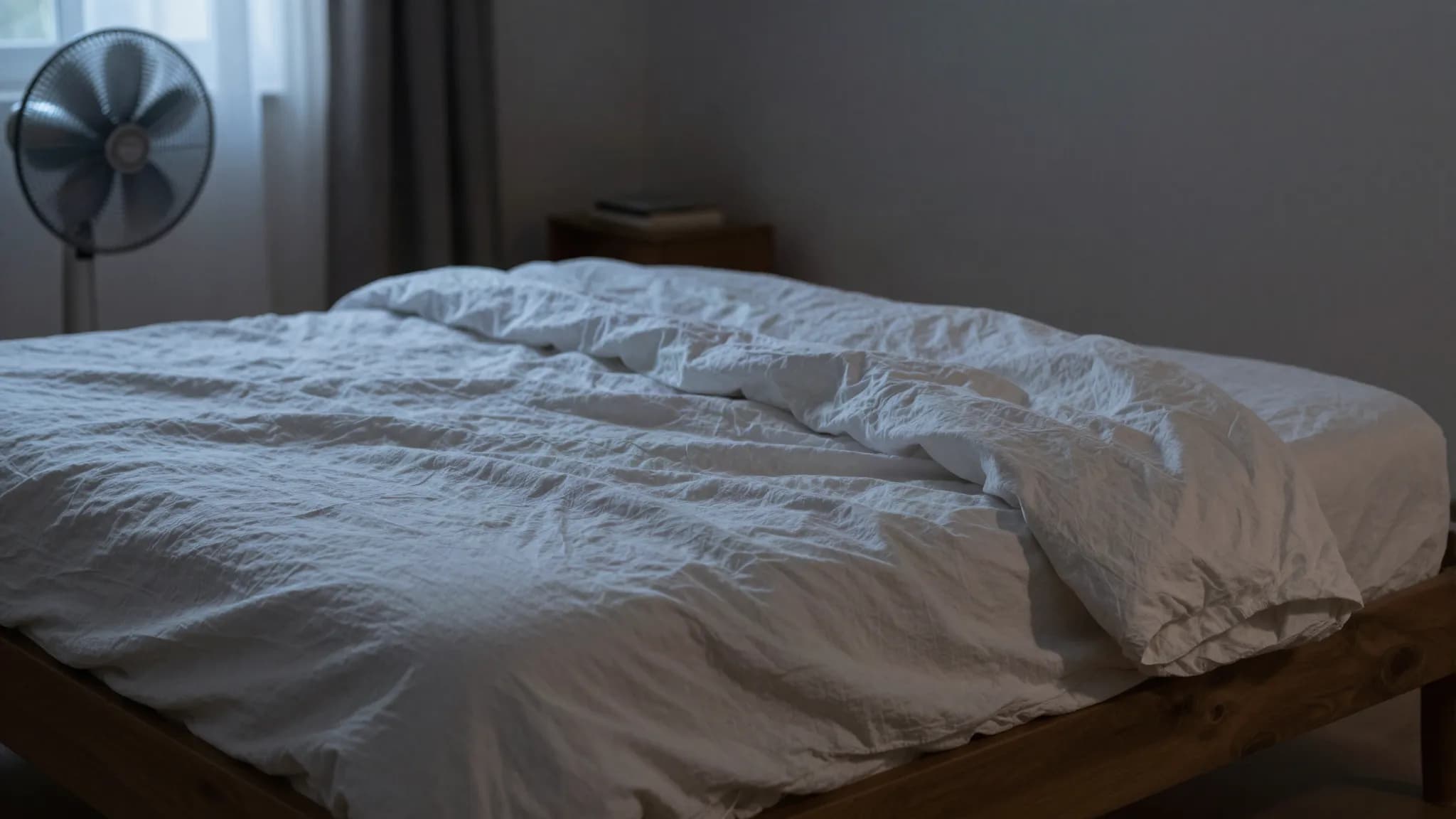
Sleep gets measurably worse in summer here, and people usually blame the air conditioning, the light, or their phone. The main cause is more basic than any of those.
Sleep onset requires cooling
Core body temperature follows a daily rhythm, peaking in the early evening and falling through the night to a low in the early hours.
That fall is not a side effect of sleeping. It is part of the trigger. The body sheds heat through the skin, especially the hands and feet, and the resulting drop in core temperature is one of the signals that initiates sleep.
When the environment is warm, the gradient the body needs to dump heat into is too small. Core temperature does not fall on schedule, sleep onset is delayed, and the deep slow-wave sleep that dominates the first half of the night is reduced.
Nights that stay above roughly 25C are enough to disturb this in most people. Gulf summer nights routinely sit well above that outdoors.
Cool the body, not just the room
This is the reframe that makes the practical advice make sense.
A warm shower before bed. Counterintuitive and well supported. Warming the skin dilates peripheral blood vessels, which then dump heat efficiently once you get out, accelerating the core temperature drop. A shower ninety minutes or so before bed works better than a cold one.
Cool the extremities. Hands, feet and face have dense networks of vessels near the surface that exist to shed heat. Uncovered feet, or a cool damp cloth on the wrists or neck, does more per unit effort than lowering the thermostat further.
Airflow beats cold air. Moving air over skin allows evaporative cooling, so a fan combined with a moderate air conditioning setting is more effective and far cheaper than a very cold room with still air.
Getting the air conditioning right
Colder is not better. Somewhere around 24 to 26C is the range most sleep guidance converges on, and going much below that produces dry airways, a sore throat and the familiar experience of waking cold under a duvet at four in the morning.
Dehumidifying matters more than temperature when humidity is high, because sweat cannot evaporate from skin in saturated air. Many units have a dry mode that will make a humid 26C feel considerably better than a damp 22C.
Do not point the airflow directly at the bed. And clean the filters, because a clogged unit runs colder and dirtier at once.
Bedding, which people rarely change seasonally
Cotton and linen breathe and move moisture. Polyester and most microfibre do not, and they are what a lot of inexpensive bedding is made from.
Linen sheets are worth the cost in this climate specifically. Memory foam mattresses retain heat noticeably; a cotton mattress protector or a thin topper helps.
Lighter and fewer layers, obviously, but keep something over the torso, because most people wake if the core is uncovered.
The habits that matter more in heat
Hydration through the day rather than a lot of water at bedtime, which just wakes you.
Alcohol is worse in summer than in winter. It fragments sleep in the second half of the night and interferes with temperature regulation at the same time.
Exercise is fine and beneficial, but intense training in the two or three hours before bed raises core temperature at exactly the wrong point. In this climate that usually means training early morning or well after sunset, which is also the safer choice for heat illness.
Light discipline still applies. Bright indoor light late delays melatonin regardless of temperature.
When it is not the heat
Worth separating out. Heat delays sleep onset and lightens sleep. It does not typically cause loud snoring, witnessed pauses in breathing, or waking unrefreshed after eight full hours.
Those point at sleep apnoea, which is common, frequently undiagnosed, and strongly associated with daytime fatigue and cardiovascular risk. If that pattern sounds familiar, it warrants a doctor rather than a better fan.
Persistent insomnia lasting more than a few weeks also deserves proper attention, and the first-line treatment with the best evidence is cognitive behavioural therapy for insomnia rather than medication. The wider market for sleep gadgets is worth approaching sceptically: tracking sleep is not the same as improving it, and for some people the tracking itself becomes the anxiety.
This article is reporting, not medical advice. Persistent sleep problems belong with a clinician who knows your history.
Published in The Outspoken Digest
Editorial desk
Outspoken Digest Health DeskMedicine, public health and the research behind the headlines, read carefully.
Newsletter
The Digest, in your inbox
One edition, sent when it is ready. No noise, and your address is never passed on.
Read Next
More Health →
Cochrane Review Finds Medical Cannabis Has No Clear Benefit for Insomnia, With Weak Evidence Either Way
Oct 13, 2026/2 min read

Lancet Commission Names 17 Threats to Global Health Through 2100, With Obesity the Largest by Burden
Oct 12, 2026/2 min read

FDA Approves Pritelivir for Herpes Lesions That Resist Standard Antivirals in Immunocompromised Adults
Oct 10, 2026/2 min read