Lilly's Retatrutide Beat Ozempic 2 mg on Blood Sugar and Weight in an 80-Week Diabetes Trial
Topline data from 1,298 adults with type 2 diabetes show a bigger A1C and weight drop than the semaglutide comparator, alongside more reports of an abnormal-sensation side effect and dropouts.
Thursday, October 29, 2026/2 min read
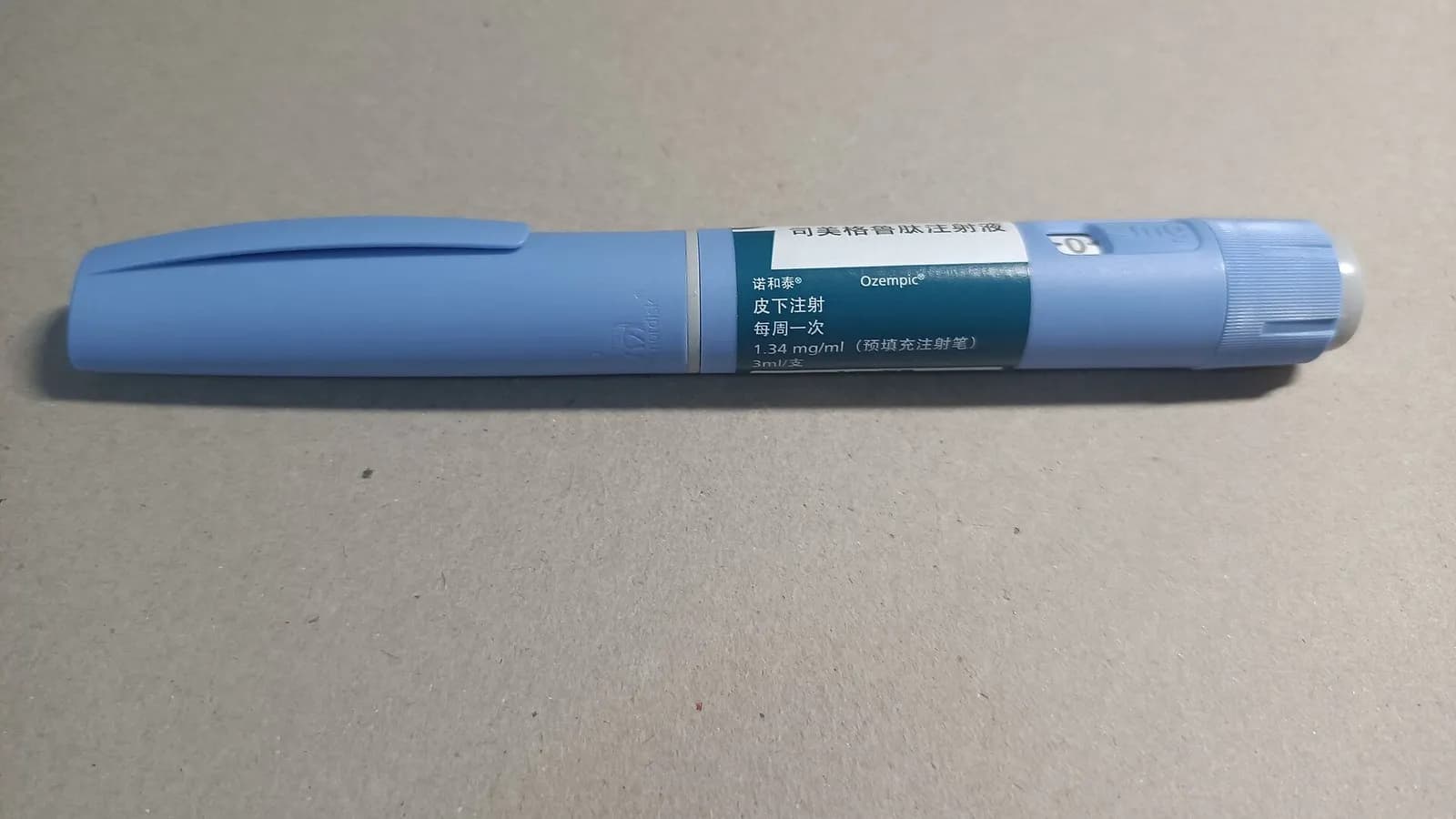
Eli Lilly said on Wednesday that its experimental drug retatrutide lowered blood sugar and body weight more than Novo Nordisk's Ozempic in a head-to-head diabetes trial. The Phase 3 study, TRANSCEND-T2D-2, enrolled 1,298 adults with type 2 diabetes that was not well controlled on metformin, with or without an SGLT2 inhibitor, according to Lilly's release, as published by BioSpace. Retatrutide is investigational and is not approved anywhere.
The comparison was Ozempic at 2 mg, its highest approved dose. Participants were randomised 2:2:1 to retatrutide 9 mg, retatrutide 12 mg or Ozempic, in an open-label design, meaning neither patients nor doctors were blinded, over 80 weeks. Retatrutide is a triple agonist that acts on the glucagon, GLP-1 and GIP receptors, Clinical Trials Arena notes.
What did retatrutide do to blood sugar and weight?
Starting from an average A1C of 8.3 percent and a weight of 102.4 kilograms, A1C fell by 2.2 percentage points on both retatrutide doses and by 1.8 points on Ozempic. Weight fell by 19.5 percent (20.1 kg) on 9 mg and 20.9 percent (21.5 kg) on 12 mg, against 9.4 percent (9.5 kg) on Ozempic. Lilly says the 9 mg dose met a non-inferiority test and beat Ozempic on A1C.
Those weight and A1C figures come from an analysis of participants who stayed on treatment, STAT reported, rather than everyone who enrolled. Lilly's Kenneth Custer said retatrutide, "if approved, could shift the treatment paradigm for people living with type 2 diabetes."
What side effects did the trial report?
Gastrointestinal effects were common on both drugs, and Lilly says most events were mild to moderate and usually resolved during treatment. Diarrhoea occurred in 28.3 percent on 9 mg and 32.7 percent on 12 mg, against 26.4 percent on Ozempic. Nausea was 21.2 and 23.8 percent versus 21.3 percent, and vomiting 10.2 and 15.0 percent versus 13.2 percent. Constipation was less frequent on retatrutide, at 14.2 and 13.1 percent versus 19.8 percent.
Two numbers point the other way. Dysesthesia, a side effect Lilly's release does not define, was reported by 4.8 and 6.5 percent of retatrutide patients versus 2.7 percent on Ozempic. And discontinuations because of adverse events were 4.8 percent on 9 mg and 7.9 percent on 12 mg, against 2.7 percent on Ozempic.
What the result does not yet show
This is a topline company announcement. Lilly says the detailed results will be presented at a future medical meeting and published in a peer-reviewed journal, and the release does not address questions such as muscle loss or what happens when treatment stops. The earlier TRIUMPH-1 obesity trial, Clinical Trials Arena notes, found a 28.3 percent weight loss at 80 weeks on the top dose against 2.2 percent on placebo.
This article is reporting on a trial result, not medical advice. Decisions about diabetes medication, switching drugs or stopping treatment belong with a clinician who knows your history, and retatrutide is not approved anywhere.
The next markers are the full data and a peer-reviewed paper, followed by whatever Lilly tells regulators. Until then, the safety and dropout figures will matter as much as the headline weight loss.
Published in The Outspoken Digest
Editorial desk
Outspoken Digest Health DeskMedicine, public health and the research behind the headlines, read carefully.
Newsletter
The Digest, in your inbox
One edition, sent when it is ready. No noise, and your address is never passed on.
Read Next
More Health →
About 75 Percent of NFL Players Who Died in 2008 to 2023 Had CTE, a Bias-Adjusted Estimate Suggests
Oct 28, 2026/3 min read
Adding Tarlatamab to Durvalumab Maintenance Lifted Median Survival to 21.1 Months in Small Cell Lung Cancer
Oct 27, 2026/2 min read
ACOG's New Menopause Guideline Backs Hormone Therapy, Adds Non-Hormonal Drugs and Rejects Soy and Herbal Supplements
Oct 26, 2026/3 min read

Personalized mRNA Melanoma Vaccine Plus Keytruda Cut Recurrence or Death Risk 42 Percent in Phase 3 Trial
Oct 25, 2026/3 min read