Sleep Economy: Tracking, Hacking, Buying Rest
The sleep industry hits $585 billion as Americans invest in mattresses, trackers, and supplements to optimize rest. But obsessing over sleep data might actually backfire.
Thursday, February 15, 2024/3 min read
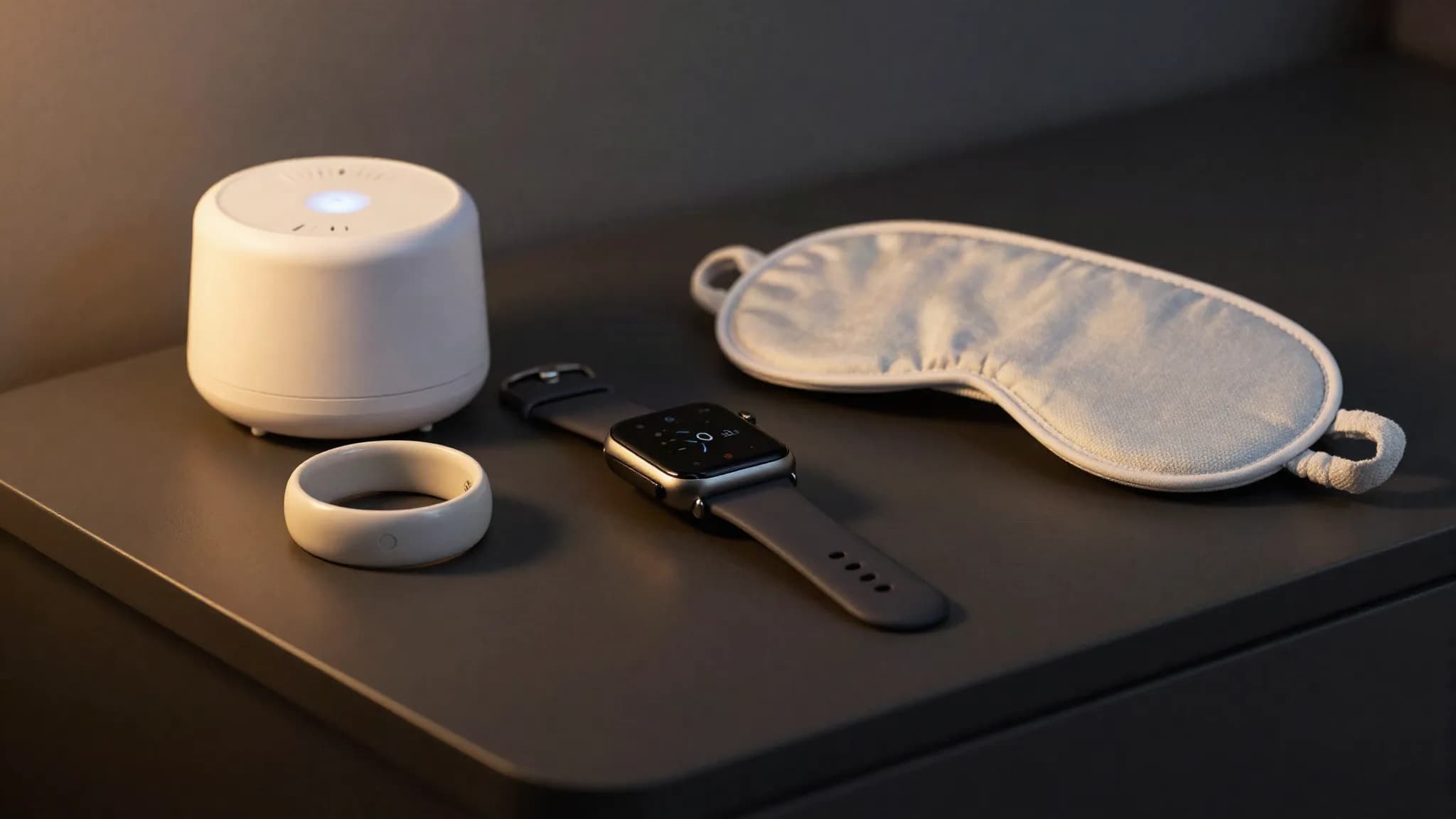
Americans are spending more on sleep than ever before. The industry that sells us mattresses, pillows, weighted blankets, and devices to track every moment we close our eyes is now worth $585 billion annually. That's bigger than the entire video game industry. Sleep has stopped being something you just do and become something you optimize, measure, and buy your way toward.
The transformation happened quietly. First came the wearable trackers around 2015, promising to unlock the mysteries of rest. Then the smart mattresses, the eye masks with built-in sensors, the apps that record your snoring. Now bedrooms look less like places to sleep and more like biohacking labs. It's a perfect storm of anxiety, technology, and our collective inability to disconnect.
The Numbers Behind the Sleep Economy
Nearly one-third of Americans now use some form of wearable sleep tracker, according to recent data. Most are spending between $200 and $300 on these devices. The broader market tells a starker story: as Sleep Foundation reported, more than one-third of U.S. adults reported sleeping worse in 2023, creating intense demand for sleep solutions. The global sleep apnea devices market alone is valued at $13.5 billion just in 2024.
Venture capital investors noticed the trend years ago. Between 2017 and 2021, funding for sleep tech startups nearly doubled. Smart mattresses, which typically cost between $2,000 and $5,000, represent an emerging category with features like temperature regulation and customizable firmness. The traditional mattress industry itself doubled in size between 2015 and 2020.
Sleepmaxxing Goes Viral
On TikTok and Instagram, "sleepmaxxing" has become shorthand for optimizing sleep quality through techniques ranging from the sensible to the questionable. Mouth-taping, nasal expanders, and melatonin megadoses proliferate across social media, each claiming to be the hack that will finally grant you eight hours of deep rest. Some of these trends have research behind them. Others carry genuine risks.
According to Healthline's analysis of the trend, practices like consistent sleep schedules, keeping your bedroom cool and dark, and limiting caffeine six hours before bed do have scientific support. White noise works well. So does exercise, though not too close to bedtime. But mouth-taping, popular with some biohackers, lacks sufficient evidence and poses serious risks for people with sleep apnea. Many over-the-counter melatonin supplements exceed safe dosing levels.
The Trap of Orthosomnia
Here's the uncomfortable truth: obsessing over your sleep data might be making you sleep worse. Sleep scientists have noticed a phenomenon they call "orthosomnia," a form of anxiety that develops when people become fixated on optimizing their sleep metrics. A Nature Human Behaviour study found that 35% of sleep tracker users developed anxiety about their sleep data, which paradoxically worsened their actual sleep quality.
The irony cuts deeper than most fitness trends because sleep is uniquely tied to stress and anxiety. The more you worry about whether you're getting enough, the harder sleep becomes. Experts emphasize that trackers should supplement conversations with doctors, not replace them. They're not diagnostic tools. Trying too hard to achieve perfect sleep can backfire, creating a cycle of anxiety and poor rest.
The Smart Mattress Frontier
Companies like Eight Sleep pushed into the premium market in 2024 with products like the Pod 4 Ultra topper, priced at $4,249. These mattresses promise to regulate your body temperature throughout the night, track your sleep cycles, and integrate with your phone to show you detailed analytics by morning. The pitch is seductive: what if your bed could learn what you needed before you knew yourself?
The reality is messier. Most of these devices generate data that's interesting to look at but doesn't necessarily make you sleep better. The expensive mattress is still just a mattress if you're stressed about work or checking your phone at midnight.
What Actually Helps
The sleep industry wants you to believe that the solution to poor sleep is one more purchase, one more subscription, one more device. But the cheapest and most effective sleep interventions remain unchanged: darkness, consistency, cool temperatures, and putting your phone away before bed. These things are free. They're just harder to monetize.
The sleep economy will keep growing because sleep deprivation is real and anxiety about it is real. But the next time you see an ad for a $200 pillow or a $4,000 mattress topper, remember that sometimes the hack is just to stop looking for one.
Published in The Outspoken Digest
Editorial desk
Outspoken Digest Health DeskMedicine, public health and the research behind the headlines, read carefully.
Newsletter
The Digest, in your inbox
One edition, sent when it is ready. No noise, and your address is never passed on.
Read Next
More Health →
Two Days After the Nobel for Optogenetics, a Small NEJM Trial Shows It Helped Some Blind Patients Detect Objects
Oct 9, 2026/3 min read
WHO Launches a Global Roadmap on Pre-Eclampsia and Pregnancy Hypertension, Tied to 42,000 Maternal Deaths a Year
Oct 8, 2026/3 min read

WHO Says Diet and Exercise Come First and Children Under 10 Should Not Get Weight-Loss Drugs or Surgery
Oct 7, 2026/3 min read

Kenya Confirms Its First Ebola Case, a Man Who Flew In From Uganda After Years in Congo and Died in Nairobi
Oct 6, 2026/3 min read