Kenya's Ebola Count Rises to Seven After Three Health Workers Who Treated the First Patient Test Positive
The health ministry reported four new Bundibugyo cases on Saturday, all linked to the man who died on 5 October, and says there is no evidence of community spread.
Saturday, October 17, 2026/2 min read
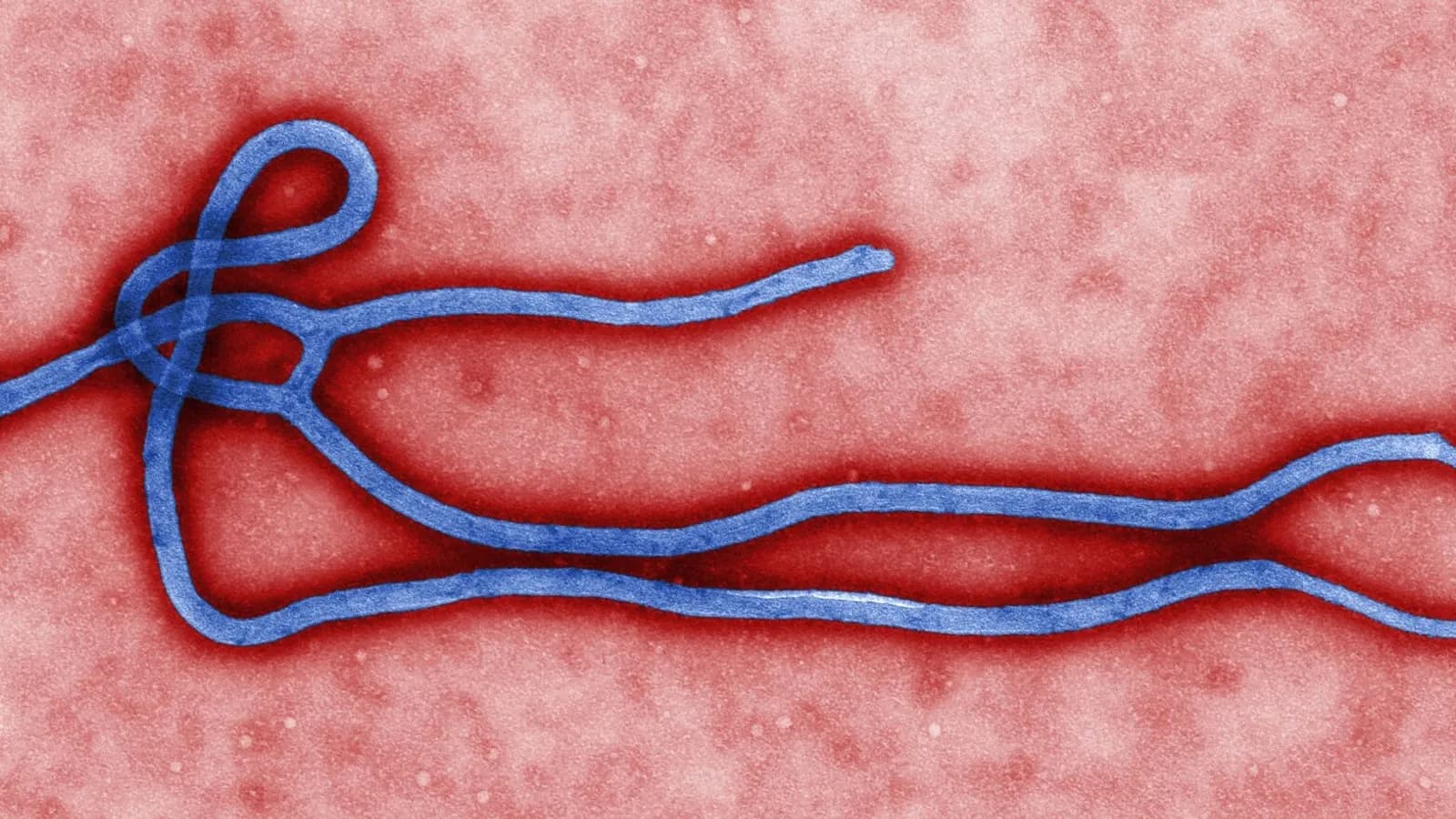
Kenya's Ebola outbreak grew on Saturday from three cases to seven. The health ministry announced four new confirmed infections, including three health workers who treated the first patient, bringing the national total to seven, including the man who died, according to AFP via France 24.
The ministry said the risk to the general public remains low and that there is no evidence of community transmission. The new cases include the first health workers to test positive in Kenya's outbreak.
Who are the new Ebola cases in Kenya?
The four new cases are a close male relative of the first victim, who had been in quarantine since 6 October, and three health workers who treated the first patient: two men aged 29 and 35 and a 32-year-old woman. The health workers were quarantined from 9 October. All four developed fever, were isolated before testing and then tested positive, AFP reported.
On Friday the ministry had confirmed a third case, a 65-year-old woman who is a relative of the first patient, who was moved to an infectious disease unit, AP reported. A 39-year-old male relative had tested positive earlier and was in stable condition.
How did Ebola reach Kenya?
The first case was a Kenyan man, reportedly a 40-year-old businessman, who had lived in the Democratic Republic of Congo. He travelled overland to Kampala, Uganda, flew to Nairobi on 3 October and died after treatment on 5 October. We reported Kenya's first case earlier this month.
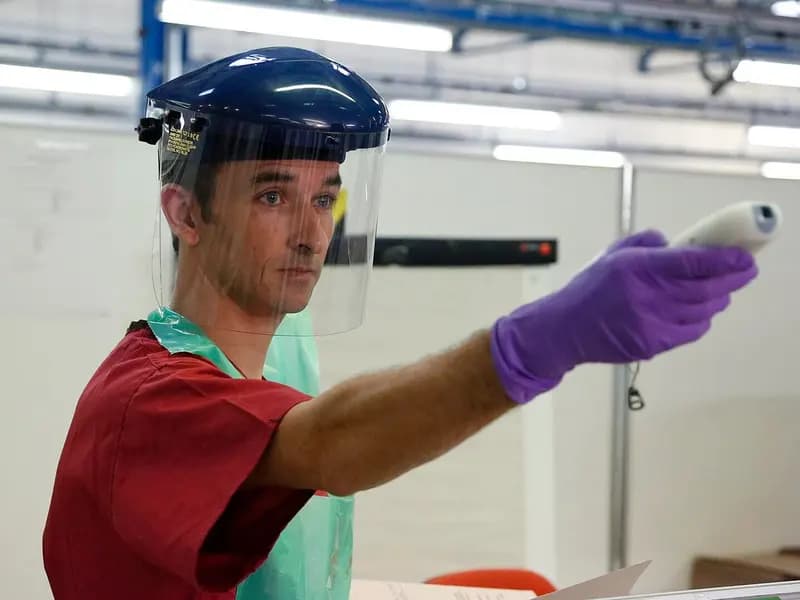
Kenya had recorded no Ebola cases before 6 October. Of 130 contacts, 128 have been traced and are in quarantine, per AFP. AP said three contacts linked to the first case had not yet been traced, and that tracing in Uganda and Congo has faced challenges. Kenya has intensified screening nationwide, with flights from 10 affected countries using a designated gate at Nairobi's main airport and temperature checks at the Busia border crossing.
Dr Barbara Muttimos of Médecins Sans Frontières urged people to be honest about their exposures and said survival is more likely when the virus is detected early, AP reported. Residents near the border worry about illegal crossings, with one Busia trader saying the government should find other ways of screening.
What is the outbreak like in Congo?
Congo's outbreak, its 17th, was declared in May and has infected 9,066 people and caused 4,381 deaths, Congolese authorities say. It is caused by the Bundibugyo strain, for which there is no vaccine or specific treatment. Uganda recorded 20 infections and two deaths and was declared Ebola-free in August.
This is reporting, not medical advice. Anyone who has been in an affected area, or in contact with a confirmed case, and develops a fever should contact local health authorities by phone before visiting a clinic, and questions about personal risk belong with a clinician or public health service. The numbers to watch next are the three untraced contacts and whether further cases appear outside the known chain of contacts.
Published in The Outspoken Digest
Editorial desk
Outspoken Digest Health DeskMedicine, public health and the research behind the headlines, read carefully.
Newsletter
The Digest, in your inbox
One edition, sent when it is ready. No noise, and your address is never passed on.
Read Next
More Health →
BMJ Analysis Warns Fast-Growing Private Testosterone Prescribing Could Land on the NHS
Oct 14, 2026/2 min read
Cochrane Review Finds Medical Cannabis Has No Clear Benefit for Insomnia, With Weak Evidence Either Way
Oct 13, 2026/2 min read

Lancet Commission Names 17 Threats to Global Health Through 2100, With Obesity the Largest by Burden
Oct 12, 2026/2 min read