Seoul's Opposition Demands a Special Prosecutor Over the Kospi Plunge as Lee's Office Blames Wall Street
The People Power Party wants a parliamentary inquiry into pension rebalancing and leveraged ETFs, while the presidential office says US tech turbulence, not policy, drove the sell-off.
Tuesday, November 24, 2026/2 min read
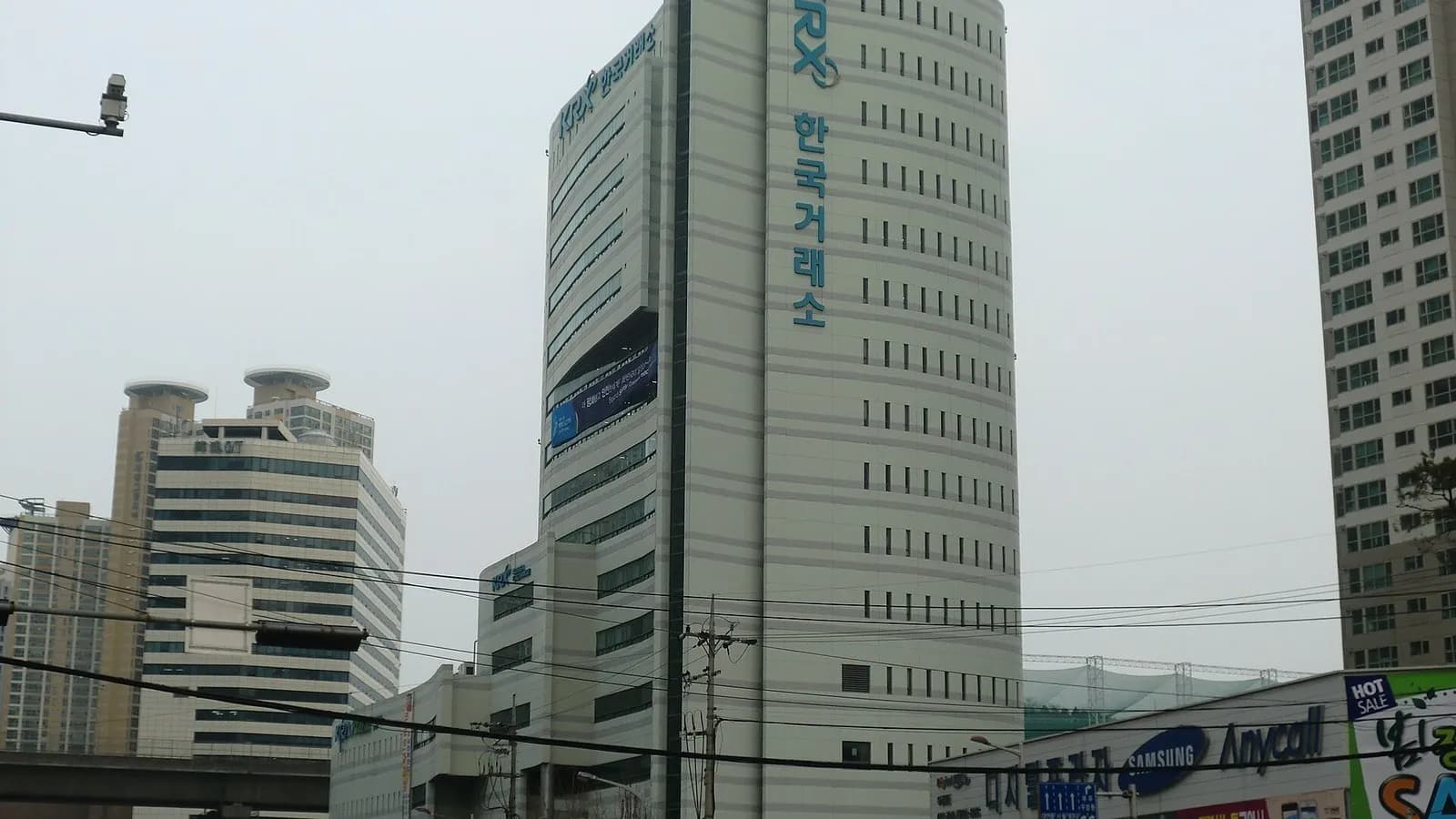
The Kospi's collapse has stopped being only a markets story in Seoul. South Korea's main opposition party is now treating it as a scandal, with demands for a special prosecutor, a parliamentary investigation and punishment for whoever is found responsible for investor losses, UPI reported, translating Asia Today. The presidential office has pushed back hard.
The row follows the volatility we covered on Monday, when the Kospi pared a 5.8 percent plunge to a 3.3 percent loss. The politics is what comes next.
What is the People Power Party alleging?
Party leader Jang Dong-hyuk and lawmaker Na Kyung-won, speaking on Facebook and in statements, argue that President Lee Jae-myung's government raised risks for ordinary investors. They point to a delay in rebalancing the National Pension Service's portfolio and to the introduction of single-stock leveraged exchange-traded funds. Na also pointed to a fall of about 46.6 percent in the Kospi from its June peak, erasing roughly 3,460 trillion won of market value, the Seoul Economic Daily reported.
The party also says Lee urged people to sell homes and buy shares, and that households lost more than 500 trillion won (about $372 billion) in the second half of the year. They also accuse Lee of using the footballer Son Heung-min's name to promote stock investing, and say housing prices rose for 93 straight weeks while shares fell by about half from their peaks. These are political claims, not findings, and UPI notes they have not been independently verified.
How has the government responded?
The presidential office rejected the idea that its policies caused the fall and blamed turbulence in US equities. Economic adviser Ryu Deok-hyeon said the volatility could prove temporary and cited long-term demand for artificial intelligence and chips. Spokesman Kim Sung-wan said the leveraged ETF issue had been discussed before and should not be treated as a new explanation for the decline.
The opposition has also seized on a remark Lee made while visiting the exchange after the plunge, that the higher the mountain, the deeper the valley, which Na and Jang said ignored investors' pain.
How bad was the sell-off behind it?
On 20 November the Kospi fell 5.21 percent to close at 4,869.96, and the tech-heavy Kosdaq fell 5.71 percent to 645.68, with automatic trading curbs triggered in both, according to the Seoul Economic Daily. That day the Nasdaq dropped 5.28 percent and Nvidia fell 13.8 percent on Wall Street. The paper noted concern that large chip stocks such as Samsung Electronics and SK hynix could fall further if the US tech sell-off spreads.
Whether the party can force a special prosecutor depends on a political fight, not on the index. For retail investors holding leveraged positions, the number that matters stays on the screen.
Published in The Outspoken Digest
Editorial desk
Outspoken Digest News DeskReports for The Outspoken Digest across Latest Trends, Health, Business, Technology.
Newsletter
The Digest, in your inbox
One edition, sent when it is ready. No noise, and your address is never passed on.
Read Next
More Latest Trends →
Burnham Brings Forward NDA Limits to January and Opens a Review of a Staggered Age of Consent
Nov 25, 2026/2 min read
Huawei Convicted on 10 of 12 Counts in Brooklyn but Cleared of Racketeering, and Vows to Appeal
Nov 25, 2026/2 min read
Judge Puts His Reasons in Writing: Case Against Two Ex-FBI Officials Was Rushed, Political and Pushed From the Top
Nov 24, 2026/2 min read

Zelensky Confirms Ukraine Hit the Russian Cargo Ship Sparta II in the Gulf of Finland as Norway Urges Caution
Nov 24, 2026/2 min read