Peruvian Scientists Name a New Lizard Found Above 4,800 Metres in the Andes, Bringing the Country's Total to 296 Species
A team from the Natural History Museum of San Marcos University described Liolaemus archipensis, a six to eight centimetre lizard from the high puna of Arequipa, in the journal Diversity.
Saturday, October 3, 2026/2 min read
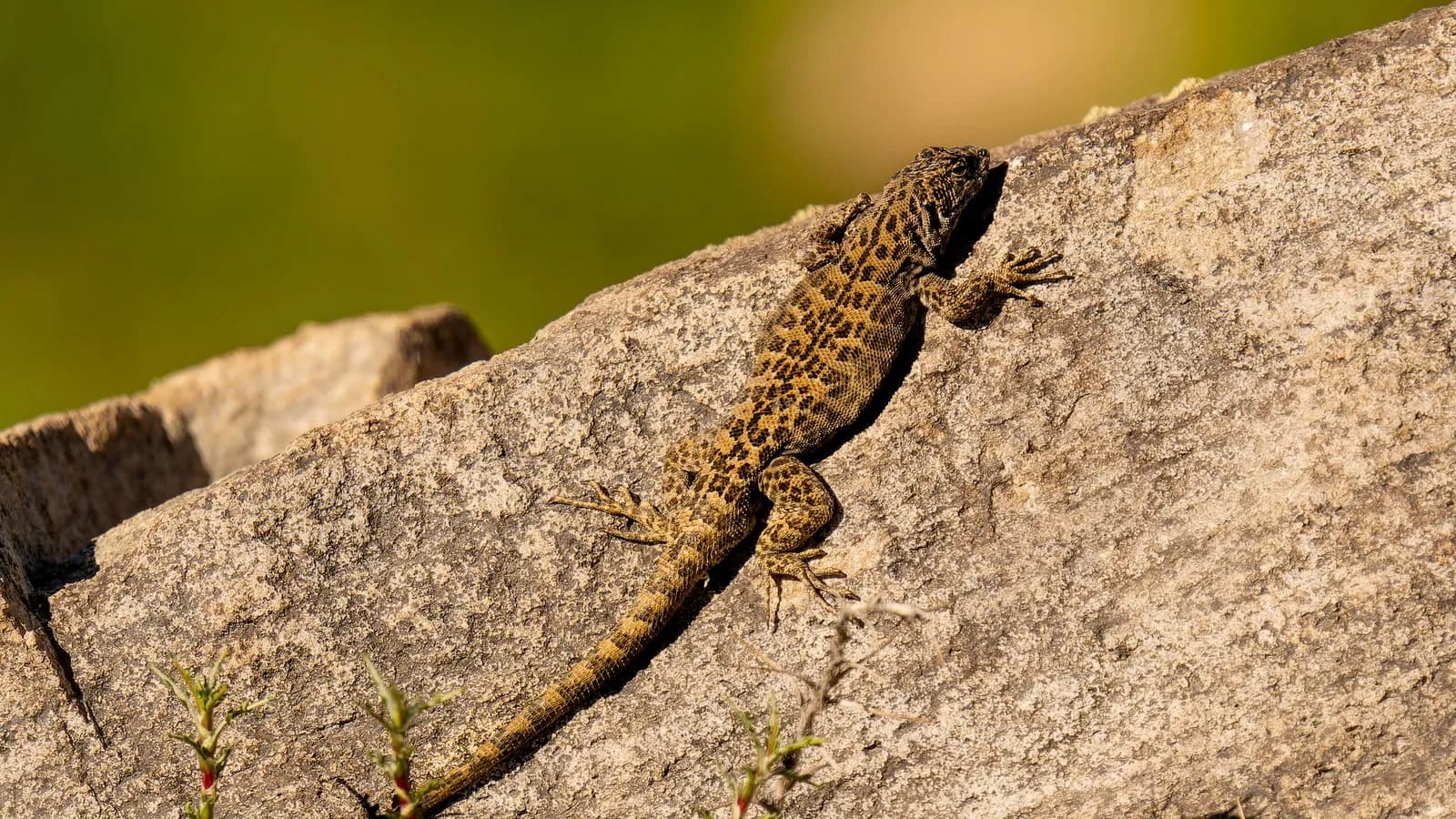
A new species of lizard has been described from the high Andes of southern Peru, the Natural History Museum of San Marcos University announced on Saturday 3 October. The animal, named Liolaemus archipensis, lives above 4,800 metres in the Arequipa region and measures between six and eight centimetres, according to Dawn.
A small lizard at a very high altitude
The species lives in the puna, the cold, rocky highland of the Andes, where few reptiles survive. Males and females look different. Females carry square-shaped spots along their backs, while males have oblique spots and white scales that help them blend into the stony ground. It feeds on plants and small arthropods, including spiders, beetles, true bugs and insect larvae.
The work was led by the biologist Ling Huamani-Valderrama, who said that describing a new species "represents a very important advance for biodiversity in our country." The description was published in Diversity, a Swiss scientific journal, and brings the number of lizard species known from Peru to 296, the team says.
The genus behind it
The genus Liolaemus is among the most species-rich groups of lizards in the world, with a range that runs through the Andes and southern South America as far as Patagonia. Its members have colonised some of the harshest habitats on the continent, from high-altitude plateaus to cold southern steppe, and new species are still being described in it at a steady pace. That is why a find like this one is credible even in a country already known to hold hundreds of lizard species.
Why altitude matters
Living above 4,800 metres means coping with thin air, intense sunlight and sharp swings in temperature between day and night. Small lizards in these places often rely on basking on rocks for heat, which is why the colour and pattern of the males here, built for camouflage against stone, matter for survival. Species restricted to narrow high-altitude zones can also be sensitive to climate change, because there is nowhere higher for them to go.
The Sharjah24 report on the announcement repeats the main details: the species name, the altitude, the Swiss journal and the new national total of 296.
What comes next
Formal description is the first step. Field surveys in neighbouring highland areas will show how widespread the lizard is, and whether it faces any threats. For now, the announcement is a reminder that a country can be thoroughly surveyed and still hold unrecorded vertebrates on its highest slopes.
Published in The Outspoken Digest
Editorial desk
Outspoken Digest Science DeskReports for The Outspoken Digest across Technology, Latest Trends, Health.
Newsletter
The Digest, in your inbox
One edition, sent when it is ready. No noise, and your address is never passed on.
Read Next
More Technology →
What PHP2Shell Reveals About Maintaining the Code Behind Most of the Web
Oct 22, 2026/3 min read

PHP2Shell for Hosts, Developers and Security Teams: Backports, WAF Rules and Incident Response
Oct 22, 2026/3 min read

PHP2Shell: What Website Owners and Small Businesses Should Do Right Now
Oct 22, 2026/3 min read

PHP2Shell Timeline: From a Quiet August Report to a Leak, Early Attacks and a Day-Early Patch
Oct 22, 2026/3 min read