MapQuest Now Shows You Where the Licence Plate Cameras Are, and Drivers Are Switching It On
A new Surveillance Layer marks Flock and ten other makers' cameras on the road map using crowdsourced locations, as pushback against plate readers keeps growing across the US.
Outspoken Digest Technology Desk
Sunday, October 18, 2026/2 min read
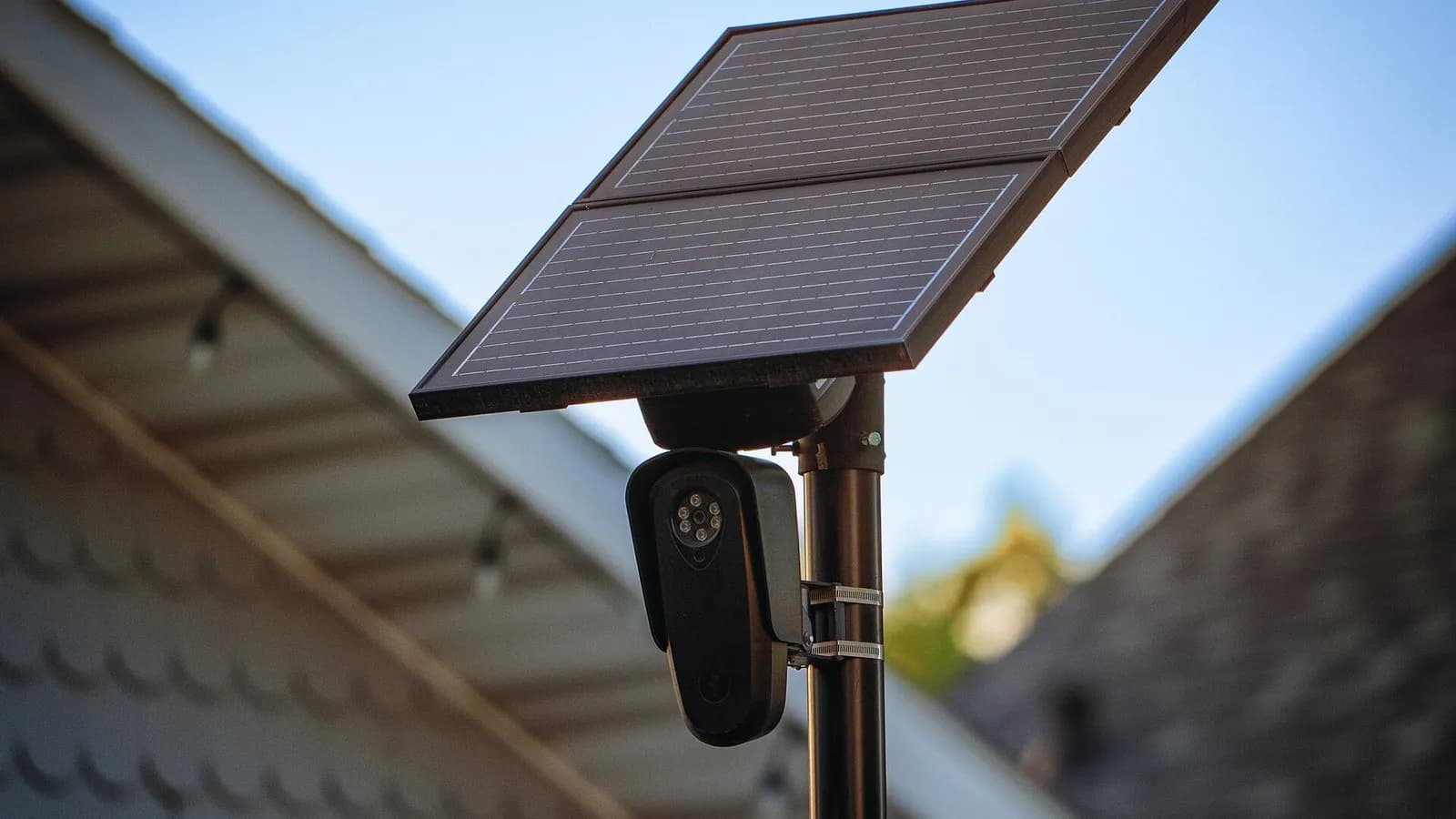
MapQuest, the navigation app many assumed was a museum piece, has found a new reason for people to open it. A map layer introduced on 15 October marks the outdoor cameras and licence plate readers that watch US roads, and its own announcement put it in four words: "The Roads Have Eyes!"
The feature is simple, and it lands at a moment when the cameras are a political issue in towns across the country.
How do you turn on MapQuest's Surveillance Layer?
Open Map Options and switch on the Surveillance Layer, which sits alongside the traffic and incidents layers, according to The Next Web. The map then shows known plate readers. Camera positions are crowdsourced, so users can add devices they spot to warn other drivers. Carscoops adds that Google Maps and Waze do not offer such alerts.
The layer covers Flock Safety plus ten other makers: Motorola Solutions (Vigilant), Genetec, Axis Communications, Axon, Leonardo (ELSAG), Neology, Rekor, PlateSmart, Ubicquia and Verkada. MapQuest has not said where its location data originates, so how complete the map is remains an open question.
Why is this happening now?
Flock has put more than 100,000 cameras on American roads, Carscoops reports. These readers photograph passing cars and log plates, times and places that police and private groups can later search. Carscoops lists a growing backlash: people wrongly identified as criminals, several officers arrested or fired for allegedly using the technology to stalk people, vandalised cameras, and local governments cancelling programmes. It says Texas's governor halted state funding for readers along state rights-of-way and Florida ordered them removed.
The Next Web notes that a US judge has ruled one police Flock search amounted to unconstitutional mass surveillance, and that MapQuest downloads surged in September after the app declined to relabel Lake Ontario as "Lake America". Carscoops also cites Reuters for Flock cutting 18 percent of its workforce, 270 people, this month. Flock says its cameras aid criminal investigations and the search for missing people.
Is it accurate?
Treat it as a guide, not a guarantee. A crowdsourced map is only as good as its contributors, and neither outlet reported how MapQuest checks submissions. Cameras that are new, moved or unreported will not appear.
MapQuest has been on a run. The Next Web notes it recently added Android Auto support and public transport directions. Plate readers, for context, work by photographing passing cars and logging plates, times and locations, a record that police and private groups can later search, and that searchability is exactly what critics object to. Flock argues the opposite: that the same data helps find missing people and solve crimes.
What the layer does show is how mainstream the argument has become: a consumer map app now treats the cameras as a feature worth advertising.
Published in The Outspoken Digest
Editorial desk
Outspoken Digest Technology DeskSoftware, hardware, artificial intelligence and what they change for everyone else.
Newsletter
The Digest, in your inbox
One edition, sent when it is ready. No noise, and your address is never passed on.
Read Next
More Technology →
Webb Caught a Probable Supernova From the Early Universe Only Days After It Exploded
Oct 18, 2026/2 min read
Webb Maps an Exoplanet's Atmosphere as Egg-Shaped, With a Puffed-Up Evening Side Hotter Than Its Morning Edge
Oct 18, 2026/2 min read
A Hole in a 75,000-Year-Old Shoulder Blade Points to a Wooden Spear, and Perhaps to Neanderthal Care
Oct 18, 2026/2 min read

Anthropic's Own Staff Data: Junior Technical Hires Fell From 27 to 9 Percent as Its AI Agents Outworked Humans
Oct 18, 2026/2 min read