Mental Health During War: What Helps When the Threat Is Not Over
Fear, disrupted sleep, grief and irritability are common during conflict. Evidence-based support begins with safety and practical care, while recognizing when professional help is urgent.
Saturday, July 25, 2026/3 min read
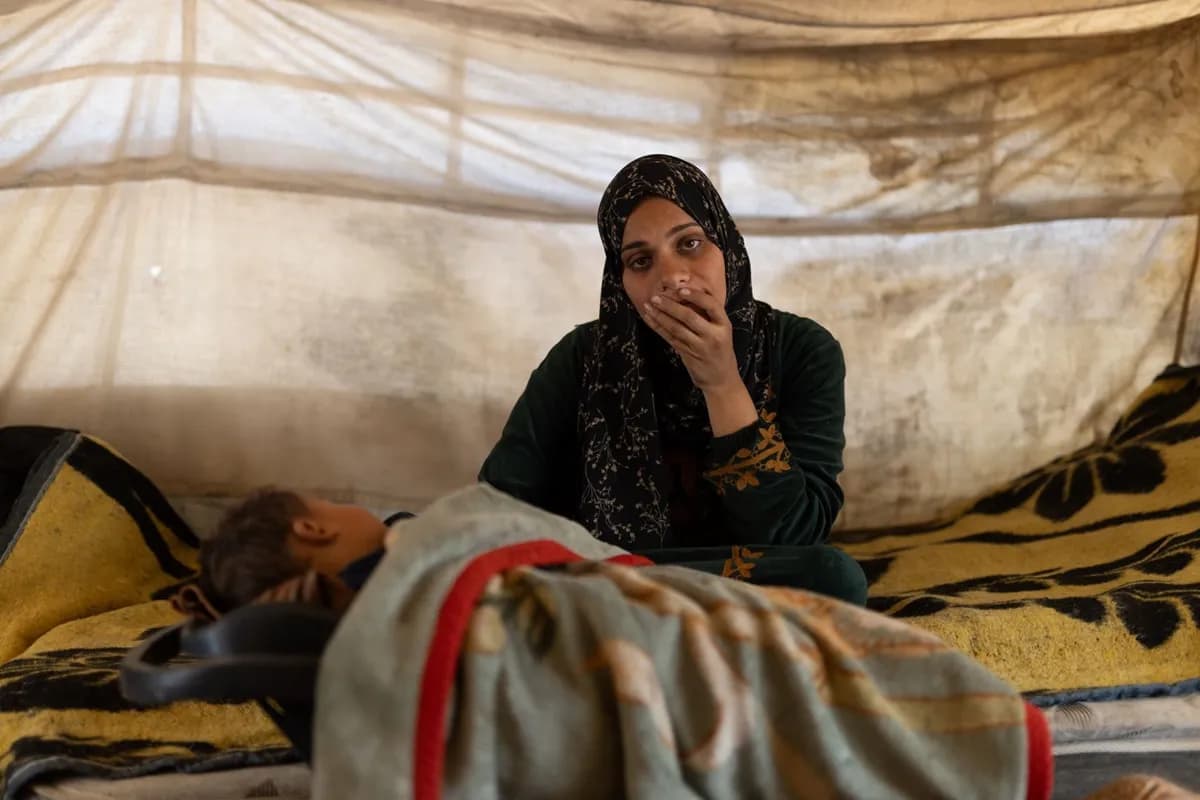
It is difficult to calm a nervous system while danger remains real. During war, people may struggle with fear, grief, anger, numbness, poor concentration, nightmares, physical tension and disrupted sleep. These reactions do not automatically mean someone has a psychiatric disorder. They can be understandable responses to threat, loss and uncertainty.
The World Health Organization says almost everyone affected by an emergency experiences psychological distress that usually improves over time. It also estimates that 22% of people exposed to war or conflict in the previous decade have depression, anxiety, post-traumatic stress disorder, bipolar disorder or schizophrenia. The numbers show both truths: distress is widespread, and a significant minority need more than informal reassurance.
Start with safety and basic needs
Mental-health advice can sound hollow when a person lacks shelter, medication, food, information or contact with family. Practical help is psychological help. Identifying a safer room, charging a phone, locating documents, planning transport and reconnecting someone with trusted people can reduce helplessness more effectively than asking them to talk before they are ready.
WHO's Psychological First Aid guide describes humane, supportive and practical assistance that respects dignity, culture and ability. It is not therapy, forced debriefing or an invitation to retell frightening events in detail. A useful approach is to look for urgent needs, listen without pressure and link the person to reliable services and social support.
Build a small circle of control
War destroys routine, but modest structure can protect functioning. Choose fixed anchors that remain possible: waking and eating at roughly consistent times, taking prescribed medication, checking verified news at set intervals and making one daily contact with a trusted person. For children, predictable caregiving and simple explanations are more protective than pretending nothing is happening.
Limit repeated exposure to graphic footage, especially before sleep and around children. Staying informed is necessary; watching the same violent images for hours rarely adds useful information. Select one or two reliable sources, decide when to check them and silence nonessential alerts when the immediate security situation permits.
Work with the body, not against it
Acute stress is physical. Slow breathing with a longer exhale, walking in a safe indoor space, stretching tense muscles and orienting to present sights and sounds can reduce arousal for some people. These are not cures and should never be framed as proof that distress is a personal failure. They are short tools for helping the body move out of maximum alert when there is a safe moment.
Sleep may remain irregular. Aim for rest rather than demanding perfect sleep. Reduce caffeine late in the day, keep emergency essentials ready so the mind does not have to rehearse them repeatedly, and use familiar low-stimulation audio if silence increases vigilance. Avoid using alcohol or unprescribed sedatives to force sleep; both can worsen mood, judgment and dependence.
How to support someone else
- Ask what they need now instead of assuming.
- Offer specific help: a meal, transport, child care, a phone call or help finding medicine.
- Do not pressure them to describe trauma or compare their reaction with someone else's.
- Respect silence, cultural practices and the person's choices wherever safety allows.
- Share verified service information and offer to stay with them while they make contact.
When professional or urgent help is needed
Seek urgent local help if someone may harm themselves or another person, cannot care for basic needs, is severely confused, is experiencing hallucinations, has gone without meaningful sleep for several days or is using substances in a dangerous way. If there is immediate danger, contact the local emergency service or the nearest functioning health facility and do not leave the person alone when it is safe for you to remain.
Persistent symptoms also deserve care when they interfere with daily functioning, relationships or the ability to protect oneself. WHO recommends referral networks connecting general health care, mental-health specialists, schools, social services and community supports. Where specialists are scarce, trained primary-care and supervised community workers can provide evidence-based interventions.
Recovery is social as well as clinical
New WHO guidance for conflict and post-conflict reintegration emphasizes family- and community-based support, social inclusion and links between mental health, livelihoods and peacebuilding. Recovery cannot be reduced to individual resilience while displacement, stigma and insecurity continue.
People do not need to look calm to be coping, and they do not need to recover on a schedule. The most ethical support recognizes continuing danger, protects basic needs, strengthens connection and makes skilled care available without shame. This article is general information and cannot replace assessment by a qualified professional who understands the person's circumstances.
Published in The Outspoken Digest
Editorial desk
Outspoken Digest Health DeskMedicine, public health and the research behind the headlines, read carefully.
Newsletter
The Digest, in your inbox
One edition, sent when it is ready. No noise, and your address is never passed on.
Read Next
More Health →
Cochrane Review Finds Medical Cannabis Has No Clear Benefit for Insomnia, With Weak Evidence Either Way
Oct 13, 2026/2 min read

Lancet Commission Names 17 Threats to Global Health Through 2100, With Obesity the Largest by Burden
Oct 12, 2026/2 min read

FDA Approves Pritelivir for Herpes Lesions That Resist Standard Antivirals in Immunocompromised Adults
Oct 10, 2026/2 min read