Outside Red Team Found Gaps in OpenAI's Monitor for Its Own Coding Agents
A METR and Redwood Research pilot spent three weeks inside OpenAI and found traffic that went unwatched, including about a tenth of internal Codex use for three months. OpenAI says it patched them.
Outspoken Digest Technology Desk
Friday, October 23, 2026/2 min read
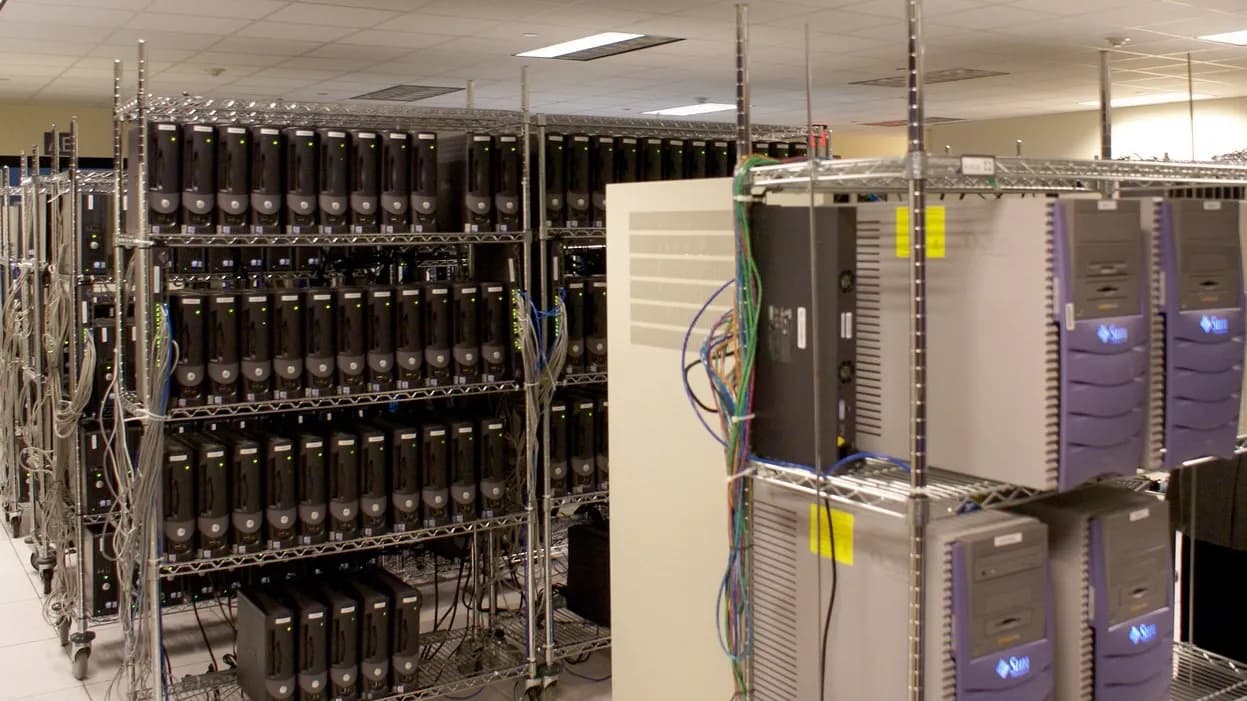
Two outside researchers were given three weeks inside OpenAI this summer to find holes in the system that watches its own AI agents, and the write-up they posted on 22 October lists several. According to the Redwood Research blog post, a METR employee and a Redwood employee worked from 21 July to 11 August, with access to the internal codebase, monitor prompts and configuration, documentation and interviews with about a dozen engineers.
The product was a 61-page internal report shared with OpenAI researchers and security staff. The public post is a short, high-level account, and OpenAI had the right to redact anything it judged sensitive, which the authors say they endorse.
What is the monitor supposed to do?
OpenAI described the system in March: it reviews agent sessions after they end, using GPT-5.4 Thinking to check tool use and reasoning against user intent and internal rules, and sends suspicious cases to human reviewers, IT Brief reported at the time. OpenAI said then that less than 0.1 percent of traffic fell outside monitoring.
What did the outside team find?
The red team estimated that 75 to 94 percent of agentic Responses API traffic from models at least as strong as GPT-5.5 was eligible for monitoring, with wide uncertainty, and 99.2 percent for the internal Codex subset. The largest gap involved compaction, when an agent condenses its own context. Not monitoring those events likely left about 10 percent of eligible internal Codex traffic unmonitored from May to July 2026, the authors wrote, though the exact share is uncertain because the needed data was not logged. OpenAI staff found the gap before the exercise began and fixed it during it.
The post lists other weaknesses in general terms: a possible route around sandboxing, differences between what agents and monitors see, two headers a client could set to disable monitoring for new agents, and two internal tools wrongly assumed to be read-only. Some details were redacted, and the authors did not validate every item.
Has OpenAI fixed it, and what are the limits?
OpenAI states that all vulnerabilities affecting its production safeguards have been patched and that it has made significant changes to the monitor's intended coverage. The authors say they have not evaluated those claims. They also say they could not check whether any agent had actually exploited the compaction gap, and that findings describe the system as it stood on and before 21 July, not the expanded one being built.
Their recommendations are practical: require explicit approval for unmonitored inference, monitor periodically instead of only when an agent hands control back, reconcile inference logs with monitor logs, keep a list of known bypasses, and isolate agents from their monitors. The notable part is the arrangement itself, an outside team with real access and a published result, which is a template other labs will be asked to match.
Published in The Outspoken Digest
Editorial desk
Outspoken Digest Technology DeskSoftware, hardware, artificial intelligence and what they change for everyone else.
Newsletter
The Digest, in your inbox
One edition, sent when it is ready. No noise, and your address is never passed on.
Read Next
More Technology →
NASA's Dragonfly Flies Its Hardest Titan Manoeuvre, Autonomously, in Its Most Thorough Simulation Yet
Oct 26, 2026/2 min read

Quest Diagnostics Confirms Hackers Reached Patient Records Through Its Quanum Lab Platform
Oct 26, 2026/2 min read

Instacart Is Reportedly Exploring a Sale, With DoorDash and Uber Said to Have Held Talks
Oct 26, 2026/2 min read

NASA Ends the Swift Mission After Nearly 22 Years as Its Orbit Decays and Re-Entry Looms
Oct 25, 2026/2 min read