Why Renewable Power Is Becoming Essential Infrastructure Across the Middle East
Solar systems are increasingly keeping hospitals, schools, water networks and street lighting operating where centralized energy supply is expensive or unreliable.
Outspoken Digest Climate & Society Desk
Monday, August 3, 2026/2 min read
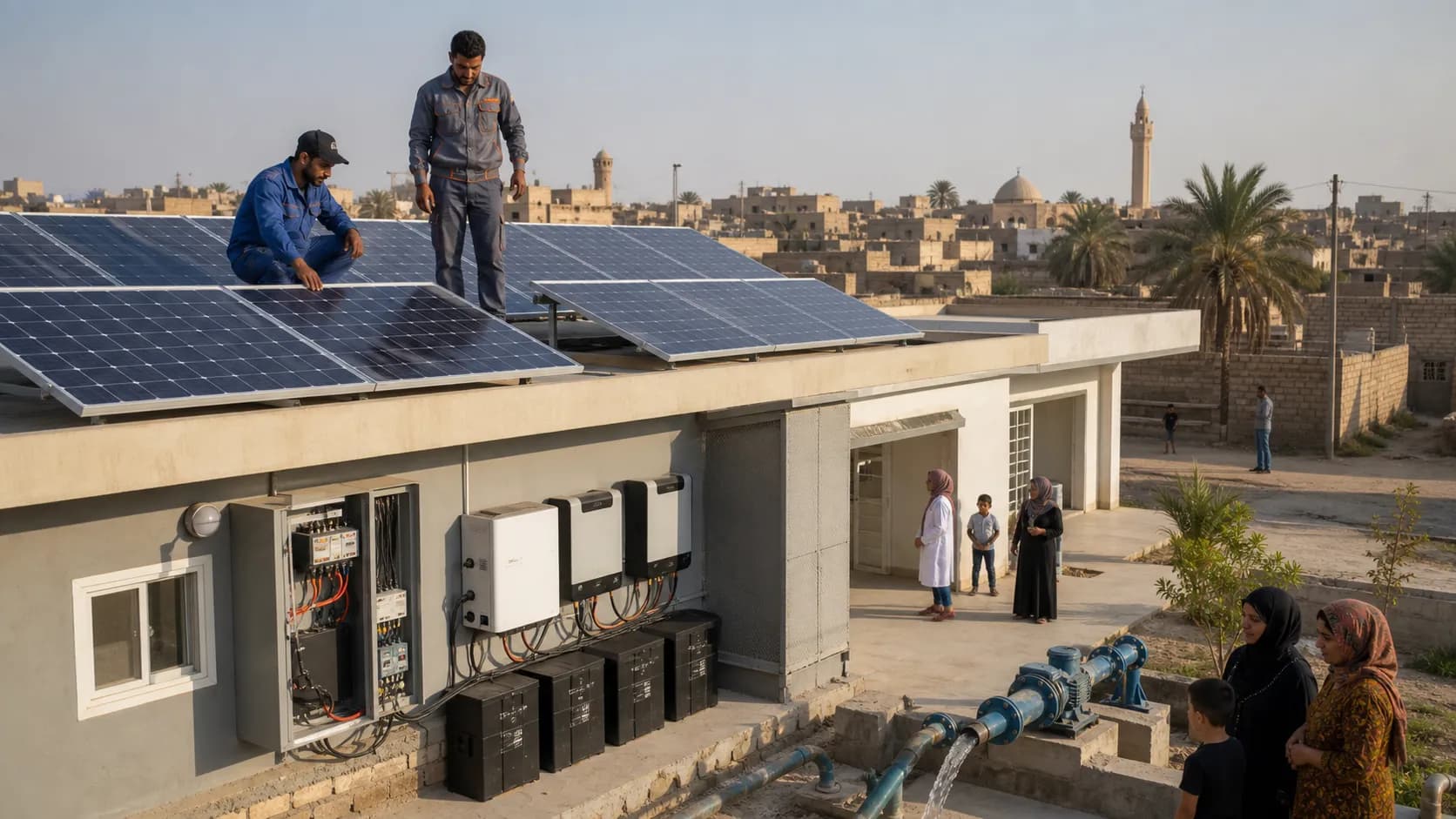
Renewable energy is often discussed through national targets and giant power plants. Across parts of the Middle East, its most immediate value is smaller and more human: keeping a clinic's refrigerator cold, a school lit, a water pump operating or a street safer after sunset.
Resilience changes the economics
A rooftop solar system with batteries may look expensive compared with normal grid electricity. The calculation changes when the grid is unreliable, fuel deliveries are uncertain or a generator consumes scarce cash every day. In those conditions, the alternative to renewable power is not cheap electricity; it may be no electricity at all.
A United Nations field report describes renewable systems supporting essential infrastructure in crisis-affected communities, including hospitals, schools and street lighting. The examples show why decentralized generation is becoming part of humanitarian and development planning.
Small systems solve specific problems
The most effective installations begin with a load assessment. A health facility may prioritize vaccine refrigeration, communications and an operating room. A school may need lighting, fans and internet access. A water system may require pumps during a predictable daily window. Designing around critical loads keeps the system affordable and prevents batteries from being drained by nonessential use.
The wider energy-investment context reinforces the trend. The International Energy Agency's 2026 investment assessment says disruptions are putting greater emphasis on energy security and expects renewable investment to remain substantial, with solar the largest component.
Maintenance is the hidden project
Panels can operate for decades, but batteries, inverters, wiring and control systems require care. A donated installation can fail quickly when no technician is trained, spare parts are unavailable or ownership is unclear. Projects should therefore budget for maintenance, monitoring and eventual battery replacement from the beginning.
Local skills create a second benefit. Training electricians and technicians turns an emergency asset into a source of employment and makes future systems easier to repair. Standardized equipment can also reduce the number of incompatible parts that organizations must stock.
From relief to better public services
Distributed energy does not replace the need for strong national grids. It complements them by protecting essential services and reducing peak demand. In stable areas, the same architecture can support remote communities and improve disaster readiness. In fragile areas, it can preserve a minimum level of public service when centralized systems are damaged.
The important trend is not simply that the Middle East is installing more solar capacity. It is that energy planning is becoming more modular, local and connected to the services people use. A reliable light in a clinic may be a small project on an investment chart, but for the patient beneath it, it is the infrastructure that matters most.
Published in The Outspoken Digest
Editorial desk
Outspoken Digest Climate & Society DeskReports for The Outspoken Digest across Latest Trends.
Newsletter
The Digest, in your inbox
One edition, sent when it is ready. No noise, and your address is never passed on.
Read Next
More Latest Trends →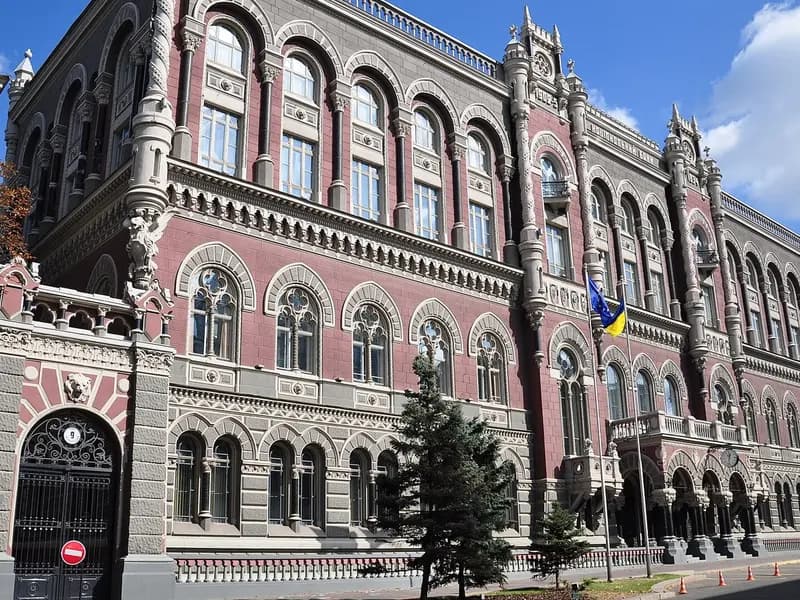
Ukraine's Anti-Corruption Bureau Searches the National Bank, and Governor Pyshnyi Says He Is Staying
Oct 22, 2026/2 min read
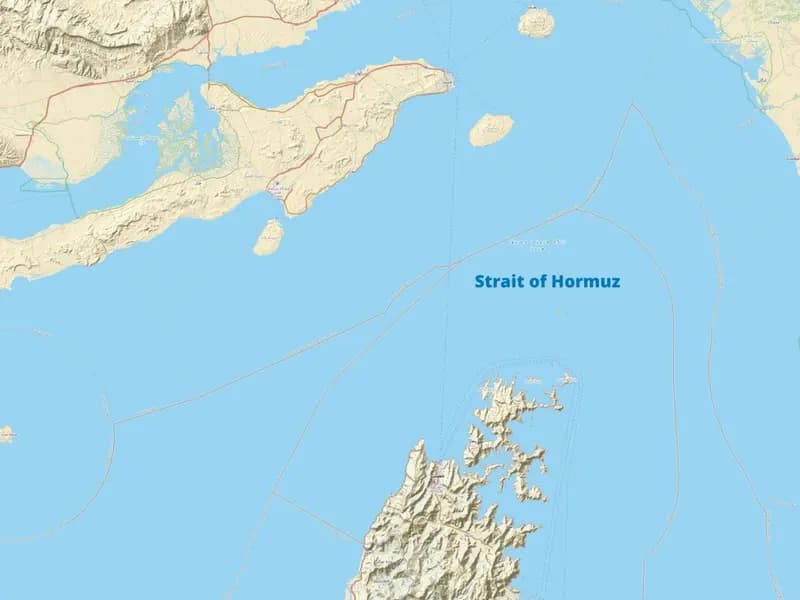
Iran Says Hormuz Stays Shut Until Washington Accepts Its Seven-Day Plan, and Explosions Are Reported on Its Coast
Oct 22, 2026/2 min read
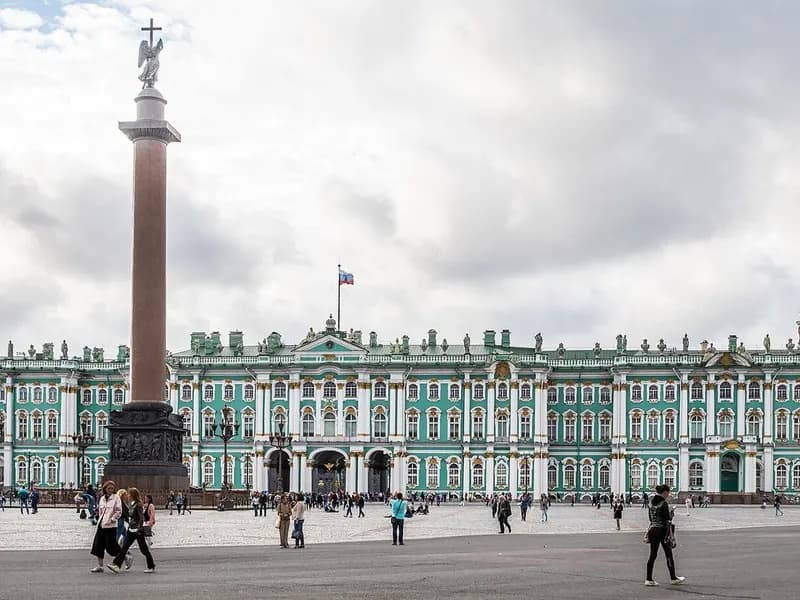
Putin Tells Witkoff He Will Negotiate in Principle as Russia Frees American Stephen Hubbard
Oct 22, 2026/2 min read

Two Killed at a Saudi Oil Field and One at Dammam Airport as the US Orders Embassy Staff Out of Saudi Arabia
Oct 22, 2026/2 min read