Nobody Can Agree How Big Modest Fashion Is, and That Is the Story
One widely cited figure puts the category at 86 billion dollars. Another puts it at 254 billion. The gap is not a rounding error, it is a disagreement about what modest fashion actually is.
Sunday, August 16, 2026/3 min read
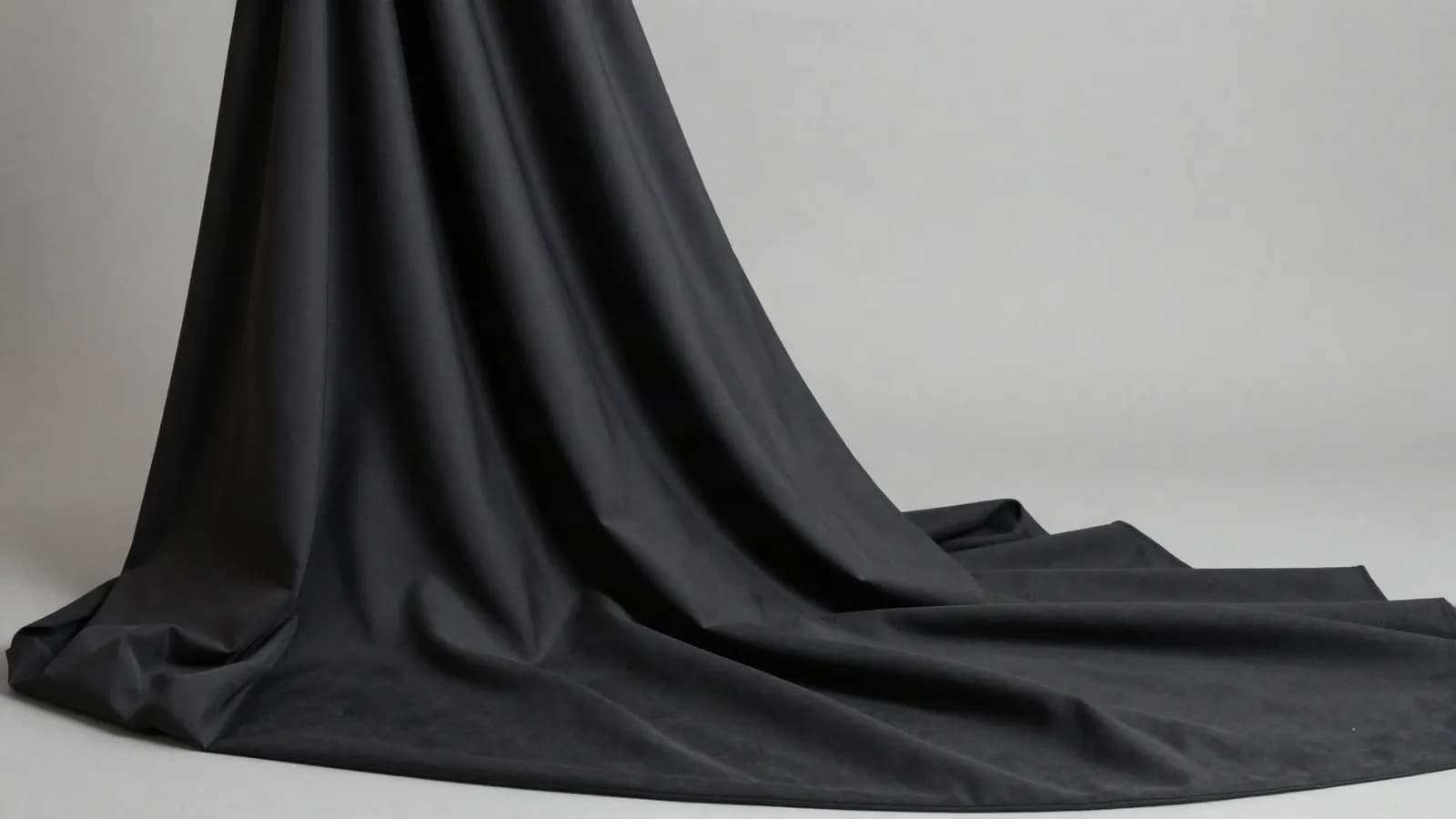
Every few months a figure circulates for the size of the modest fashion market, and it is never the same figure twice. One frequently quoted estimate values Islamic and modest fashion at about 86 billion dollars in 2024, growing towards 139 billion by 2033. Another set of numbers puts global spending on modest fashion at 254 billion dollars in 2023, heading for 473 billion.
Those are not two estimates of the same thing. They are two definitions wearing the same name.
What counts as modest fashion?
The narrow definition counts garments designed and sold as modest wear: abayas, kaftans, hijabs, modest swimwear, prayer wear. It is a category with its own shops, its own designers and its own trade shows, and it is straightforward to measure because the products announce themselves.
The broad definition counts every garment bought by a consumer dressing modestly, which includes the long-sleeved dress from a mainstream label, the wide-leg trousers, the high-necked knit and the maxi skirt that were never marketed as modest anything. On that reading, a large share of ordinary high street sales in several countries belongs in the total.
The first definition describes an industry. The second describes a way of shopping. Both are legitimate. Reporting them interchangeably is how a category ends up with a number that varies by a factor of three.
Why the distinction matters commercially
Because the two definitions imply completely different strategies.
If modest fashion is a specialist category, the winning move is depth: better construction, better fabric, designers who understand the garment's engineering, and retail that speaks to a customer who knows exactly what she is looking at.
If it is a way of shopping, the winning move is coverage: making sure a mainstream range includes enough long sleeves and unclingy cuts to capture a customer who is buying from the same rail as everyone else and simply skipping two thirds of it.
Most large brands have chosen the second and called it the first. A capsule collection released for Ramadan is coverage marketed as depth, and customers in the Gulf have become extremely good at spotting the difference.
Where the design is actually going
Set the numbers aside and the direction of travel in the Gulf is legible enough. The current mood favours structure over decoration: clean lines, sculpted shoulders, wide sleeves cut with intent rather than volume for its own sake, and layering that reads as deliberate.
Colour has moved towards tonal dressing, where a look sits inside a single family and gets its interest from the difference between two textures rather than from contrast. Velvet has returned for formal occasions, which in a climate like this one is a statement about the season being indoors rather than about warmth.
The open abaya remains the most versatile thing in the category, because it functions as outerwear over whatever is underneath it and therefore survives every change of trend beneath it.
Is sustainability actually driving purchases here?
Partly, and unevenly. Younger buyers are meaningfully more likely to choose a brand on sourcing and craft claims, and the shift towards fewer, better pieces is real across the Gulf's luxury end.
But the honest reading is that quality is doing most of the work and sustainability is being credited for it. A customer who buys one well-made abaya instead of four cheap ones has reduced her consumption, and she generally did it because the good one drapes better, not because of a materials disclosure. The environmental outcome is the same. The marketing story is not the reason.
Our note on cost per wear is the same argument in a different accent, and resale is where it ends up.
How should a reader treat these market figures?
As a direction rather than a measurement. The category is growing, the Gulf is one of its centres of gravity, and the design conversation has become more serious in the last few years.
What no one should do is quote a single dollar figure as settled fact, because the person quoting it back at you will be using the other definition.
Published in The Outspoken Digest
Newsletter
The Digest, in your inbox
One edition, sent when it is ready. No noise, and your address is never passed on.
Read Next
More Fashion →
Victoria's Secret Fashion Show Heads to Los Angeles on Sunday With an All-Women Lineup and Three Angel Hopefuls
Oct 15, 2026/2 min read

Anthony Vaccarello Is Leaving Saint Laurent After a Decade, and Kering Has Not Yet Named His Successor
Oct 9, 2026/2 min read
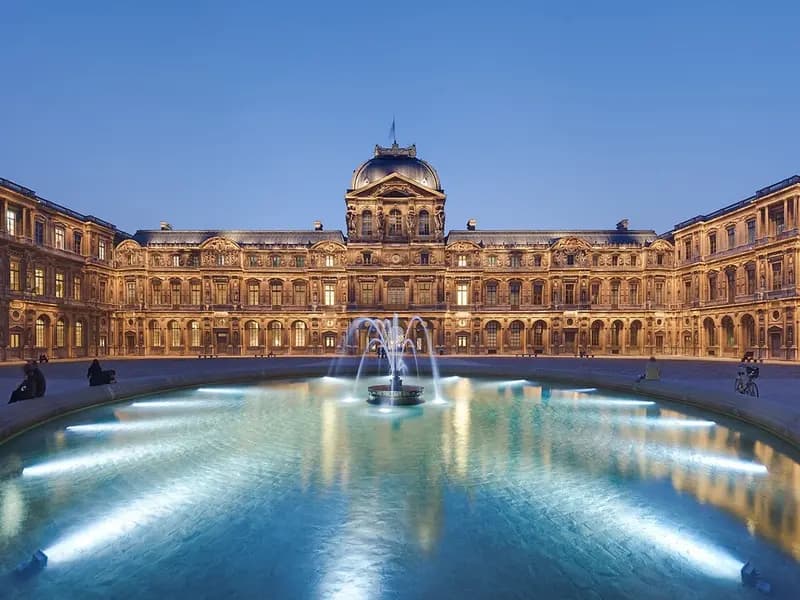
Louis Vuitton Closes Paris Fashion Week With Hovering Cars, Paper-Light Dresses and a Louvre Courtyard Cityscape
Oct 7, 2026/2 min read
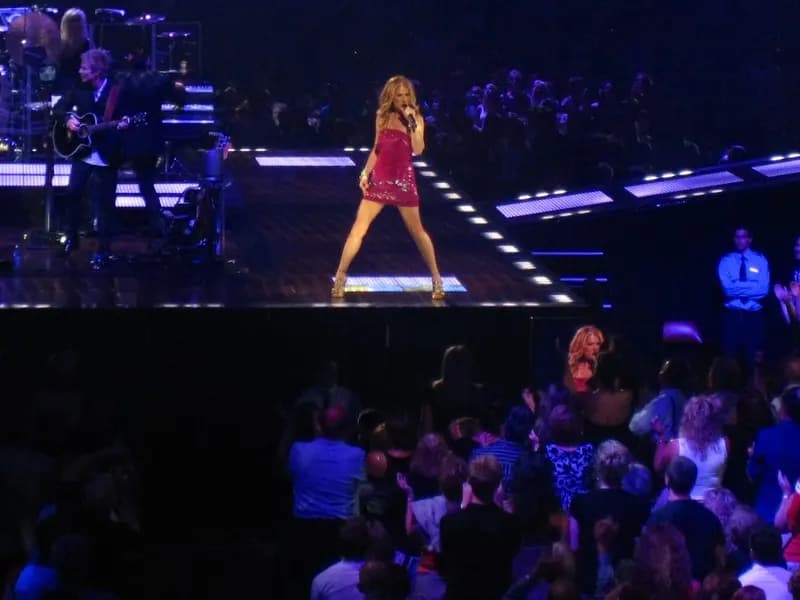
Celine Dion Made a Surprise Return to the Catwalk to Close L'Oreal's Paris Fashion Week Opening Show
Sep 29, 2026/2 min read