Seasick: What Works on a Boat, What Works Only on Land, and the Two Things That Make It Worse
The brain is receiving two accounts of the world, from the eyes and the inner ear, and they disagree. Fixing the disagreement fixes the sickness; most remedies just blunt the brain. Ginger is better than its reputation, wristbands are not.
Wednesday, June 12, 2024/3 min read
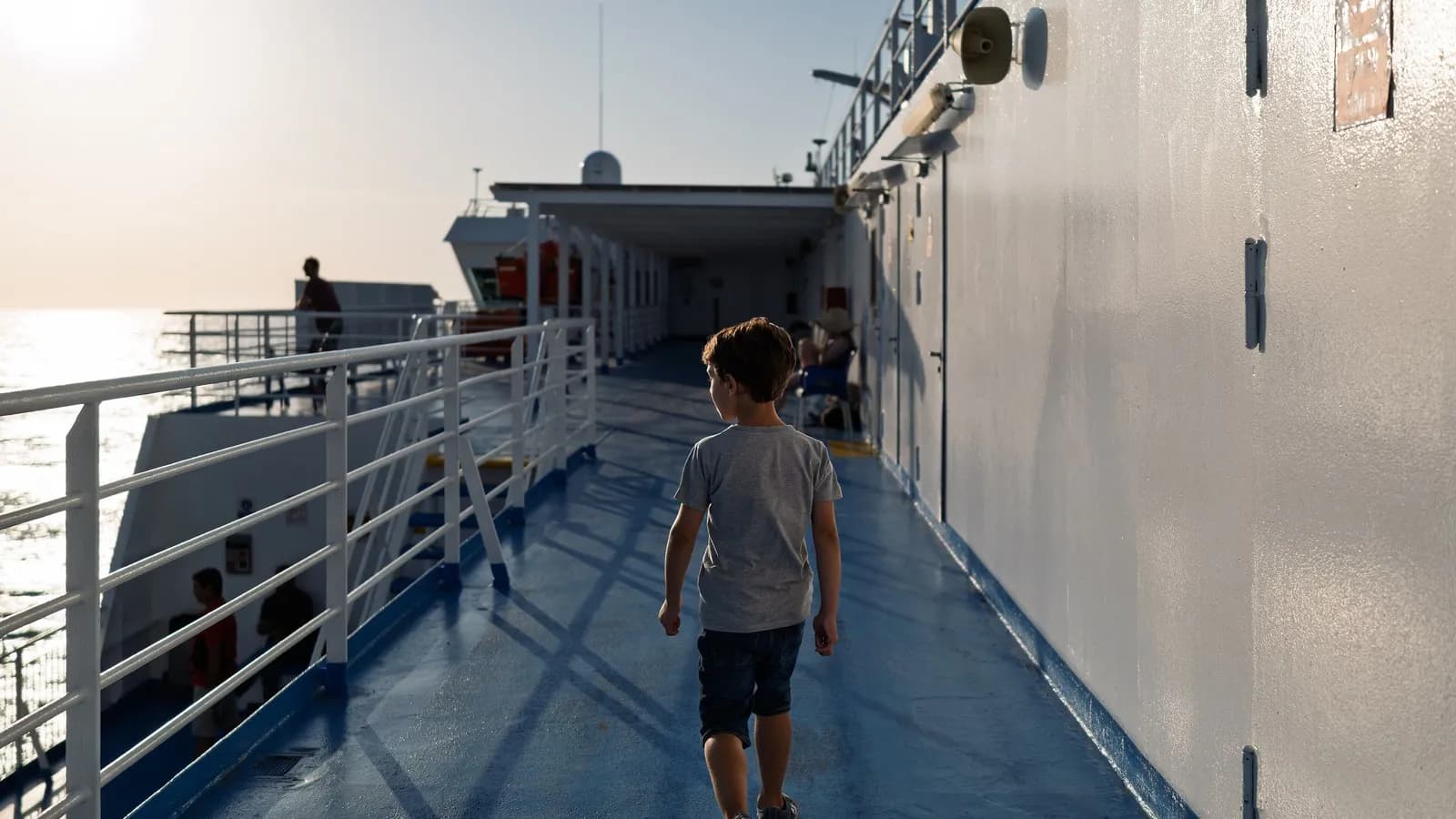
Seasickness happens because the inner ear reports that the body is moving, the eyes, fixed on a cabin wall or a phone, report that it is not, and the brain, faced with two senses that disagree, concludes it has been poisoned and empties the stomach. That theory, the sensory conflict theory, is not settled science but it predicts what helps remarkably well: almost everything that works either makes the two accounts agree or dulls the brain's response to the conflict. The NHS guidance is short and mostly right. Here is the longer version, for anyone who has ever spent a dive trip in the bow with a bucket.
What works on the boat
Go on deck, into the air, and look at the horizon. That gives the eyes a reference that moves with the inner ear and closes the conflict; it is the single most effective thing and costs nothing. Stay low and central, where the motion is least; the bow and the upper deck pitch most. Take the wheel if anyone will let you, since the person steering anticipates the motion and is almost never sick. Eat something small and bland before and during; an empty stomach is worse than a light one, and fizzy drinks and plain crackers are the sailor's staples for a reason. Lie down flat with eyes closed if it is already bad; horizontal, the inner ear's signal weakens.
What works if taken early
Antihistamine tablets, cinnarizine in Europe, dimenhydrinate or meclizine in the US, work for most people if taken an hour or two before sailing, and do almost nothing once nausea has started. They cause drowsiness in varying degrees; cinnarizine less than most. Hyoscine, as a tablet or a patch behind the ear, is the stronger drug and the drowsier and drier; the patch lasts three days and suits a liveaboard, and should go on the night before. Neither should be combined with alcohol, and neither is ideal for divers, who need to be alert; discuss with a dive doctor, and never try a new drug for the first time on a dive day. Divers Alert Network's resources cover the interaction with narcosis.
Ginger
Better than its reputation. Trials of ginger for motion sickness are small but mostly positive, and a gram or so of the root, as capsules, crystallised pieces or a strong tea, an hour before departure and again every few hours, helps many people with no drowsiness. It is the sensible first thing to try. Peppermint has less evidence and does no harm.
What does not
Acupressure wristbands have been tested repeatedly and perform at the level of placebo; the placebo effect is real, which is why people swear by them, and they are harmless, but do not rely on them for a crossing. Looking at a phone or a book is the fastest way to become ill, because it fixes the eyes on something that moves with the boat and not with the sea. Going below to lie down in a hot cabin with no horizon is the second fastest. Alcohol the night before lowers the threshold. Strong smells, diesel especially, do too; sit upwind of the exhaust.
Adaptation
Almost everyone adapts within two or three days at sea; the brain learns the new pattern and stops objecting. This is why crews are not seasick and why the first day of a week-long liveaboard is the worst. The reverse happens on landing, when the ground seems to sway, and passes in a day. People who never adapt are rare, and for them the choice of a larger, slower boat and a calmer season matters more than any tablet. Our liveaboard checklist covers what to ask before booking. Everyone else should take the ginger, skip the phone, and watch the horizon until it stops being an effort.
Published in The Outspoken Digest
Editorial desk
Outspoken Digest Health DeskMedicine, public health and the research behind the headlines, read carefully.
Newsletter
The Digest, in your inbox
One edition, sent when it is ready. No noise, and your address is never passed on.
Read Next
More Travel →
Hurricane Isaias Closes Gulf Coast Airports and Clears Alabama's Beaches as Airlines Waive Change Fees
Oct 8, 2026/3 min read

Oktoberfest 2026 Ended With a Record 7.4 Million Visitors, Beating the Previous High by 200,000
Oct 4, 2026/2 min read
Hawaii's 90-Foot Hōlei Sea Arch, About 550 Years Old, Collapsed Into the Pacific During Storm Nolo
Oct 3, 2026/2 min read