Authentic Lebanese Mujadara: Lentils and Rice Done Right
Master this beloved Lebanese pilaf of brown lentils, caramelized onions, and fluffy rice. A peasant dish elevated by technique and care.
Friday, September 15, 2023/3 min read
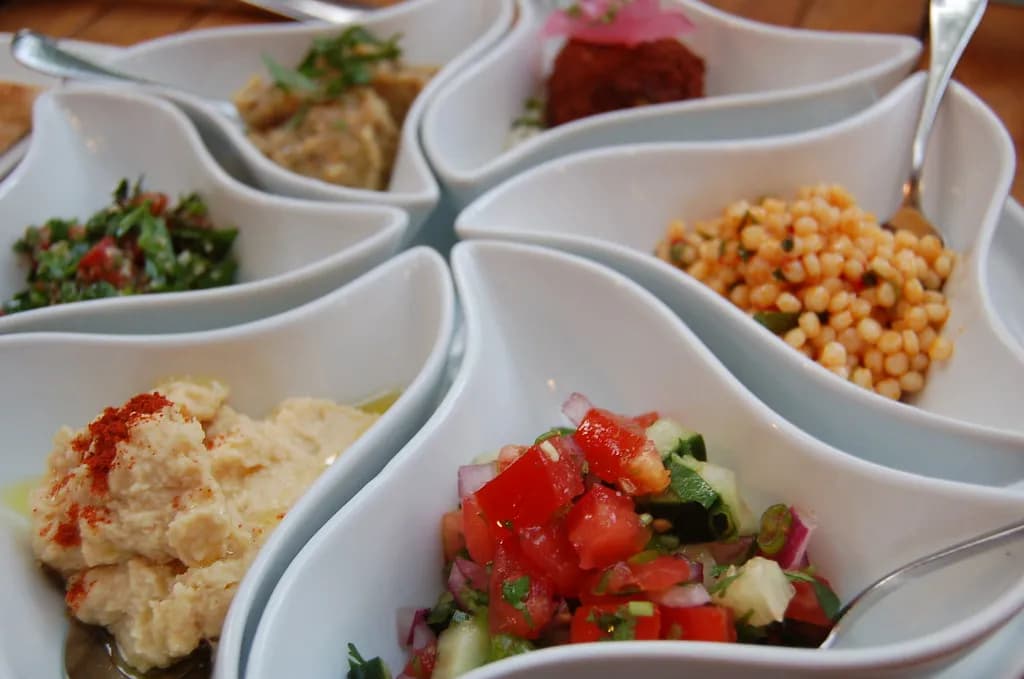
Mujadara is the kind of dish that whispers rather than shouts. Brown lentils and white rice disappear into each other with such completeness that you might not notice where one ends and the other begins, except for their subtle texture play. The real star, though, is the mountain of caramelized onions that crowns each plate, glossy and deeply golden, tasting of something between sweet and savory that takes time and patience to achieve. The Arabic word mujadara means "pockmarked," referring to the way lentils dot the surface like age spots on old hands.
This dish is peasant food in the truest sense, born from necessity and elevated through generations of Lebanese cooks who knew how to coax flavor from simple things. Mujadara has roots tracing back to medieval Iraq, first appearing in written form in a 1226 cookbook, but it has since become so embedded in Levantine kitchens that it feels indigenous to Lebanon itself. The beauty of mujadara lies not in exotic ingredients but in technique: the careful layering of flavors, the patience required for proper caramelization, and understanding that good food often emerges from restraint.
The warm, earthy quality of cooked lentils pairs perfectly with the sticky sweetness of caramelized onions, creating a dish that feels substantial without being heavy. This beloved Levantine staple combines brown lentils, white rice, and those crucial caramelized onions into a warming, nourishing meal that works as a side dish, a light lunch, or the centerpiece of a mezze spread.
Ingredients
Serves 4 to 6 as a main course or mezze. Total time: 1 hour 15 minutes, mostly hands-off cooking.
- 250 g brown lentils
- 200 g white long-grain rice
- 4 medium yellow onions, thinly sliced
- 100 ml olive oil, divided
- 750 ml vegetable or chicken stock
- 1 teaspoon cumin
- 1 teaspoon coriander
- 0.5 teaspoon allspice
- Salt and freshly ground black pepper to taste
- 2 tablespoons fresh mint (optional, for serving)
Method
- Rinse the lentils thoroughly under cold water until the water runs clear. Set aside. Rinse the rice once under cold water and drain well.
- Heat 60 ml of olive oil in a large, heavy-bottomed pot over medium-high heat. Add the sliced onions and a pinch of salt. Stir frequently for 30 to 40 minutes, until the onions have turned a deep golden brown and become completely softened. They should smell almost candy-like. This is the foundation of mujadara and cannot be rushed. If the onions brown too quickly, lower the heat slightly.
- Transfer half of the caramelized onions to a small bowl and reserve for garnish. Leave the other half in the pot.
- Add the rinsed lentils to the pot with the remaining onions. Stir well to combine, then toast for 2 to 3 minutes over medium heat. Add the cumin, coriander, and allspice, stirring continuously for 1 minute to bloom the spices.
- Pour in the stock and bring to a boil. Reduce heat to low, cover, and simmer for 20 minutes until the lentils have softened but still hold their shape. If the lentils are very hard, cook for 5 minutes longer.
- Stir in the rinsed rice, 40 ml of the reserved olive oil, and a generous pinch of salt. Cover and simmer over low heat for 18 to 20 minutes, until the rice is tender and all liquid has been absorbed. Do not stir once the rice goes in.
- Turn off the heat and let the pot sit, covered, for 5 minutes.
- Fluff the mujadara gently with a fork and transfer to a serving platter. Crown with the reserved caramelized onions, drizzle with the remaining olive oil, and scatter with fresh mint if using.
Serving and Storage
Mujadara is best served warm or at room temperature alongside yogurt, fresh tomatoes, and warm pita bread. Leftovers keep in the refrigerator for up to 5 days in an airtight container and reheat beautifully with a splash of water and a drizzle of olive oil. You can also make mujadara ahead of time for meal prep, as it actually improves as flavors meld. Some cooks add a handful of fresh cilantro or parsley to the reserved onions before serving, or finish with a squeeze of fresh lemon juice for brightness.
Understanding mujadara means understanding the Lebanese approach to cooking: that the most nourishing meals often come from knowing how to treat simple ingredients with respect and patience.
Published in The Outspoken Digest
Editorial desk
Outspoken Digest Food DeskCooking, ingredients, restaurants and the economics of what ends up on the table.
Newsletter
The Digest, in your inbox
One edition, sent when it is ready. No noise, and your address is never passed on.
Read Next
More Recipes →
Swangy Tamarind Glazed Chicken Wings for the Flavour Replacing Swicy on Fast Food Menus
Sep 29, 2026/3 min read

Baked Apple Cider Doughnuts for a Cider Season That Peaked Earlier Than the Calendar Says
Sep 29, 2026/3 min read


An Obatzda Bavarian Beer Cheese Dip for the Final Stretch of Oktoberfest 2026
Sep 29, 2026/3 min read