Mysore Pak for Diwali: The Ghee-Soaked Gram Flour Sweet Invented in a Palace Kitchen
Three ingredients, one sugar syrup and ten minutes of nerve: how to make Karnataka's royal sweet at home for 8 November, in a year when shop mithai costs 15 percent more.
Tuesday, November 3, 2026/4 min read
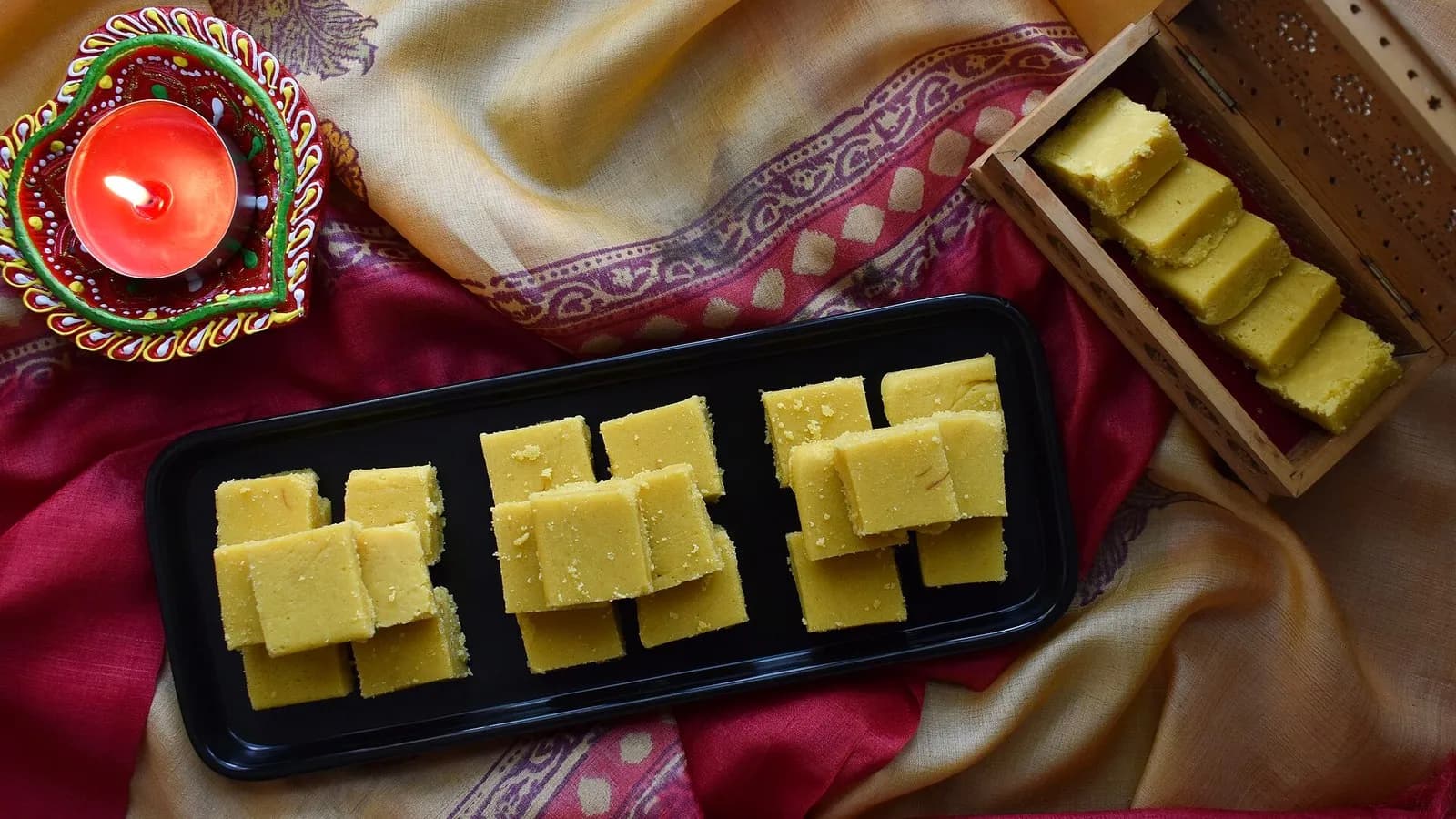
Diwali falls on Sunday 8 November, and in India this year the sweet box is dearer than it was. Lapaas Voice reported on 2 November that a Delhi sweet-shop chain had raised mithai prices by nearly 15 percent ahead of the festival, that a Jaipur maker was up 10 to 12 percent, and that pistachios had nearly doubled to between 1,500 and 2,100 rupees a kilo. Mysore pak needs no pistachios. It needs gram flour, sugar and ghee, which is why it is the sweet to make at home this week, and it has not fallen out of fashion: a dry-fruit Mysore pak sits in one of the hotel collections in Tatler Asia's Deepavali 2026 mithai box guide, published today.
The story of the sweet is a palace story. Live History India's account has a cook in the royal kitchens of Mysore, Kakasura Madappa, with the Maharaja's lunch ready and no dessert; he stirred gram flour into hot sugar syrup with ghee, served the soft, fudge-like result, and when the king asked what it was called, gave the first name that came to him: Mysore pak. The king is given as Krishnaraja Wodeyar, who lived from 1884 to 1940 and kept several kitchens at the Amba Vilas palace. Madappa's great-grandson Nataraj told The News Minute in 2016 that the pak comes from nalapaka, the Kannada word for the person who makes the sugar syrup, and that the family's Guru Sweet Mart has sold the original on Sayyaji Rao Road in Mysuru since 1957. The early record beyond the family is thin, as food histories usually are, but the shop is real and still queued for.
What the recipe actually is: a one-string sugar syrup, roasted gram flour beaten into it, and ghee added hot in stages until the mass swells, goes porous and lets go of the pan. Done soft it is dense and melting, with a faint nuttiness from the besan; done a few minutes longer it is crumbly and honeycombed, the shop style. Nobody should pretend it is health food. Gram flour has a respectable 22.4 g of protein per 100 g in the USDA record, but the sweet is two parts sugar and two parts ghee to one of flour, and a piece is a piece.
Ingredients
Makes about 20 pieces in a 20 cm square tin. About 35 minutes, plus 2 hours to set.
- 100 g besan (gram flour), sifted twice
- 200 g white sugar
- 100 ml water
- 200 g ghee, plus a little for the tin
- A quarter teaspoon ground cardamom, optional
Method
- Grease a 20 cm square tin with ghee and line the base with baking paper. Have everything measured and within reach; once the syrup is ready there is no time to look for a spoon.
- Melt the ghee in a small pan and keep it hot over the lowest heat. In a wide, heavy pan, toast the sifted besan over low heat for 4 to 5 minutes, stirring, until it smells nutty and loses its raw edge. Tip it into a bowl and whisk in 3 tablespoons of the hot ghee to a smooth, lump-free paste.
- Put the sugar and water in the same wide pan and heat, stirring until dissolved, then boil without stirring for 5 to 7 minutes until a drop pressed between wet finger and thumb pulls a single thread as you part them. That is the one-string stage, around 106C on a thermometer.
- Lower the heat to medium. Add the besan paste in three additions, whisking hard after each so the flour does not seize into lumps.
- Now add the hot ghee a ladle at a time, stirring constantly. Each addition will be absorbed within half a minute; add the next only when the surface looks dry again. This takes 8 to 10 minutes and the mixture will thicken, bubble and begin to froth.
- When the last of the ghee goes in, the mass will swell, turn porous and start to pull away from the sides of the pan in one piece, with a slight whitening at the edges. Stir in the cardamom. Do not wait beyond this point or it will set in the pan.
- Pour at once into the tin and shake it level rather than spreading, which would knock out the air. Leave for 5 minutes, then score into squares or fingers with a greased knife.
- Leave at room temperature for 2 hours until firm, then cut along the scores and turn out. The excess ghee that pools in the corners is normal; blot it with paper.
Tips, variations and storage
The ratio here, 1:2:2, gives the soft, ghee-rich palace style. For the drier, crumbly shop texture, cut the ghee to 150 g and cook for 2 minutes longer after the mass pulls away, until it looks like a wet honeycomb. If the syrup goes past one-string the sweet will be hard; if it has not reached it, the sweet will not set. Jaggery in place of sugar, with the same weight, gives a darker, mineral version that is popular in Tamil Nadu but sets a little softer.
Mysore pak keeps for 10 days in an airtight tin at room temperature and should not be refrigerated, which stiffens the ghee and dulls the flavour. It travels well, which is why it has always been a gifting sweet, and a tin of it wrapped in paper is a better present this Diwali than a box of pistachio barfi at this year's prices.
Guru Sweet Mart will have its queue on Sunday. For everyone else, a kilo of besan, a kilo of sugar and a tin of ghee make several trays, and the ten minutes of stirring are the part of the festival that nobody can buy.
Published in The Outspoken Digest
Editorial desk
Outspoken Digest Food DeskCooking, ingredients, restaurants and the economics of what ends up on the table.
Newsletter
The Digest, in your inbox
One edition, sent when it is ready. No noise, and your address is never passed on.
Read Next
More Recipes →
Diabetes-Friendly Tandoori Chicken With Raita and Kachumber: A Carb-Counted Main for Diwali Week
Nov 3, 2026/4 min read
Sugar-Free Pumpkin Pie With Allulose: A Thanksgiving Custard That Browns Like the Real Thing
Nov 3, 2026/4 min read
Vegan Pozole Rojo With Oyster Mushrooms: Mexico's Hominy Stew for World Vegan Month
Nov 3, 2026/4 min read
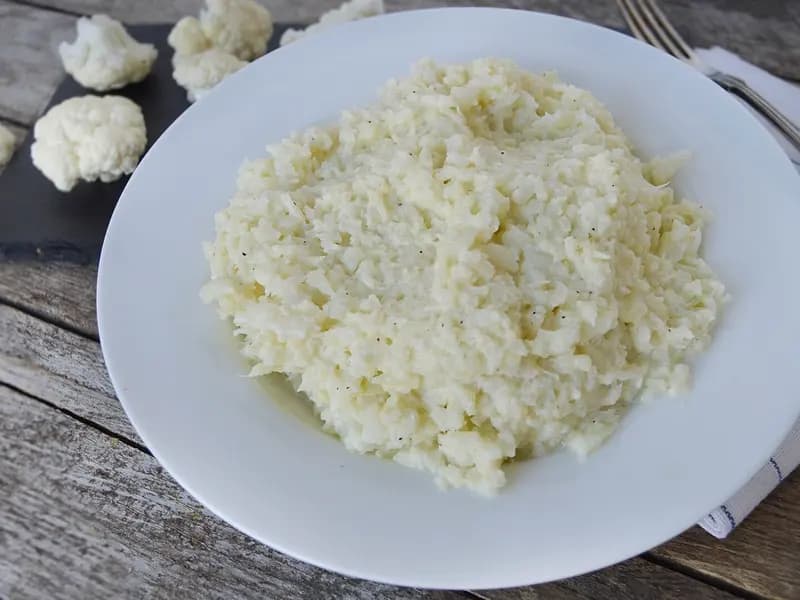
Keto Mashed Cauliflower for Thanksgiving: The Low-Carb Mash That Passes for Potatoes
Nov 3, 2026/3 min read