The Nepal Flood Toll Has Passed Nine Hundred, and More Than Four Thousand People Are Still Missing
At least 955 are confirmed dead and more than 4,400 listed missing after the glacier collapse of 26 August. It is Nepal's deadliest disaster since the 2015 earthquake, and the gap between those two numbers is the story.
Tuesday, September 1, 2026/4 min read
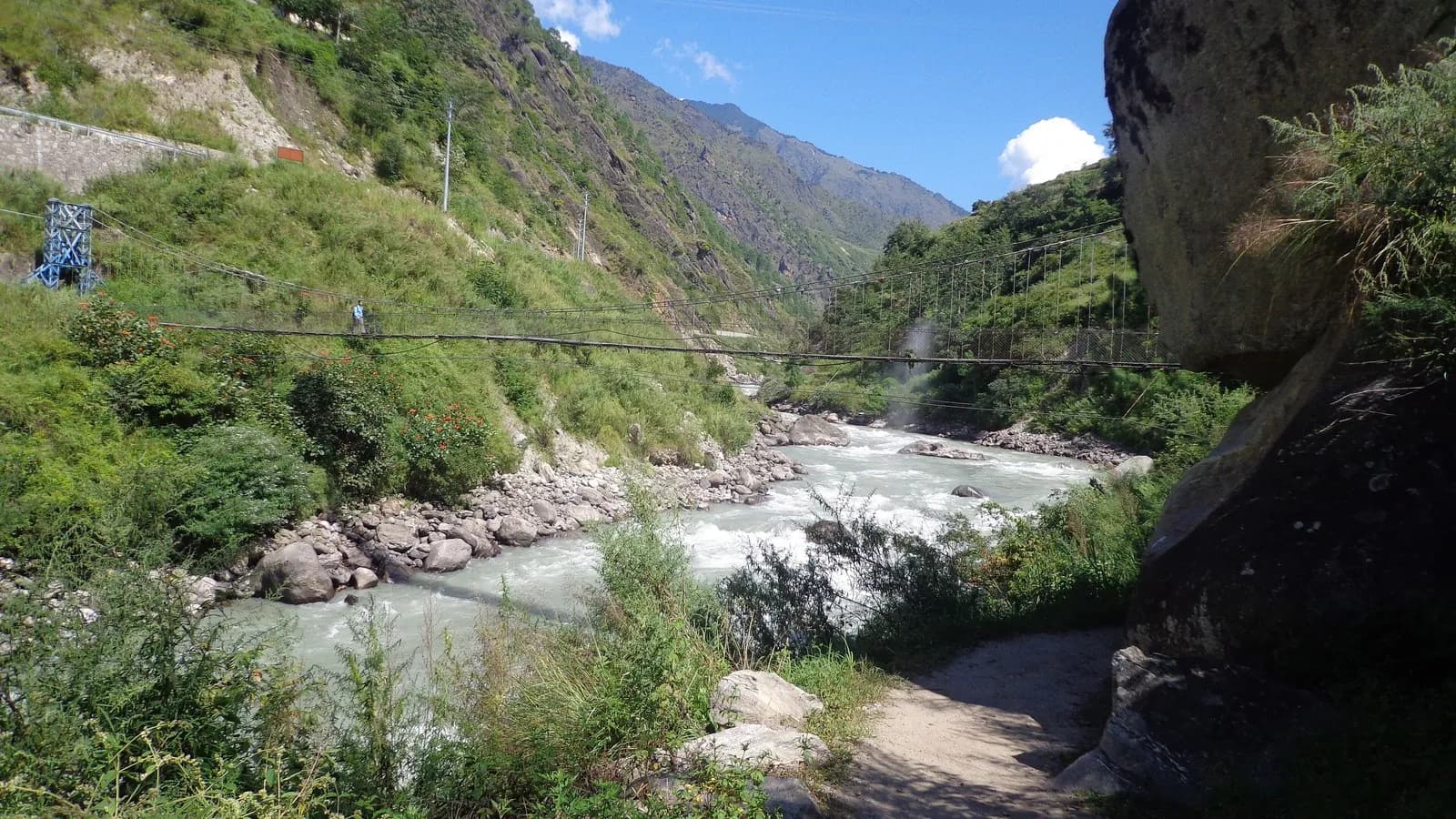
The confirmed death toll from the flooding on the Nepal and Tibet border has passed 955. More than 4,400 people are listed as missing.
Nepal's National Disaster Management Authority had recovered at least 939 bodies as of Monday and lists at least 3,925 people missing. On the Tibetan side, China's state news agency reports at least 16 dead and 546 missing. It is now Nepal's deadliest natural disaster since the 2015 earthquake, which killed around 9,000 people.
The two numbers do not mean what people assume
A missing list four times longer than a death toll does not mean four thousand more bodies.
It means a register that nobody has been able to reconcile. In a disaster of this shape the missing list is built from families reporting people they cannot reach, and it fills up faster than any authority can check it. It contains the dead. It also contains people who walked out of a valley on a different road, people sheltering somewhere without a phone, people counted twice under different spellings, and people who were never there.
That list will fall as well as rise. It is not a forecast of the final toll, and treating it as one has misled coverage of every large disaster of the last decade. What it is, accurately, is a measure of how many people the response has not yet accounted for, which is a statement about the response as much as about the flood.
Why the count is taking this long
Geography, and what the water did to the roads.
This began on 26 August with a glacier collapse and landslide, which we covered when the first figures were coming in from the Trishuli, in the account of how the valley was hit. A flood of that kind travels down a confined valley and takes out the one road along it, which is the same road any rescue has to use to get in.
So the search is being conducted in places that are reachable on foot or by helicopter, in terrain where a helicopter needs weather, in settlements whose population was never precisely known. Each of those alone slows a count. Together they mean the true scale arrives in weeks rather than days.
What the living need
This is where the story moves from counting to consequence, and where it will stay for months.
A United Nations assessment puts around 65,000 people in need of emergency water, sanitation and hygiene support, and more than 22,000 children in need of protection.
The water and sanitation number is the one that decides how many more people die. After a flood the immediate killer is drowning and impact trauma; the second wave is waterborne disease in displaced populations drinking from contaminated sources. That is a preventable death toll, and whether it happens is a function of how fast clean water and latrines arrive, not of anything the weather does next.
The child protection number is the one that gets least attention and lasts longest. It counts children separated from families in the chaos of an evacuation, and the window for reuniting them closes quickly.
The glacier part
A collapse of this kind is not a freak event any more, and saying so is not editorialising.
High mountain glaciers retreat, meltwater pools behind unstable natural dams of rock and ice, and those dams fail. The Himalaya has a growing inventory of such lakes, they are mapped, and the hazard is understood in the scientific literature well enough that the surprise is rarely the mechanism. The surprise is the timing, which nobody can give you.
What follows from that is unglamorous and it is the only thing that reduces a toll like this: monitoring the lakes that are known to be dangerous, and early warning systems downstream that give a valley minutes rather than none. Minutes are enough to get people uphill, for those who can move uphill unaided, and the people who cannot are the ones a warning system has to be designed around rather than the ones it fails. We looked at that planning gap in who gets left out of climate planning.
How to help without making it worse
Give money to organisations already operating in Nepal rather than goods.
Shipped goods arrive late, in the wrong sizes, and consume the one thing in shortest supply after a disaster, which is transport capacity on a damaged road network. Cash buys what is needed locally, supports local suppliers, and moves at the speed of a bank transfer.
And be careful with the missing figure when sharing anything about this. It is the number most likely to be quoted, most likely to change, and least likely to mean what it appears to mean.
Published in The Outspoken Digest
Editorial desk
Outspoken Digest News DeskReports for The Outspoken Digest across Latest Trends, Sports, Nutrition, Crypto.
Newsletter
The Digest, in your inbox
One edition, sent when it is ready. No noise, and your address is never passed on.
Read Next
More Latest Trends →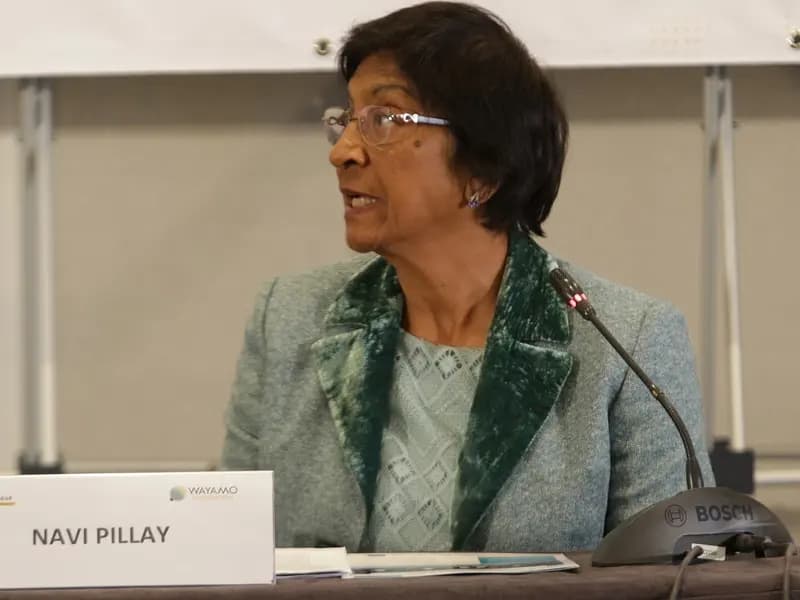
Navi Pillay, the South African Jurist Who Led the UN Gaza Inquiry, Wins the 2026 Nobel Peace Prize
Oct 9, 2026/3 min read
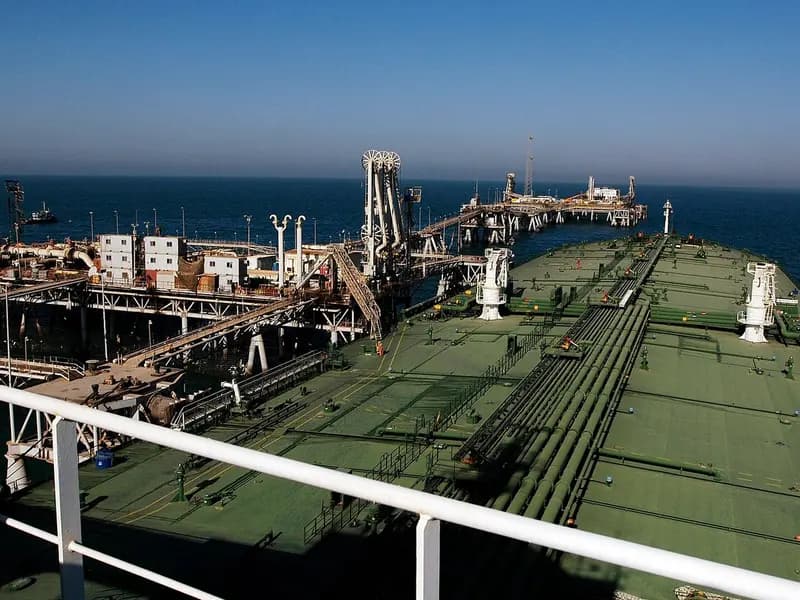
Trump Says the US Will Not Attack Iran Before the Midterms, While Tanker Attacks Cut Hormuz Traffic to a Two-Month Low
Oct 9, 2026/3 min read
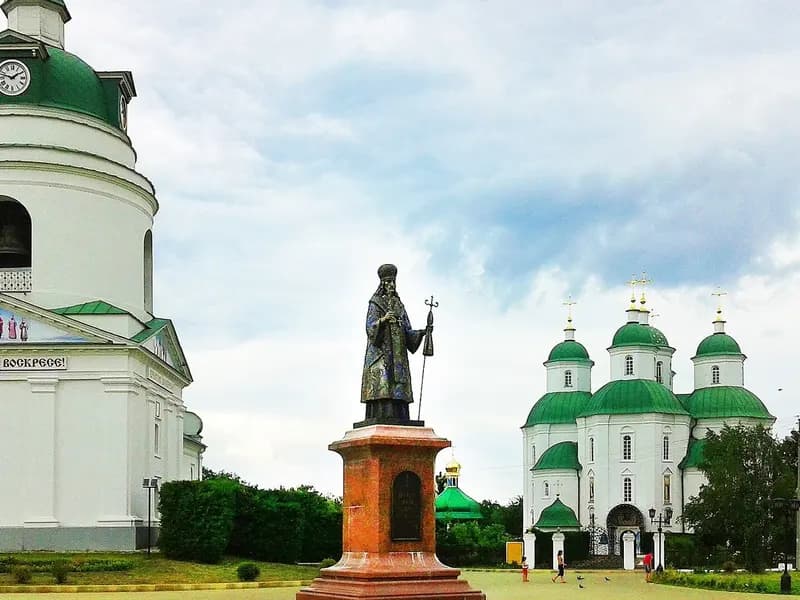
Russian Strikes Killed 22 in Pryluky and at Least 30 on Two Buses in Kramatorsk Within Two Days
Oct 9, 2026/2 min read
A Year After the Gaza Ceasefire, More Than 100 Aid and Rights Groups Say It Exists in Name Only
Oct 9, 2026/2 min read