New Zealand's Knife-Edge Election Leaves Luxon With 67 Seats, 400,000 Special Votes Uncounted and a Kingmaker
Saturday's vote gave the National-led coalition 67 of 131 seats, Labour's bloc 57 and the new Opportunity Party seven. Special votes and a 27 November final count decide who governs.
Sunday, November 8, 2026/2 min read
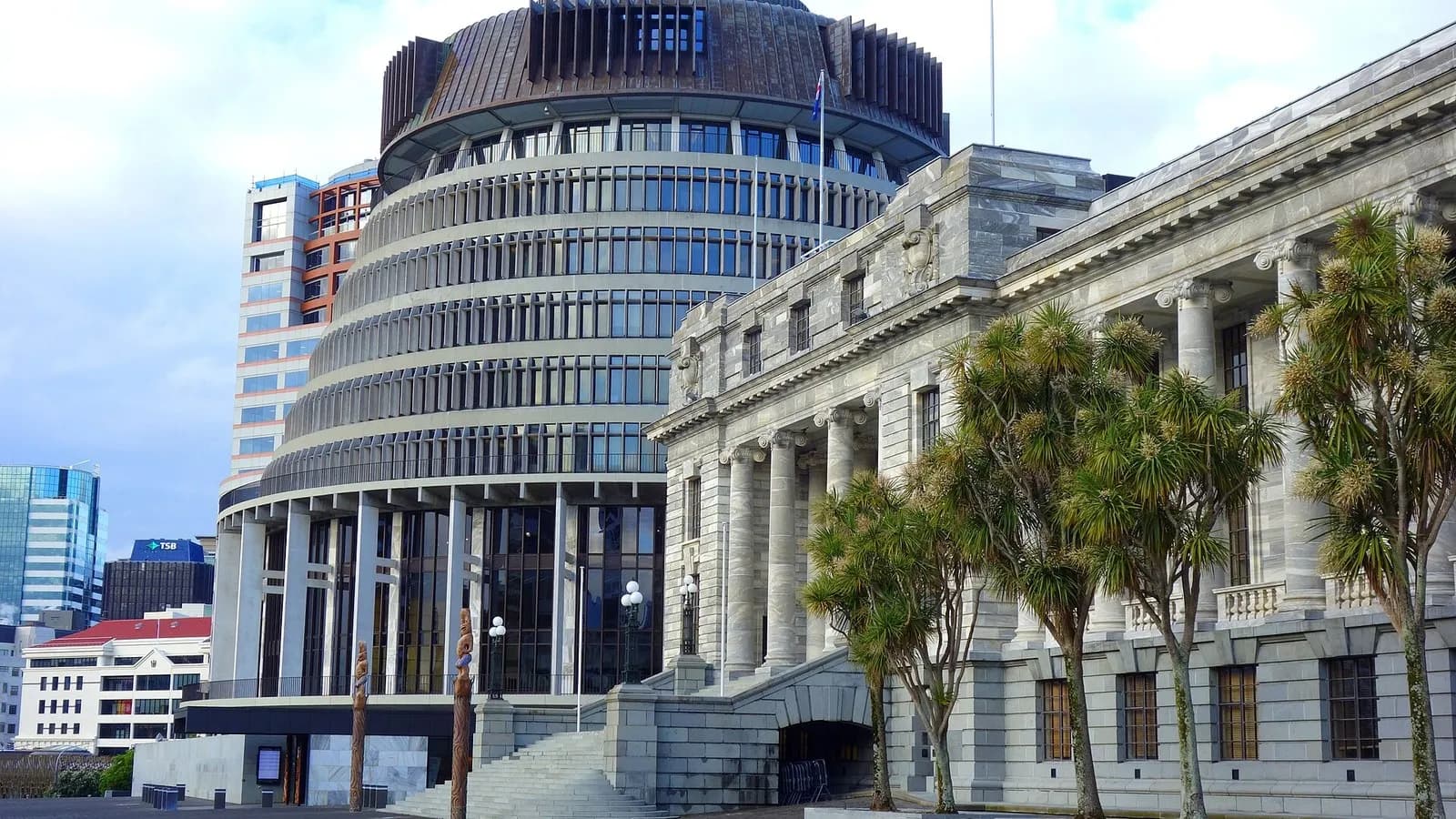
New Zealand woke on Sunday to an election it cannot yet call. The preliminary count from Saturday's vote gives Christopher Luxon's National, ACT and NZ First coalition 67 of 131 seats, but almost 400,000 special votes have still to be counted and a new centrist party holds seven seats of its own, France 24 reported.
Luxon says he has a mandate. Labour's Chris Hipkins joked that it "may take us a little bit longer" to work out what voters said. Luxon stays prime minister of a caretaker government until the official result on 27 November.
What are the preliminary results of the New Zealand election?
On the preliminary count, National has 42 seats, Labour 36, the Greens 16, ACT 13, NZ First 12, the Opportunity Party seven and Te Pati Maori five. That makes 67 seats for the governing right-wing bloc and 57 for Labour, the Greens and Te Pati Maori, with Opportunity outside both. The parliament is larger than the usual 120 because of overhang seats, with 131 on this count. National and Te Pati Maori won no list seats at all, the preliminary tables show, because they already won more electorate seats than their party votes entitled them to.
The party-vote table shows how close it was. According to the preliminary results compiled on Wikipedia, Labour took 29.4 percent and National 29.2 percent, then the Greens on 13.3, ACT on 10.9, NZ First on 9.78 and Opportunity on 5.96. Turnout was 74.58 percent.
How could special votes change the result?
The count so far excludes 399,365 special votes, about 14 percent of the total, which include ballots cast overseas and outside voters' home electorates. France 24 noted that these have historically leaned left and could hand Labour or the Greens an extra seat or two. Whether that is enough to move the arithmetic depends on how the overhangs fall, which is why nobody was willing to declare victory.
Who is the Opportunity Party and could it decide the government?
Opportunity is led by Qiulae Wong, a 38-year-old former consultant who took over the party about a year ago after answering a job advertisement, The Star reported before the vote. The party proposes a land-value tax and a citizen's income of NZ$19,400 for every adult, and it said it would talk first to the largest party after the election.
On the preliminary figures that is a live question, since Labour leads on party vote and National on seats. Luxon called it unlikely that he would need Opportunity, France 24 said, while adding that he is willing to work with the party where they agree.
For now the arithmetic is simple. The right has 67 seats it cannot yet be sure of, the left has 57 and needs help, and the last word belongs to a count that finishes on 27 November.
Published in The Outspoken Digest
Editorial desk
Outspoken Digest News DeskReports for The Outspoken Digest across Latest Trends, Sports, Nutrition, Crypto.
Newsletter
The Digest, in your inbox
One edition, sent when it is ready. No noise, and your address is never passed on.
Read Next
More Latest Trends →
Drone Strike on Iraq's Khor Mor Gas Field Plunges Most of Kurdistan Into Darkness as No One Claims It
Nov 9, 2026/2 min read

Congress Returns With Hegseth Impeachment Vote Expected, Leadership Fights and a December Funding Deadline
Nov 9, 2026/2 min read

Delhi's Air Is 'Very Poor' on Diwali Night at 371, With 20 Stations Severe as Fireworks Pick Up
Nov 8, 2026/2 min read
Magnitude 5.7 Earthquake Shakes Central Japan, Shattering Shop Windows and Injuring at Least 22
Nov 8, 2026/2 min read