Divers Pulled 1,400 Metres of Abandoned Fishing Net Off an Oman Beach After Six Sea Turtles Were Found Dead in It
Environment Authority divers working with volunteers from Divers Planet reached the site near Bimmah Beach at 7.30am on 23 September to find six turtles already dead, then spent hours retrieving two nets spanning 1,400 metres combined.
Sunday, September 27, 2026/3 min read
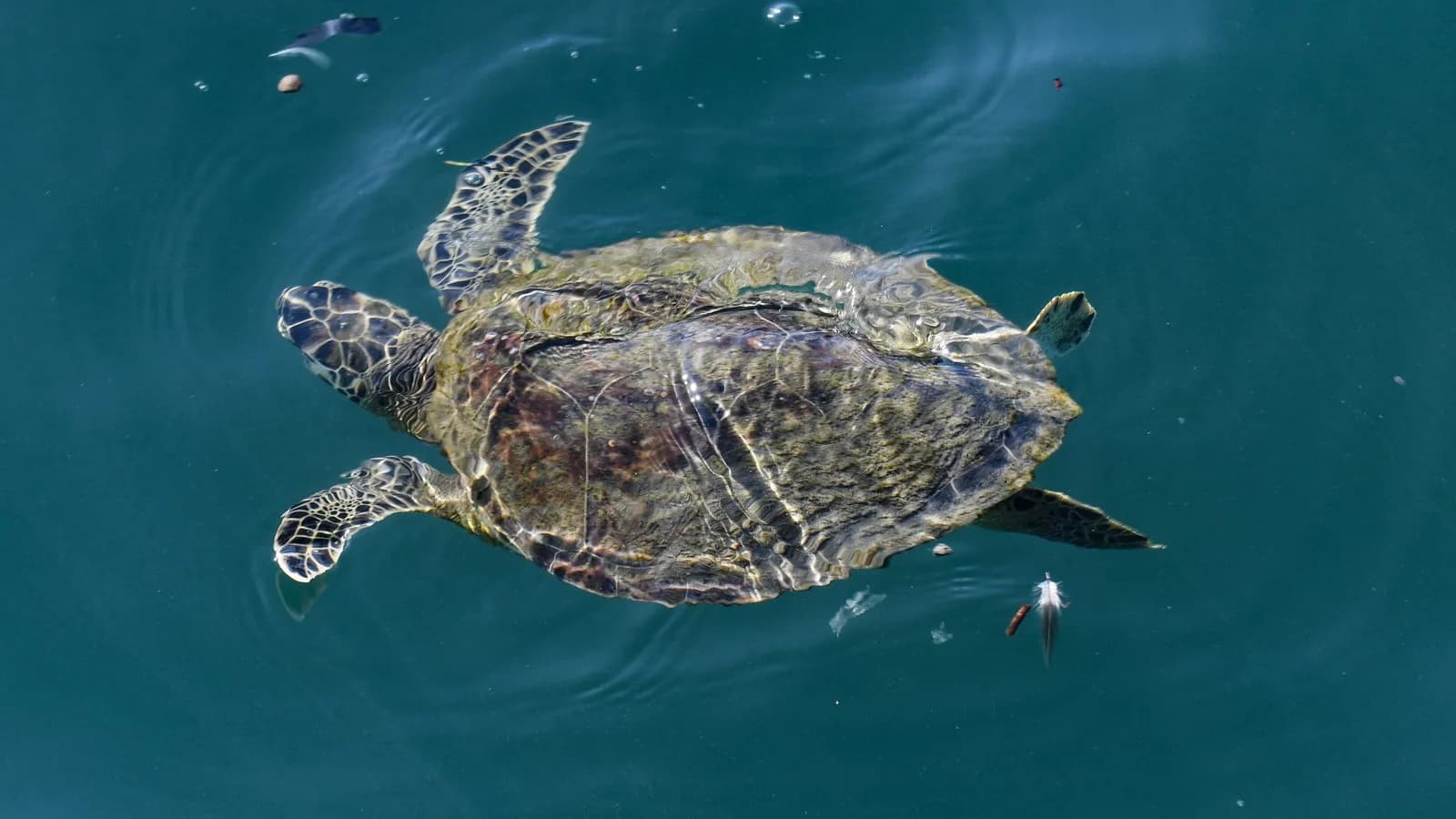
A rapid-response dive team from Oman's Environment Authority, working alongside volunteer divers from the Divers Planet Diving Center, spent hours underwater on 23 September retrieving two abandoned fishing nets spanning a combined 1,400 metres near Bimmah Beach, after finding six sea turtles already dead, entangled in the gear. The incident is reported by the Oman Observer and by The Scuba News, both detailing the scale of the netting removed and the outcome for the animals.
What the divers actually found
The site sits past Qurayat near the Sinkhole, a stretch of Oman's coast popular with divers and known for its underwater visibility, which is precisely what made the discovery of two large, drifting nets there so alarming to local dive operators who reported it. Yahya al Hooti of the Environment Authority's diving team said his team reached the location at 7.30am, but that by the time they arrived it was already too late for the turtles caught inside the netting, a detail that underscores how quickly an abandoned net left drifting or snagged on reef structure can become lethal to air-breathing marine reptiles that need to surface regularly to breathe.
Ghost gear, explained
Nets, lines and traps that are lost, cut loose in bad weather, or simply abandoned by fishing vessels do not stop functioning once nobody is tending them, a phenomenon marine conservationists call ghost fishing, and it is recognised globally as one of the more persistent, low-visibility threats facing sea turtles, sharks, rays and smaller reef fish alike. A drifting net can continue trapping animals indefinitely, entangling one creature after another over months or years, which is why removal rather than simply cutting a single animal free is the standard response once a ghost net is located.
Why it took a joint dive operation to clear it
Retrieving 1,400 metres of waterlogged netting, much of it likely tangled around coral structure or seabed features given the location's terrain, is not a task a single diver or boat crew can manage quickly or safely, which is why the Environment Authority brought in volunteer divers from a local commercial operation rather than working the site alone. The joint approach let the team recover both nets in full during a single operation, removing the immediate hazard from an area used by turtles and other marine life rather than leaving a partially cleared net to keep drifting and catching more animals later.
What officials are asking of fishing operators
Oman's Environment Authority has used the incident to renew calls to fishing operators to retrieve their own gear rather than abandon it when nets snag, tear or become too costly to recover through ordinary means, since even a single lost net can go on killing marine life for years after whoever lost it has moved on. Divers and dive operators working Oman's coast have increasingly become the practical early-warning system for ghost gear, given how much of the coastline's underwater terrain is otherwise unmonitored, and this incident is the latest case in which that informal network located and helped clear a hazard official patrols alone had not caught.
What happens to a coastline after a clearance like this
Removing the netting eliminates the specific, immediate entanglement risk at that stretch of coast, though it does nothing to address the gear already lost elsewhere along Oman's roughly 3,000 kilometres of coastline, a scale that makes systematic ghost net recovery an ongoing challenge rather than a problem any single operation can resolve. For the six turtles found dead near Bimmah Beach, the clearance came too late, but the Environment Authority and Divers Planet's response prevented what could otherwise have been a slower, larger toll on the same stretch of reef in the weeks ahead.
Published in The Outspoken Digest
Editorial desk
Outspoken Digest Diving DeskCovers freediving, recreational and technical diving, dive medicine and the incidents the sport learns from.
Newsletter
The Digest, in your inbox
One edition, sent when it is ready. No noise, and your address is never passed on.
Read Next
More Diving →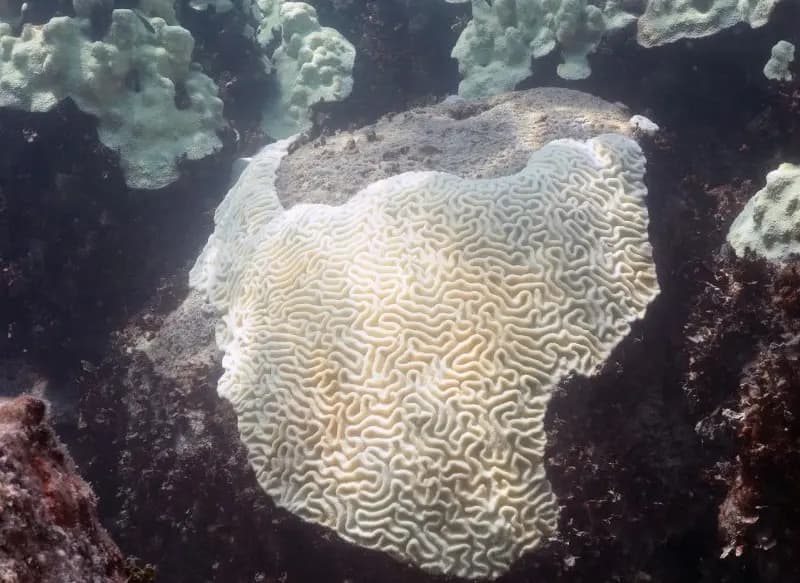
Bleached Corals Recovered After Touching a Healthy Clone, Stanford Lab Study Finds
Oct 15, 2026/2 min read
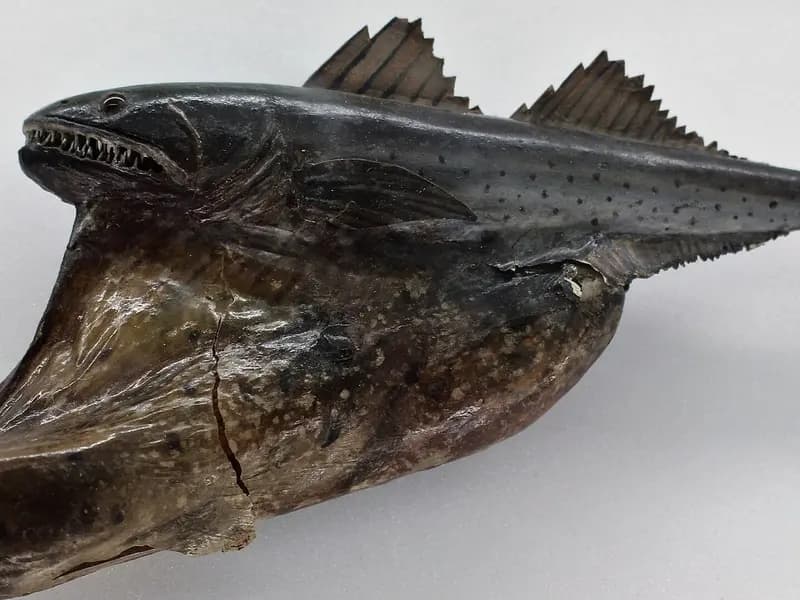
Black Swallower Filmed With a Hugely Swollen Belly 1,259 Metres Down Off Trinidad and Tobago
Oct 13, 2026/2 min read
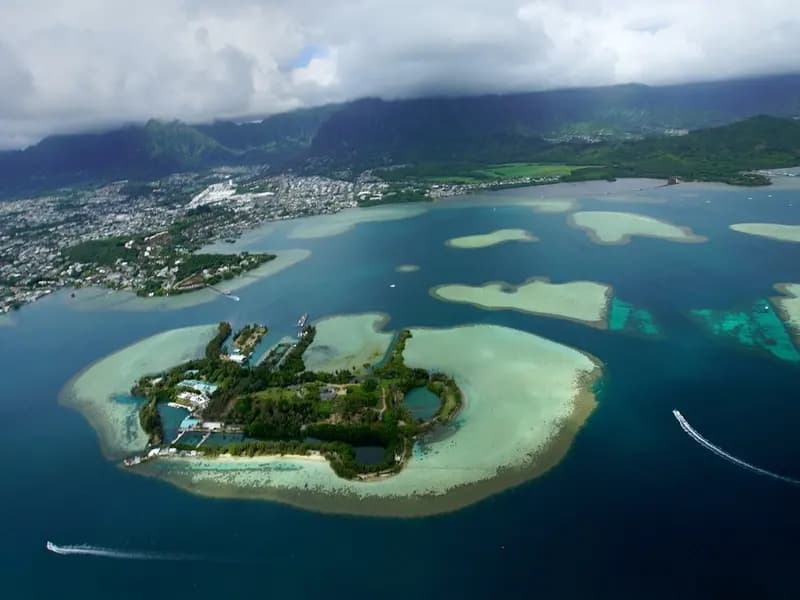
Playing Recordings of a Healthy Reef Drew More Coral and Fish Larvae to Artificial Structures Off Hawaii
Oct 9, 2026/3 min read
Blacktip Sharks Can Hear a Sound From Nearly 250 Feet Away and Swim Straight Toward or Away From It
Oct 1, 2026/2 min read