One-Pan Wonders: The Formula That Conquered Food Media
One sheet pan, 30 minutes, everything done. The one-pan dinner isn't just a trend, it's how America stopped cooking complicated meals.
Tuesday, April 22, 2025/4 min read
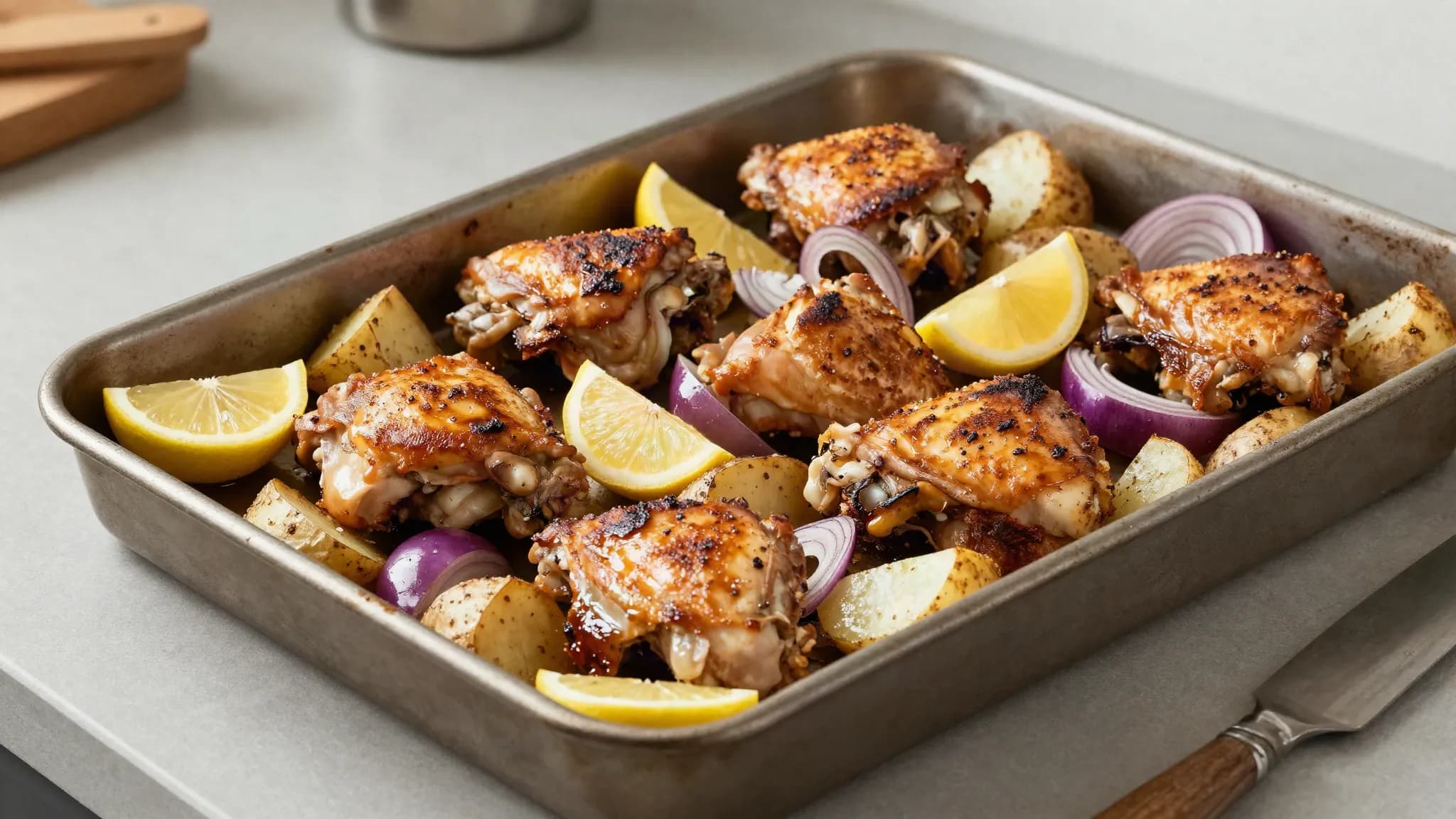
Somewhere between 2020 and 2025, a quiet revolution happened in American kitchens. The one-pan dinner stopped being something you settled for on nights you didn't feel like cooking and became the primary way people fed themselves. Food bloggers dedicated entire websites to it. America's Test Kitchen published "One-Pan Wonders" as if it were a revelation. Instagram filled with photos of sheet pans sliding out of ovens, everything golden and done in a single go.
The appeal is obvious. One pan means one dirty dish. The math is simple and seductive. You prep, you roast, you eat. No juggling multiple burners. No babysitting sauces. No stacking dishes that will annoy you at midnight. In a world where time feels more scarce than ever, the one-pan dinner promised something radical: a complete meal that actually takes less time and creates less mess than traditional cooking.
Why This Works
The one-pan formula succeeds because it removes decision-making friction. You're not choosing between three recipes. You're using a template that adapts to what's in your fridge. Protein, roasted vegetable, starch, and sauce go on one sheet pan at different times based on cooking speed. Everything gets hit with olive oil and seasoning. Into a 425-degree oven for 25 to 35 minutes. You check once. You eat.
The food media discovered what home cooks instinctively knew: this works because it respects the reality of weeknight cooking. You don't have time to make a pan sauce and roast vegetables while the protein cooks. But if everything lives on one sheet, the oven does the work for you. As multiple food writers have noted, you can customize your ingredients however you like and the basic formula never fails.
The Classic Formula: Roasted Chicken Thighs with Spring Vegetables
Here's how one-pan cooking actually works in practice. This recipe serves four people and takes approximately 35 minutes from prep to eating.
Ingredients
- 2 pounds bone-in, skin-on chicken thighs (about 6 to 8 pieces)
- 1 pound baby potatoes, halved
- 8 ounces asparagus, woody ends trimmed
- 1 medium red onion, cut into thick wedges
- 4 cloves garlic, minced
- 3 tablespoons olive oil
- 1 tablespoon fresh lemon juice
- 1 tablespoon Dijon mustard
- 2 teaspoons fresh thyme leaves (or 1 teaspoon dried)
- Kosher salt and ground black pepper
- Crushed red pepper flakes to taste
Process
Start by patting the chicken thighs dry with paper towels and positioning your oven rack to the middle position. Preheat your oven to 425 degrees Fahrenheit. While the oven heats, combine the olive oil, lemon juice, Dijon mustard, minced garlic, thyme, salt, pepper, and red pepper flakes in a small bowl. This becomes your marinade and sauce base.
On a large sheet pan, arrange the halved potatoes and onion wedges in an even layer, spacing them out. Toss them with half of the oil mixture and season with additional salt and pepper. Spread them to the edges of the pan, creating space in the center for the chicken. Place the chicken thighs skin-side up in that center space and brush them generously with the remaining oil mixture. Season the chicken with salt and pepper.
Roast for 20 minutes without opening the oven door. This is important. You want the potatoes and chicken to develop a golden exterior without the oven cooling down. After 20 minutes, open the oven and add the asparagus to the pan, nestling it among the vegetables. Stir the potatoes slightly to prevent sticking, but don't move the chicken around. Roast for another 12 to 15 minutes, until the chicken reaches 165 degrees Fahrenheit at the thickest part of the thigh and the skin is deeply golden.
Remove from the oven and let rest for 3 minutes. This resting period lets the juices redistribute, keeping the meat moist. Taste the vegetables and chicken, adjusting seasoning if needed. Everything comes off the pan onto plates, and you're done. One sheet pan. Three component sides. One protein. Complete meal.
Why This Formula Scales
The beauty of the one-pan formula is that it adapts to what you actually have on hand. Chicken thighs can become salmon fillets, lamb chops, or sausages. Potatoes can be carrots, Brussels sprouts, or a combination. Asparagus can become green beans, broccoli, or summer squash. The cooking time might shift by a few minutes, but the formula holds. This flexibility made it perfect for food media, which could publish dozens of variations on the same basic template.
Weeknight cooking doesn't require inspiration; it requires reliability. The one-pan dinner delivers both. You can make it with things in your pantry. You can make it on nights when you're exhausted. You can make it and have one dish to wash, which in 2025 feels like luxury.
The Cleanup Revolution
The one-pan meal's rise represents something deeper than just a cooking trend. It's a rejection of complexity for its own sake. It's a statement that a good dinner doesn't require performing elaborate kitchen choreography. It's an acknowledgment that most of us would rather eat at 7 PM than spend three hours cooking.
Food media discovered that people didn't want more challenging recipes. They wanted faster cleanup. They wanted fewer decisions. They wanted to cook something that tasted good without stressing. The one-pan dinner delivered all three, which explains why it's now the template most home cooks return to most nights.
Reporting sources: Easy Sheet Pan Dinners to Make Tonight - Quick, One-Pan Meals, 32 Easy One-Pan Dinner Recipes for Busy Weeknights, 10 Easy One-Pan Dinners Ready in 20 Minutes or Less, 42 Best Sheet-Pan Dinner Recipes for an Easy Dinner Tonight.
Published in The Outspoken Digest
Editorial desk
Outspoken Digest Culture DeskReports for The Outspoken Digest across Lifestyle, Design, Fashion, Latest Trends.
Newsletter
The Digest, in your inbox
One edition, sent when it is ready. No noise, and your address is never passed on.
Read Next
More Recipes →
Swangy Tamarind Glazed Chicken Wings for the Flavour Replacing Swicy on Fast Food Menus
Sep 29, 2026/3 min read

Baked Apple Cider Doughnuts for a Cider Season That Peaked Earlier Than the Calendar Says
Sep 29, 2026/3 min read
An Obatzda Bavarian Beer Cheese Dip for the Final Stretch of Oktoberfest 2026
Sep 29, 2026/3 min read