One-Pot Red Lentil Dal: Spiced, Creamy Comfort
Indian dal elevated with warm spices and a sizzling tadka. A vegetarian classic that cooks in 40 minutes, feeds a family, costs almost nothing.
Thursday, April 18, 2024/3 min read
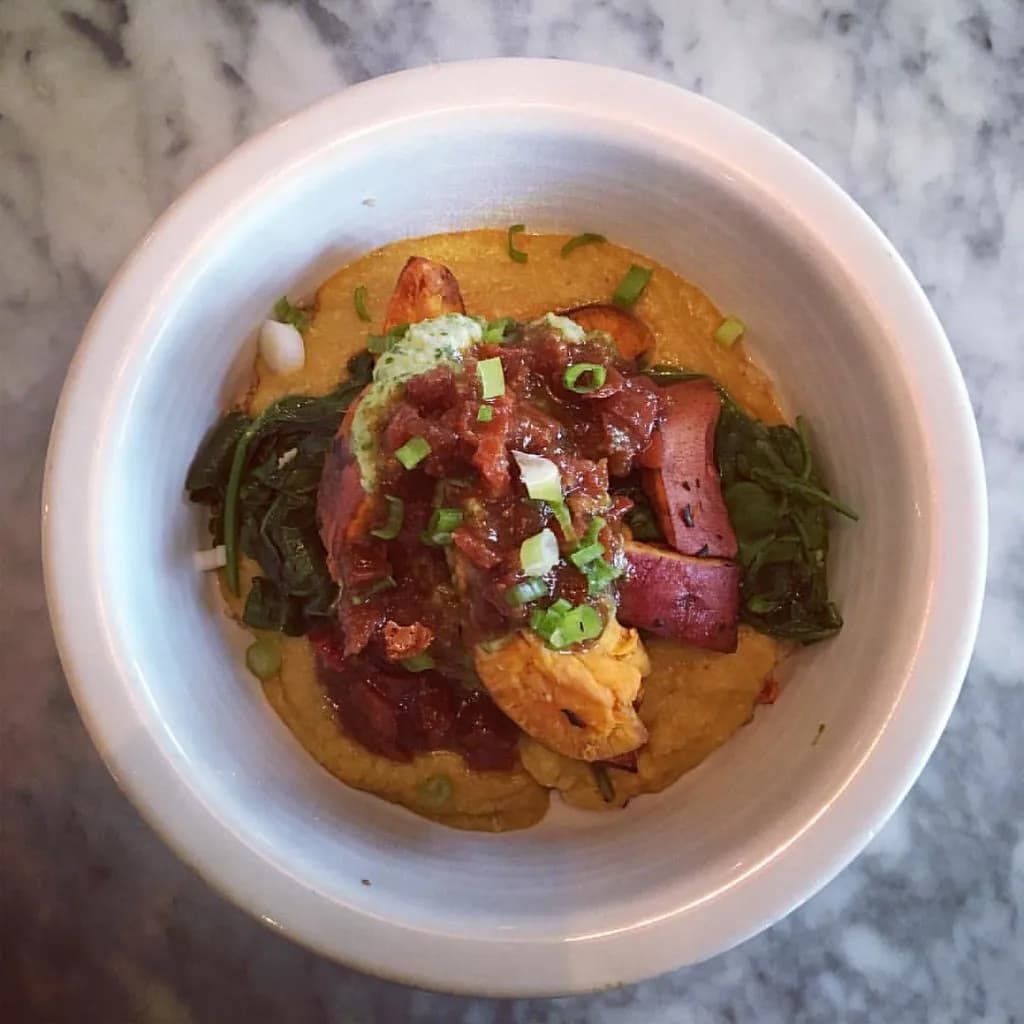
Red lentil dal is the soul of Indian home cooking: humble lentils transformed through heat, time, and a handful of spices into something profound. The dal itself is gentle and forgiving, breaking down into a soft, creamy mass as it simmers. The tadka, that crucial finishing step of spices bloomed in hot oil, is where the dish finds its character. Without the tadka, you have cooked lentils; with it, you have dal.
The cooking technique is deceptively simple but requires attention. Tea for Turmeric's guide emphasizes that red lentils break down during cooking, which naturally creates that prized creamy texture through their own starches without cream or butter. Swasthi's Recipes details the traditional tadka method, where mustard seeds are bloomed in hot oil until they pop, then combined with other aromatics and poured directly into the dal, infusing the entire pot. A brief soak before cooking accelerates the process and ensures even cooking, though it's optional for weeknight cooking.
This dal freezes beautifully, serving double duty as both comfort food and bargain meal prep. Serve over rice, with flatbread, or simply in a bowl with a dollop of vegan yogurt and cilantro scattered across the top.
Ingredients
Serves 4 as a main with rice. Total time: 45 minutes.
- 200 g red lentils, rinsed
- 800 ml water or vegetable broth
- 1 medium onion, diced
- 30 g garlic, minced
- 20 g fresh ginger, minced
- 1 medium tomato, diced (or 100 ml canned crushed tomatoes)
- 5 g turmeric powder
- 5 g cumin seeds
- 5 g coriander powder
- 2 g garam masala
- 2 dried red chilies, whole
- 15 ml coconut oil (or vegetable oil)
- 2 g asafoetida (hing, optional but traditional)
- 10 g fresh curry leaves
- 5 g salt, or to taste
- 30 ml fresh lemon juice
- 10 g fresh cilantro, chopped
Method
- Rinse red lentils under cold water until the water runs mostly clear. This removes excess starch and promotes even cooking.
- In a large pot, bring 800 ml water (or broth) to a boil. Add rinsed lentils, turmeric powder, and salt. Stir well, reduce heat to low, and simmer partially covered (lid cracked) for 20 to 30 minutes, stirring occasionally, until lentils are very soft and beginning to break down.
- While lentils cook, prepare the base by heating 10 ml of coconut oil in a separate small pan over medium heat. Add diced onion and cook until softened and light golden, about 5 minutes. Add minced garlic and ginger, stirring constantly for 1 minute until fragrant.
- Add coriander powder, cumin seeds, and dried red chilies to the onion mixture. Toast for 30 seconds, then add diced tomato. Cook for 2 to 3 minutes until the tomato begins to soften. Transfer this base into the cooked lentils, stirring well to combine.
- Stir in garam masala and adjust salt to taste. Simmer for 2 more minutes.
- Make the tadka: heat remaining 5 ml coconut oil in a small pan over high heat. When the oil shimmers, add asafoetida if using (it will sizzle), then immediately add curry leaves and watch for the first mustard seed to pop. Turn off the heat and carefully pour the tadka into the center of the dal, stirring quickly. The dal will bubble and release fragrant steam.
- Stir in lemon juice and sprinkle with fresh cilantro. Taste and adjust seasonings.
Serving and Storage
Serve dal with steamed basmati rice, warm naan, or simply spooned into bowls with a dollop of vegan yogurt and cilantro. Leftover dal keeps refrigerated for up to five days and actually improves as flavors deepen. Freeze in portions for up to three months. When reheating, add a splash of water and warm gently on the stove, stirring in a fresh tadka for maximum flavor impact.
Dal reminds us that the most sustaining foods are often the simplest. Every bowl carries centuries of culinary tradition while requiring only what most pantries already hold.
Published in The Outspoken Digest
Editorial desk
Outspoken Digest Food DeskCooking, ingredients, restaurants and the economics of what ends up on the table.
Newsletter
The Digest, in your inbox
One edition, sent when it is ready. No noise, and your address is never passed on.
Read Next
More Recipes →
Swangy Tamarind Glazed Chicken Wings for the Flavour Replacing Swicy on Fast Food Menus
Sep 29, 2026/3 min read

Baked Apple Cider Doughnuts for a Cider Season That Peaked Earlier Than the Calendar Says
Sep 29, 2026/3 min read
An Obatzda Bavarian Beer Cheese Dip for the Final Stretch of Oktoberfest 2026
Sep 29, 2026/3 min read