Pad Thai: Government-Made National Noodle
Thailand's national dish with a surprising history: born during wartime, promoted by government decree, now the world's favorite Southeast Asian noodle.
Tuesday, January 23, 2024/3 min read
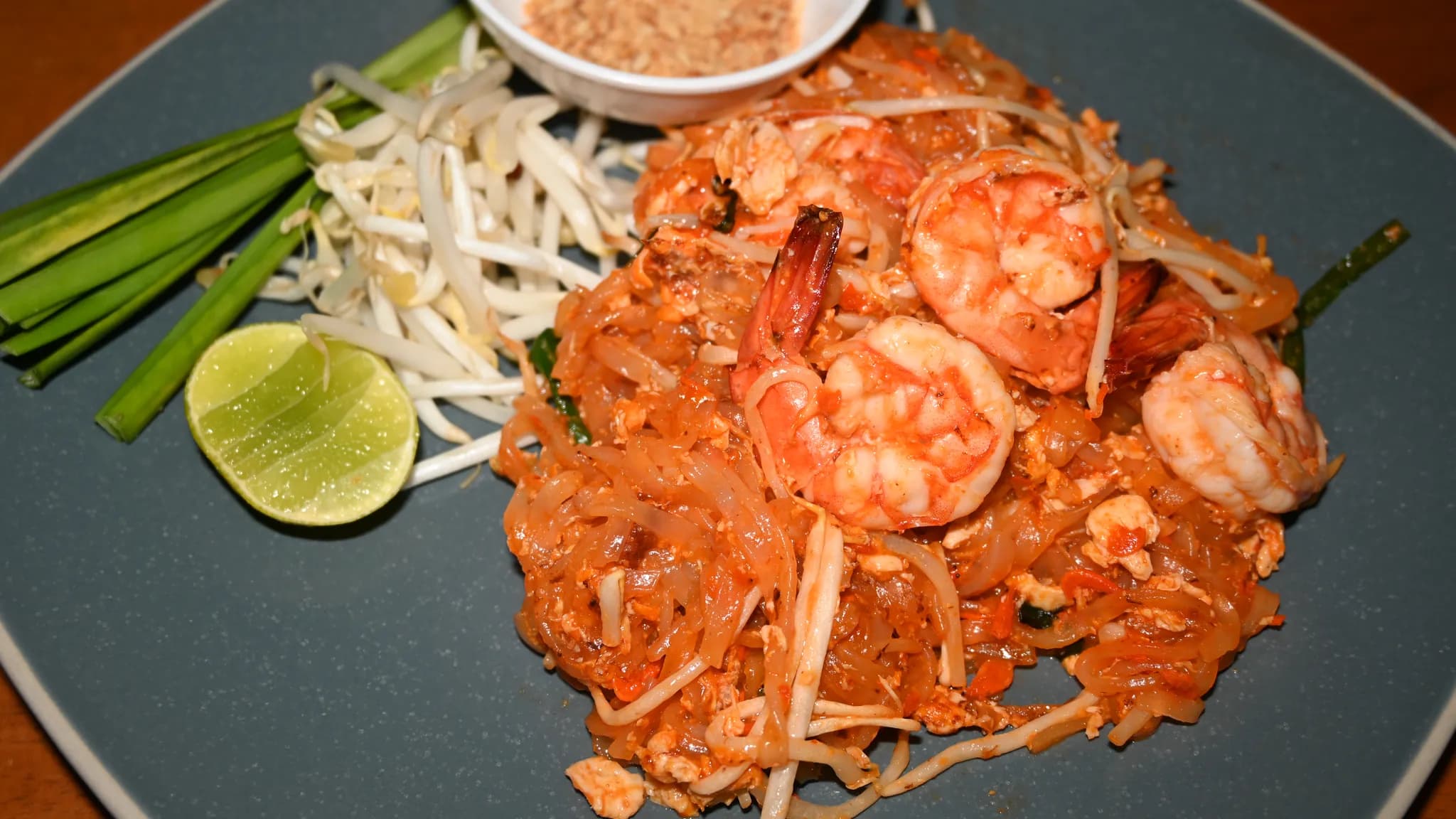
Pad Thai is not ancient. It is not a recipe passed down through countless generations in a Chiang Mai kitchen. Instead, pad Thai is a deliberate invention, born from wartime scarcity and government ambition. During World War II, Thailand faced rice shortages due to crop failures and flooding, prompting Prime Minister Plaek Phibunsonghram to promote noodles as a way to preserve grain supplies. A stir-fried noodle dish, already present in Thailand through Chinese immigration, was rebranded and positioned as a national symbol.
The government launched a campaign to turn what had been seen as Chinese food into a distinctly Thai one. Street vendors were mobilized, recipes were standardized, the dish was renamed Pad Thai. What began as nutritional pragmatism became cultural identity, one of the world's earliest and most successful examples of government-designed national cuisine. The genius is that by the time people realized the dish was invented yesterday, they had already loved it for years.
Today, pad Thai tastes like home to millions. The balance of sweet, sour, salty, and spicy in a single plate, the texture of rice noodles against vegetables and protein, the brightness of lime and peanuts at the finish, makes it feel inevitable, timeless. Few dishes have managed such a complete reinvention of their own story.
Ingredients
Serves 2-3. Total time: 20 minutes.
- 250 g dried rice noodles (about 5 mm wide)
- 3 tablespoons tamarind paste (or 2 tablespoons tamarind concentrate)
- 3 tablespoons fish sauce
- 1 tablespoon palm sugar (or brown sugar)
- 3 tablespoons vegetable oil
- 2 cloves garlic, minced
- 150 g shrimp (or chicken breast, thinly sliced)
- 2 large eggs
- 1 red bell pepper, cut into thin strips
- 1 cup fresh bean sprouts
- 3 green onions, cut into 5 cm lengths
- 50 g roasted peanuts, roughly chopped
- Lime wedges for serving
- Dried red chili flakes (optional, for heat)
Method
- Soak the rice noodles in room temperature water for 30-40 minutes until softened but still with a slight firmness. Drain well before cooking.
- In a small bowl, whisk together tamarind paste, fish sauce, and palm sugar. Taste and adjust as needed (it should be balanced between tart, salty, and sweet).
- Heat oil in a large wok or skillet over medium-high heat. Add minced garlic and stir-fry for 20 seconds until fragrant.
- Add the shrimp (or chicken) and cook, stirring, until just cooked through, about 2-3 minutes. Push to the side of the wok.
- Crack the eggs into the empty space and scramble gently, breaking them into small pieces. Once set, mix with the protein.
- Add the drained noodles to the wok, tossing constantly. Pour the tamarind-fish sauce mixture over the noodles and continue tossing for 2-3 minutes until well coated and heated through.
- Add the bell pepper, bean sprouts, and green onions. Toss everything together for 1-2 minutes until the vegetables are just tender but still crisp.
- Remove from heat. Top with chopped peanuts and serve immediately with lime wedges and chili flakes on the side.
Tips and Variations
The most common mistake is over-soaking the noodles, which makes them mushy. They should be pliable but still have some structure before they hit the wok. If tamarind paste is unavailable, a combination of lime juice and a touch of sugar can substitute, though the flavor will be slightly different. Many cooks add a small handful of cashews alongside the peanuts, or a teaspoon of shrimp paste (kapi) for deeper umami. The dish is best eaten immediately; it does not reheat well.
Pad Thai teaches us that a dish does not need an ancient pedigree to be authentic. Sometimes authenticity is decided by intention, by a nation saying: this is us now. And the world agreeing.
Published in The Outspoken Digest
Editorial desk
Outspoken Digest Food DeskCooking, ingredients, restaurants and the economics of what ends up on the table.
Newsletter
The Digest, in your inbox
One edition, sent when it is ready. No noise, and your address is never passed on.
Read Next
More Recipes →
Swangy Tamarind Glazed Chicken Wings for the Flavour Replacing Swicy on Fast Food Menus
Sep 29, 2026/3 min read

Baked Apple Cider Doughnuts for a Cider Season That Peaked Earlier Than the Calendar Says
Sep 29, 2026/3 min read
An Obatzda Bavarian Beer Cheese Dip for the Final Stretch of Oktoberfest 2026
Sep 29, 2026/3 min read