A Paris Exhibition of 350 Objects Traces How 19th-Century Women Used Trousers, Ties and Top Hats to Claim Independence
Opening at the Palais Galliera on 26 September, 'A Wardrobe of One's Own' uses garments once worn by Marie-Antoinette, George Sand and Rosa Bonheur alongside anonymous amateur photographs to show how borrowed menswear became a tool of emancipation.
Sunday, September 27, 2026/2 min read
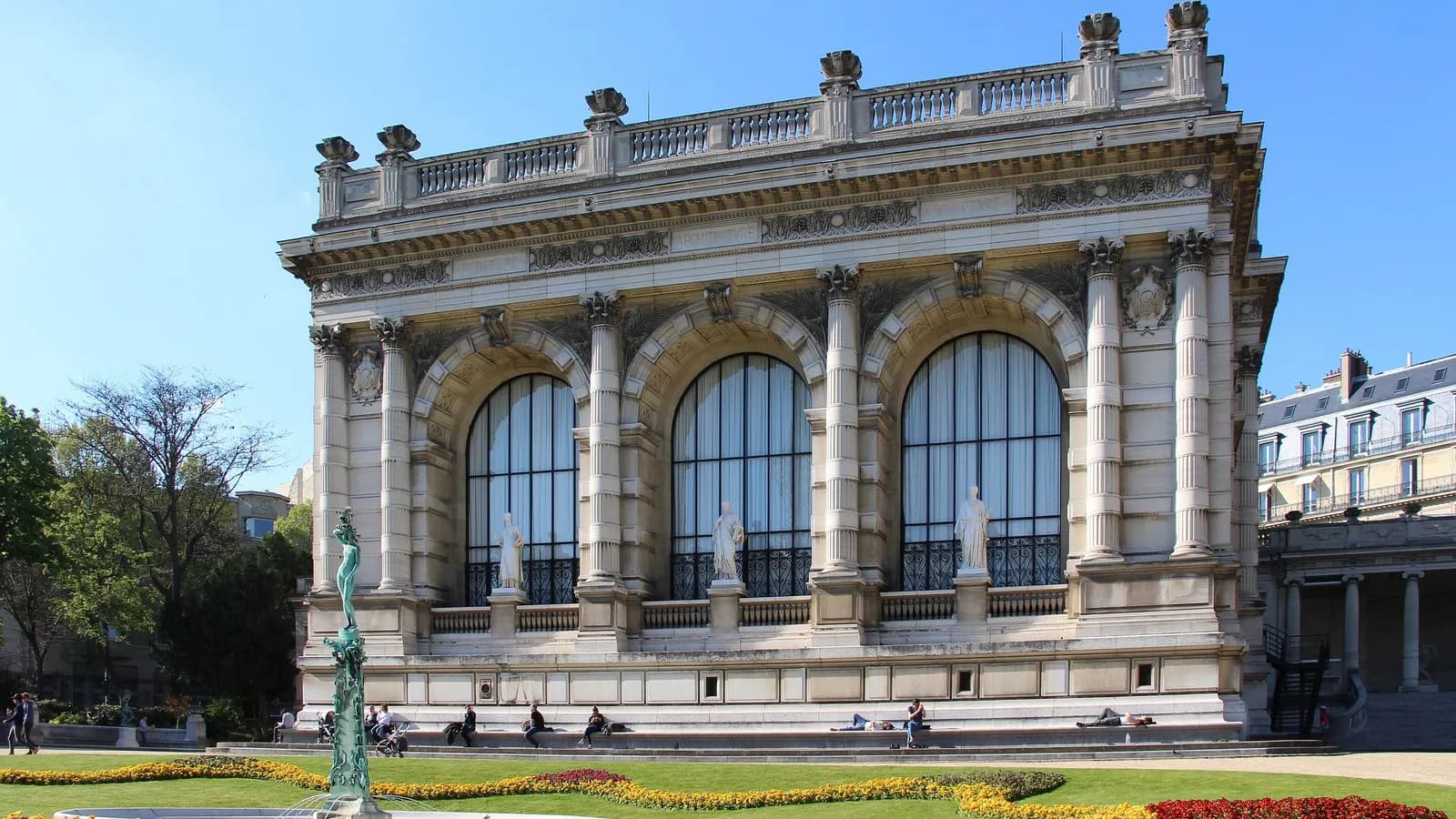
The Palais Galliera, Paris's dedicated fashion museum, opened a new exhibition on 26 September examining how 19th-century women appropriated the codes of men's dress as a means of social, sporting and political emancipation. "A Wardrobe of One's Own: Dissident Femininities in the 19th Century" runs until 14 February 2027, and is detailed on Sortiraparis's exhibition guide and on the show's own listing at Expo Paris.
What the exhibition actually gathers
More than 350 objects fill the show, spanning garments, paintings, photographs and fashion posters, chosen to trace a specific and often overlooked thread through 19th-century dress history: women who wore trousers, tailored suits, neckties and top hats not as costume but as a considered claim on freedoms, physical, social and political, that skirts and corsetry were designed to restrict. The curatorial focus sits specifically at the intersection of France and the Anglo-Saxon world, tracking how the same borrowed garments carried different but related meanings on each side of the Channel and the Atlantic across the century.
The named women at the centre of the story
The exhibition includes pieces connected to Marie-Antoinette, whose adoption of riding dress and simplified silhouettes decades earlier is treated as an early precedent, alongside garments and portraits tied to the novelist George Sand, who wore male dress publicly and wrote about the practical freedom it gave her to move through Paris unremarked, and the painter Rosa Bonheur, who held an official police permit to wear trousers so she could work at livestock markets and slaughterhouses for her animal paintings. The American writer Natalie Clifford Barney, whose Paris salon became a meeting point for queer women artists and intellectuals, extends the exhibition's timeline toward the fin de siecle and the more explicitly identity-driven adoption of menswear that followed the earlier, more pragmatic examples.
The anonymous half of the story
Alongside these well-documented figures, the show incorporates newly surfaced amateur photograph collections showing ordinary women, not public figures at all, adopting trousers, ties and cropped hair in private or semi-private settings, images that had not previously been assembled into a museum context. Their inclusion matters because it pushes back against a reading of cross-dressing in this period as purely the province of celebrated eccentrics and artists, suggesting the practice reached further into ordinary lives than the historical record built from famous names alone would suggest.
Why this particular framing, now
The exhibition's own framing describes its aim as offering a precise, embodied reading of 19th-century fashion, treating what it calls dissenting sartorial practices as a genuine mechanism of social change rather than mere eccentricity or theatre, a lens that connects directly to ongoing conversations about gendered dress codes that have never fully receded from fashion history or from fashion itself. Running through mid-February, the show gives Paris audiences an extended window to see how thoroughly the borrowing of a man's coat, tie or trousers could function as a woman's declaration, decades before trousers for women became unremarkable.
Published in The Outspoken Digest
Editorial desk
Outspoken Digest Culture DeskReports for The Outspoken Digest across Lifestyle, Design, Fashion, Latest Trends.
Newsletter
The Digest, in your inbox
One edition, sent when it is ready. No noise, and your address is never passed on.
Read Next
More Lifestyle →
Two Stolen Renoirs Found Behind a Cinder-Block Wall as Police Say Suspects Eyed the Fondation Maeght
Oct 15, 2026/2 min read

Hulu Orders Ryan Coogler's X-Files Reboot to Series With Danielle Deadwyler and Himesh Patel
Oct 14, 2026/2 min read
Tarek Atoui Opens Hold in Tate Modern's Turbine Hall, Turning the Cavernous Space Into a Giant Sound Instrument
Oct 13, 2026/2 min read
Jodie Comer, Adrian Lester and a Mary Whitehouse Play Take Top Honours at the 2026 UK Theatre Awards
Oct 12, 2026/2 min read