Pennsylvania's Fourth Measles Death Is an 18-Year-Old in Mifflin County. America Last Lost Four in a Year in 1992
Nearly 700 cases in 38 counties, 133 in hospital, a hundred new infections in a week, and four unvaccinated dead in a month: two infants, a woman of forty and now a teenager with brain inflammation. The CDC has yet to count any of them.
Thursday, September 17, 2026/3 min read
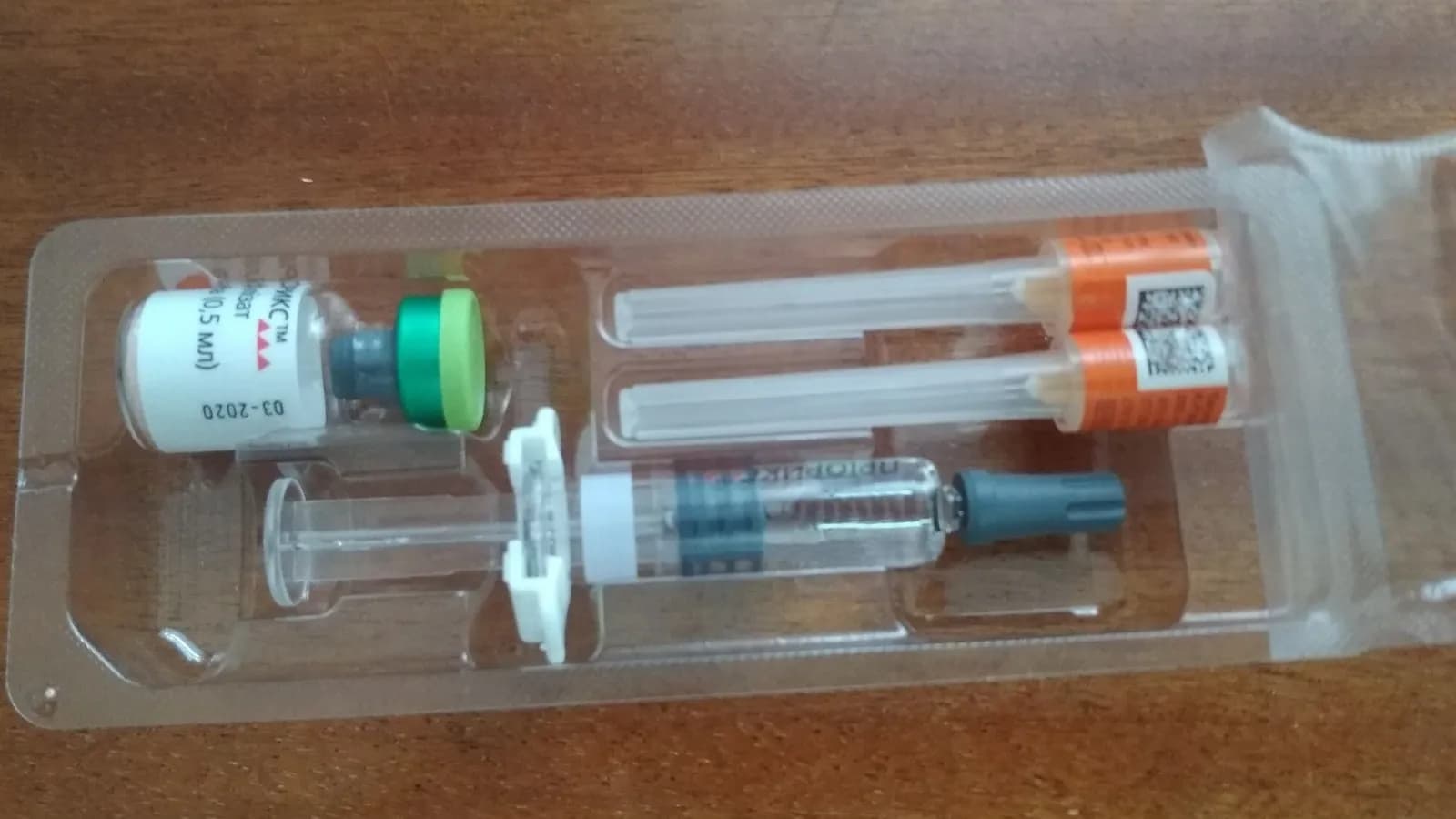
The Pennsylvania Department of Health reported on Tuesday that an 18-year-old resident of Mifflin County, in the centre of the state, has died of acute disseminated encephalomyelitis, a rare inflammation of the brain and spinal cord that follows measles in a small number of cases. The patient was unvaccinated. It is the state's fourth measles death in a month and, as STAT notes, the first four in Pennsylvania in 35 years. The others were a woman of forty from Jefferson County in the rural west, who had asthma and severe lung disease and died on Saturday, and two infants in Lancaster County last month, a newborn and a six-week-old, both too young for a first dose. None of the four had been vaccinated; the babies could not be.
The outbreak
Pennsylvania has recorded nearly 700 cases across 38 counties this year and 133 hospitalisations, with about a hundred new cases in the past seven days. The national count, per NBC News citing the CDC's Thursday update, is 3,294 confirmed cases and 267 hospitalisations in 2026, the worst year since 1991. Seven measles deaths have now been reported in the United States in two years, more than the previous three decades combined; there were three in all of 2025. Four in a single calendar year last happened in 1992. The country declared measles eliminated in 2000, a status that requires the absence of continuous transmission for twelve months and which, at this rate, will not survive the winter. The state's health secretary, Dr Debra Bogen, said her department remained "committed to working with our partners across Pennsylvania to stem this outbreak and prevent more deaths".
The dispute over the count
The CDC has not yet recorded any measles deaths for 2026, which puts the federal tally at zero and the Pennsylvania tally at four. The agency's director told NBC that Pennsylvania, "unlike other states with measles outbreaks, had not requested the CDC's assistance"; the state replied that it has "a strong working relationship" with the CDC and submits death records daily. Behind the exchange is the politics of Governor Josh Shapiro and Health Secretary Robert F. Kennedy Jr, which need not detain anyone deciding whether to vaccinate a child. The clinical facts do not depend on who counts them. Two doses of MMR, the first at about a year and the second at about five, give 97 per cent protection, usually for life. Community protection requires about 95 per cent coverage, and Pennsylvania's has fallen below it in the counties now reporting cases.
What ADEM is
Acute disseminated encephalomyelitis occurs in roughly one in a thousand measles cases, usually a week or two after the rash, when the immune system turns on the myelin sheath of the central nervous system. It presents with fever, headache, confusion and seizures and can progress to coma within days. Most who survive recover, some with lasting deficits; a minority die. It is distinct from subacute sclerosing panencephalitis, the slow-onset form that can appear years later and is almost always fatal, and which physicians expect to see more of towards the end of this decade among the children infected now. Measles itself kills by pneumonia in most cases, which is what took the Lancaster infants, and premature birth is among its complications in pregnancy.
What to do
Anyone born after 1957 who cannot document two doses should get them; adults vaccinated between 1963 and 1967 may have received an inactivated vaccine that did not work and should be revaccinated. Infants six to eleven months old travelling to or living in an outbreak area can receive an early dose, which does not count toward the routine two. A child exposed and unvaccinated can be protected with a dose within 72 hours or immune globulin within six days. None of that requires the CDC and Pennsylvania to agree on a number.
Published in The Outspoken Digest
Editorial desk
Outspoken Digest Health DeskMedicine, public health and the research behind the headlines, read carefully.
Newsletter
The Digest, in your inbox
One edition, sent when it is ready. No noise, and your address is never passed on.
Read Next
More Health →
ACOG's New Menopause Guideline Backs Hormone Therapy, Adds Non-Hormonal Drugs and Rejects Soy and Herbal Supplements
Oct 26, 2026/3 min read

Personalized mRNA Melanoma Vaccine Plus Keytruda Cut Recurrence or Death Risk 42 Percent in Phase 3 Trial
Oct 25, 2026/3 min read
Heart Failure and Heart Attack Admissions Rose Faster Where US Cannabis Was Legalised, Study Reports
Oct 23, 2026/2 min read
FDA Approves Hibsago, the First Antisense Drug for Chronic Hepatitis B, With a Boxed Warning
Oct 22, 2026/2 min read