PostgreSQL 19 Slips to Mid-November After AI Code Reviews Found More Bugs Than Developers Could Fix
The open-source database's next major release is late, with up to ten features pulled to version 20, because machine-assisted review caught flaws that used to surface years after launch.
Outspoken Digest Technology Desk
Sunday, October 18, 2026/2 min read
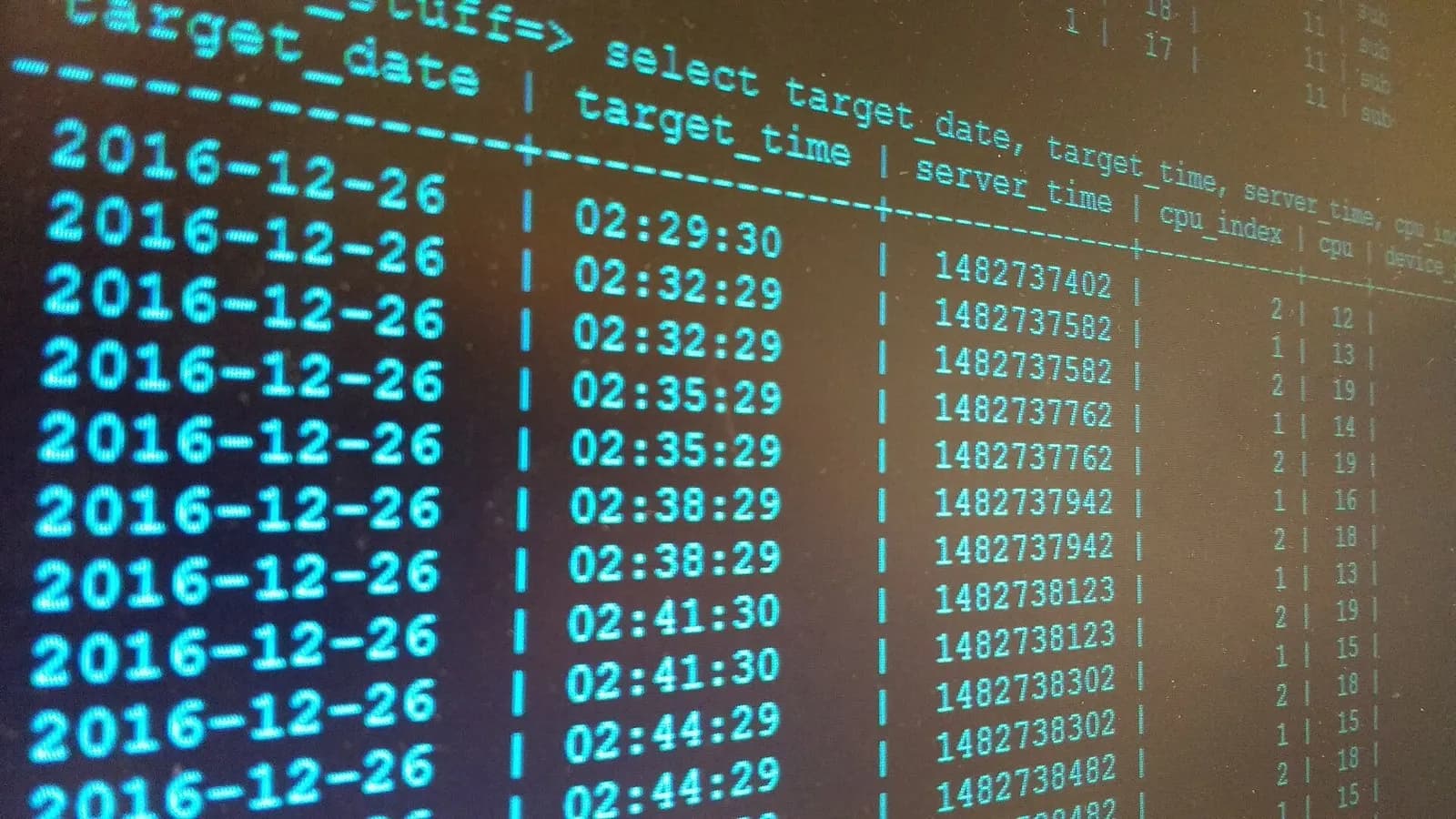
The people who maintain one of the world's most widely used databases have done something unusual: they cut features from their own release at the last minute, and they say it was the right call. The Register reported on 16 October that PostgreSQL 19, due in late September or early October, is now expected around 19 November.
The reason is a flood of bug reports from reviewers armed with large language models. They found problems in code that human review had waved through, and the project chose to cut features rather than ship them.
Why is PostgreSQL 19 late?
According to the report, between eight and ten significant features were pulled from the release and postponed to PostgreSQL 20. The most prominent is support for SQL Property Graph Queries, known as SQL/PGQ, which entered the SQL standard in 2023 and lets developers query graph-shaped data inside an ordinary relational database.
Peter Eisentraut, a veteran committer and vice president at EDB, explained the reasoning in a blog post dated 9 October. He said the quality bar rose after the features had been committed, because LLM-assisted code review surfaced many minor edge-case problems that would previously have turned up years later as routine bug fixes. Some features also had deeper architectural flaws that were hard to repair during beta. The Register says the specific AI tools were not named.
Tom Lane, a long-time contributor, argued that shipping SQL/PGQ would guarantee bugs after release that could not be fixed until version 20.
Is this vibe coding gone wrong?
No, says Eisentraut. He stressed that the reverts were not the result of "vibe coding", since the technique was not available when most of these features were written. The code was written the old way. It was the scrutiny that changed.
A Snowflake engineering post from 16 September by developer advocate Elizabeth Garrett Christensen lists other casualties, among them GROUP BY ALL, UPDATE and DELETE with FOR PORTION OF, and online data checksums. It says contributors use AI tools to hunt bugs and build reproducible test cases, and that a contributor ran a "scary bug contest" with AI help. The same post links the trend to a rise in security reports: the August patch release for PostgreSQL 18 fixed 28 CVEs, against a typical couple.
Christensen called the reversions a sign that the development process is working, and her advice for anyone choosing a version today was blunt: PostgreSQL 18 is the safe upgrade target. PostgreSQL has no formal AI contribution policy yet, though the post says one is expected soon.
What does this mean for people who use Postgres?
For most teams, little changes except the calendar. REPACK CONCURRENTLY, which reclaims disk space without the table lock that VACUUM FULL requires, stays in version 19, according to The Register. Anyone who planned a project around graph queries or the other pulled features now waits for version 20, which developers had expected to contain only bug fixes and will now likely carry the postponed work.
The larger lesson reaches well beyond one database. If machine review can find in weeks what used to take years, every open-source project faces the same choice the Postgres team just made: ship on schedule with known risk, or slow down and cut. The mid-November date will show whether the cut was deep enough.
Published in The Outspoken Digest
Editorial desk
Outspoken Digest Technology DeskSoftware, hardware, artificial intelligence and what they change for everyone else.
Newsletter
The Digest, in your inbox
One edition, sent when it is ready. No noise, and your address is never passed on.
Read Next
More Technology →
Webb Caught a Probable Supernova From the Early Universe Only Days After It Exploded
Oct 18, 2026/2 min read

Webb Maps an Exoplanet's Atmosphere as Egg-Shaped, With a Puffed-Up Evening Side Hotter Than Its Morning Edge
Oct 18, 2026/2 min read

A Hole in a 75,000-Year-Old Shoulder Blade Points to a Wooden Spear, and Perhaps to Neanderthal Care
Oct 18, 2026/2 min read

Anthropic's Own Staff Data: Junior Technical Hires Fell From 27 to 9 Percent as Its AI Agents Outworked Humans
Oct 18, 2026/2 min read