Read the Renewal Clause Before You Sign, Because It Is the Only Part That Governs Next Year
Most tenancy disputes are not about the rent in the contract. They are about notice periods, renewal terms, who pays for what, and what happens if you leave early, and all four are decided by clauses people skim on the day they get the keys.
Outspoken Digest Work and Life Desk
Wednesday, September 2, 2026/4 min read
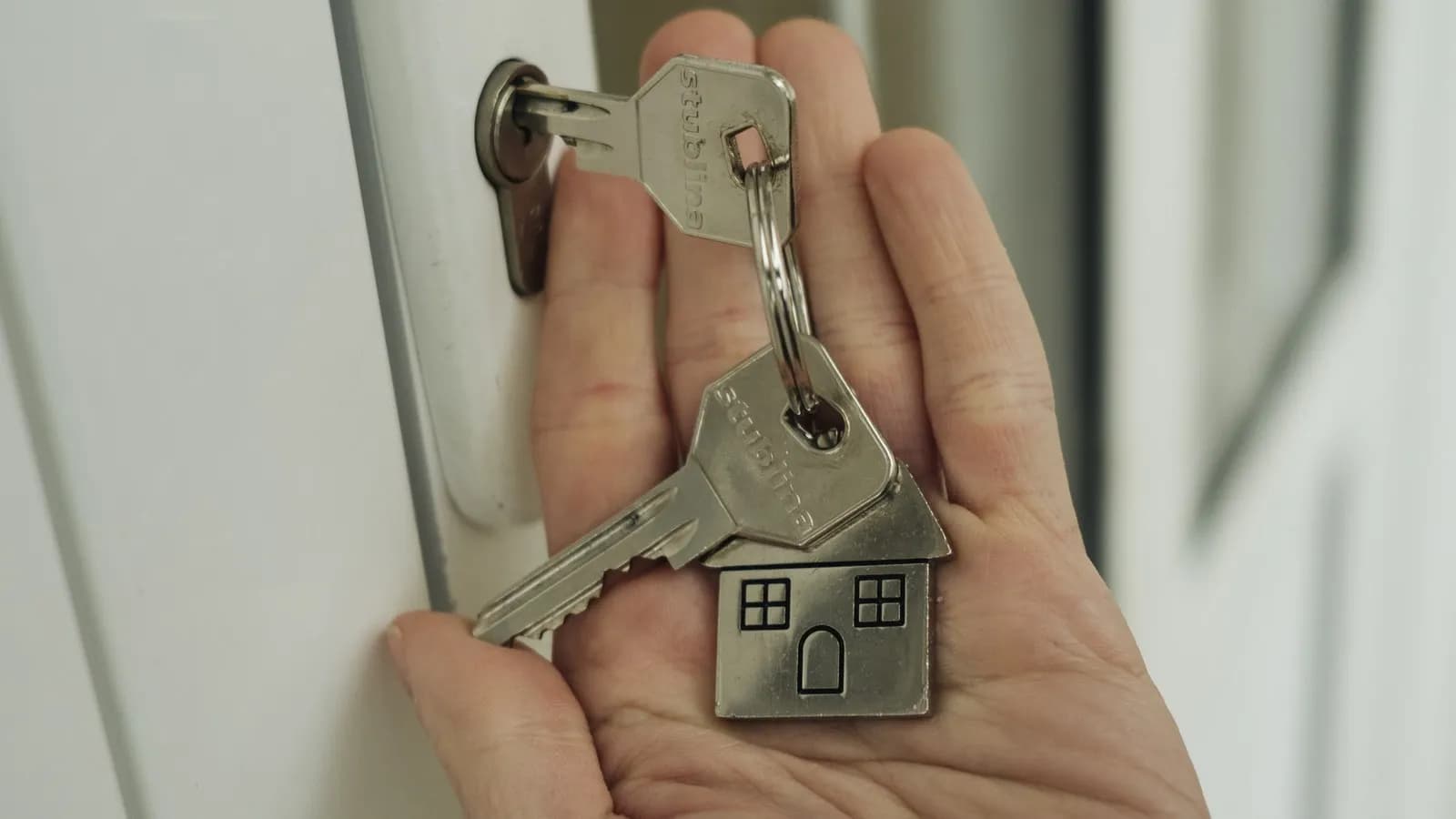
The rent is the number everybody negotiates and the one thing in a tenancy agreement least likely to cause an argument, because both sides agreed to it in writing and neither is confused about it.
The disputes come from four clauses that most tenants read once, quickly, standing up, on the day they are excited about a flat.
One: the renewal clause
This is the clause that decides what happens at the end of a fixed term, and it is the single most valuable thing in the document.
Read it for three things. How much notice either side must give if they do not want to renew. Whether renewal is automatic if nobody says anything, and on what terms. And whether there is any cap or formula on the increase, or whether it is simply whatever the landlord asks.
A contract that requires ninety days of notice from you and thirty from the landlord is not unusual and is worth arguing about before signing, because it is the difference between planning a move and scrambling for one. A renewal with no ceiling on the increase means the rent you negotiated is a one year price, not a two year one.
Two: notice, and what triggers it
Notice periods are usually reciprocal on paper and asymmetric in practice, because the consequences differ.
Establish the exact mechanism: how notice must be delivered, to whom, and in what form. A clause requiring written notice by registered post to a specific address means a message to the agent's mobile is not notice, however many times they replied to it. Keep proof of delivery for anything that starts a clock.
Also find out what the contract says about the landlord selling the property mid term. In many jurisdictions the tenancy survives a sale and in some it does not, and the contract will usually tell you which world you are in.
Three: who pays for what
The distinction to look for is between maintenance and repair, and between wear and damage.
Good contracts split it explicitly: the landlord covers structural items, major systems and anything that fails through age, and the tenant covers consumables, minor items and anything they broke. Bad contracts say the tenant is responsible for all maintenance, which sounds administrative and can mean a compressor.
In hot climates the air conditioning clause deserves its own reading, because servicing, gas, and unit replacement are three different costs and a contract that assigns all three to a tenant has moved a capital expense onto a person renting a flat. We wrote about how much of a household budget that system alone consumes in the piece on cooling and the electricity bill.
Four: leaving early
Almost everybody eventually needs this clause, and almost nobody reads it.
Find the early termination terms and price them. Common forms are a fixed penalty of one or two months' rent, forfeiture of the deposit, or liability for the remainder of the term until a replacement tenant is found. Those are wildly different exposures, and the third one is open ended.
Ask specifically whether a job loss or a transfer out of the country changes anything. In places with large expatriate populations some contracts include a clause for exactly that, and it is worth requesting if it is absent.
The deposit, and the photographs
The deposit is returned or withheld on the basis of a comparison nobody documented properly at the start.
On the day you get the keys, before you move anything in, photograph every room, every existing mark, the meter readings and the inside of every appliance, with the date visible. Send the set to the landlord or agent by email the same day and ask them to confirm receipt. That single email is worth more at the end of a tenancy than any clause in the contract, because it converts your word against theirs into a dated record.
Then read what the contract says about the condition it must be returned in. Professional cleaning, repainting, and returning to as new are three different standards, and only one of them is reasonable.
What to do with all this before signing
Ask for the contract in advance rather than at the signing, and do not accept that it is standard.
Standard means it is the agent's template, not that it is unalterable or fair. The clauses above are routinely amended when a tenant asks calmly and in writing, and the worst outcome of asking is a no. Get every promise made verbally written into the document, including anything about repairs before you move in, because a promise that is not in the contract did not happen.
And read it somewhere other than the flat. Enthusiasm is a poor state in which to read a legal document, which is precisely why it is presented to you there.
For anyone doing this in a new country for the first time, the wider adjustment is its own project, and we covered the part nobody warns you about in making friends as an adult abroad.
Published in The Outspoken Digest
Editorial desk
Outspoken Digest Work and Life DeskReports for The Outspoken Digest across Lifestyle, Latest Trends.
Newsletter
The Digest, in your inbox
One edition, sent when it is ready. No noise, and your address is never passed on.
Read Next
More Lifestyle →
Tarek Atoui Opens Hold in Tate Modern's Turbine Hall, Turning the Cavernous Space Into a Giant Sound Instrument
Oct 13, 2026/2 min read

Jodie Comer, Adrian Lester and a Mary Whitehouse Play Take Top Honours at the 2026 UK Theatre Awards
Oct 12, 2026/2 min read

Andrew Scott's Elsinore Opens the London Film Festival With Tears, an Ovation and a Disco Tribute
Oct 9, 2026/3 min read