Rocket Lab Pushes Neutron's First Launch Into 2027 After Finding Voids in a Carbon-Fibre Dome
CEO Peter Beck says full-stage testing will run into the first quarter of next year, with no new launch date yet, and the shares fell nearly 10 percent on the news.
Outspoken Digest Technology Desk
Saturday, October 17, 2026/2 min read
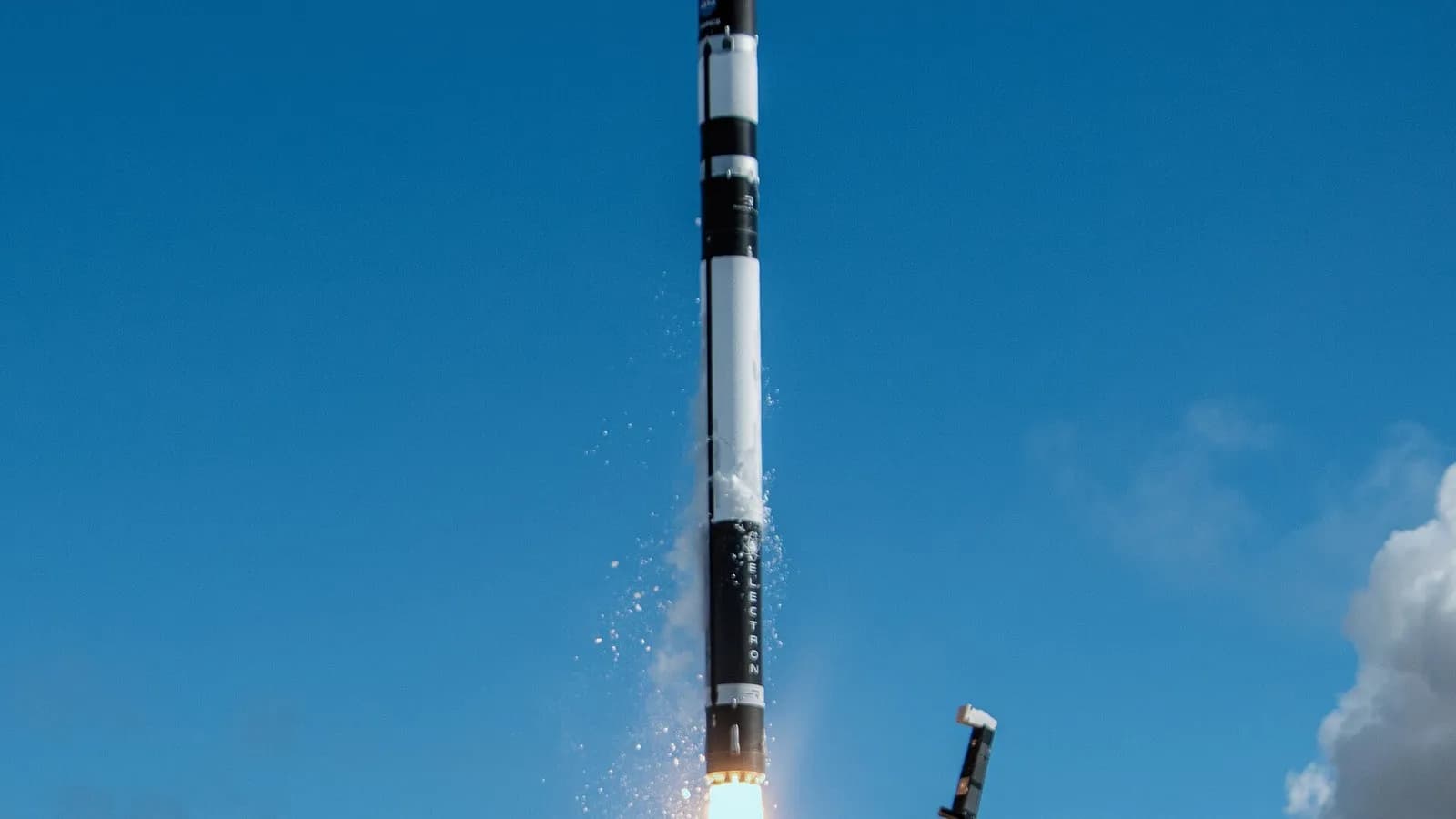
Rocket Lab's long-awaited Neutron rocket will not fly this year. The company has moved the debut of its medium-lift, partly reusable launcher into 2027 and has not set a new date, after inspectors found air pockets in a carbon-fibre propellant dome, Satellite Today reported.
Chief executive Peter Beck disclosed the slip in an investor update on Wednesday, backed by a securities filing dated 14 October, and Rocket Lab's shares were down nearly 10 percent in Thursday afternoon trading, according to Light Reading.
Why is Neutron delayed again?
The trail runs back to January, when a first-stage tank ruptured during testing, a failure Rocket Lab linked to a manufacturing defect in a contractor's hand-laid tank. The company then moved production to an automated fiber placement machine. That machine's output revealed air pockets between layers of carbon fibre in the forward propellant dome, in revised thicker sections.
Beck said the voids could compromise durability and reliability, though not necessarily cause an in-flight failure, according to Light Reading. Neutron's delay is nearly three years old, Light Reading said, citing New Street Research, and was initially driven by engine development and testing; earlier in 2026 a qualification test also failed. Rocket Lab has replicated the problem, added manufacturing mitigations and is building a new forward dome. "Possible success isn't our standard," Beck said, explaining why the company would wait for proper margins.
When will Neutron fly?
Not before 2027. Rocket Lab plans to finish dome void testing, assemble the full first stage and complete hydrostatic and cryogenic tests before and during the first quarter of 2027, and will then announce a target date. Neutron was first pitched for early 2026, slipped to late 2026 after the tank rupture, and has now moved again.
The vehicle stands 141 feet tall and is designed to lift up to 13,000 kilograms to low Earth orbit. Rocket Lab's smaller Electron has flown nearly 100 times and deployed more than 268 satellites.
Light Reading added that Rocket Lab's pending acquisition of Iridium would give it satellite connectivity services and global L-band spectrum, a reminder that the company's business is no longer only rockets.
What do analysts think of the Neutron delay?
New Street Research called the caution sensible but said repeated manufacturing setbacks raise questions about the production process, and said it would lower its near-term forecasts. The firm still sees Neutron potentially becoming a credible second source to SpaceX, noting that launch capacity is tightening as SpaceX scales back Falcon 9 launches and that capacity growth will likely lag demand over the coming year.
Beck referred to unannounced new Neutron launch contracts and said customers are booking multiple launches. That confidence will be tested over the winter: the next milestone is not a launch but a clean test of a rebuilt dome.
Published in The Outspoken Digest
Editorial desk
Outspoken Digest Technology DeskSoftware, hardware, artificial intelligence and what they change for everyone else.
Newsletter
The Digest, in your inbox
One edition, sent when it is ready. No noise, and your address is never passed on.
Read Next
More Technology →
Webb Caught a Probable Supernova From the Early Universe Only Days After It Exploded
Oct 18, 2026/2 min read
Webb Maps an Exoplanet's Atmosphere as Egg-Shaped, With a Puffed-Up Evening Side Hotter Than Its Morning Edge
Oct 18, 2026/2 min read

A Hole in a 75,000-Year-Old Shoulder Blade Points to a Wooden Spear, and Perhaps to Neanderthal Care
Oct 18, 2026/2 min read

Anthropic's Own Staff Data: Junior Technical Hires Fell From 27 to 9 Percent as Its AI Agents Outworked Humans
Oct 18, 2026/2 min read