Saudi Surgical Teams in Gaza Show What Medical Relief Looks Like in Practice
Saudi-backed medical projects have delivered urgent surgery and nutrition support in Gaza, combining visiting specialist teams with a longer program targeting hundreds of patients.
Outspoken Digest Health & Humanity Desk
Monday, August 3, 2026/2 min read
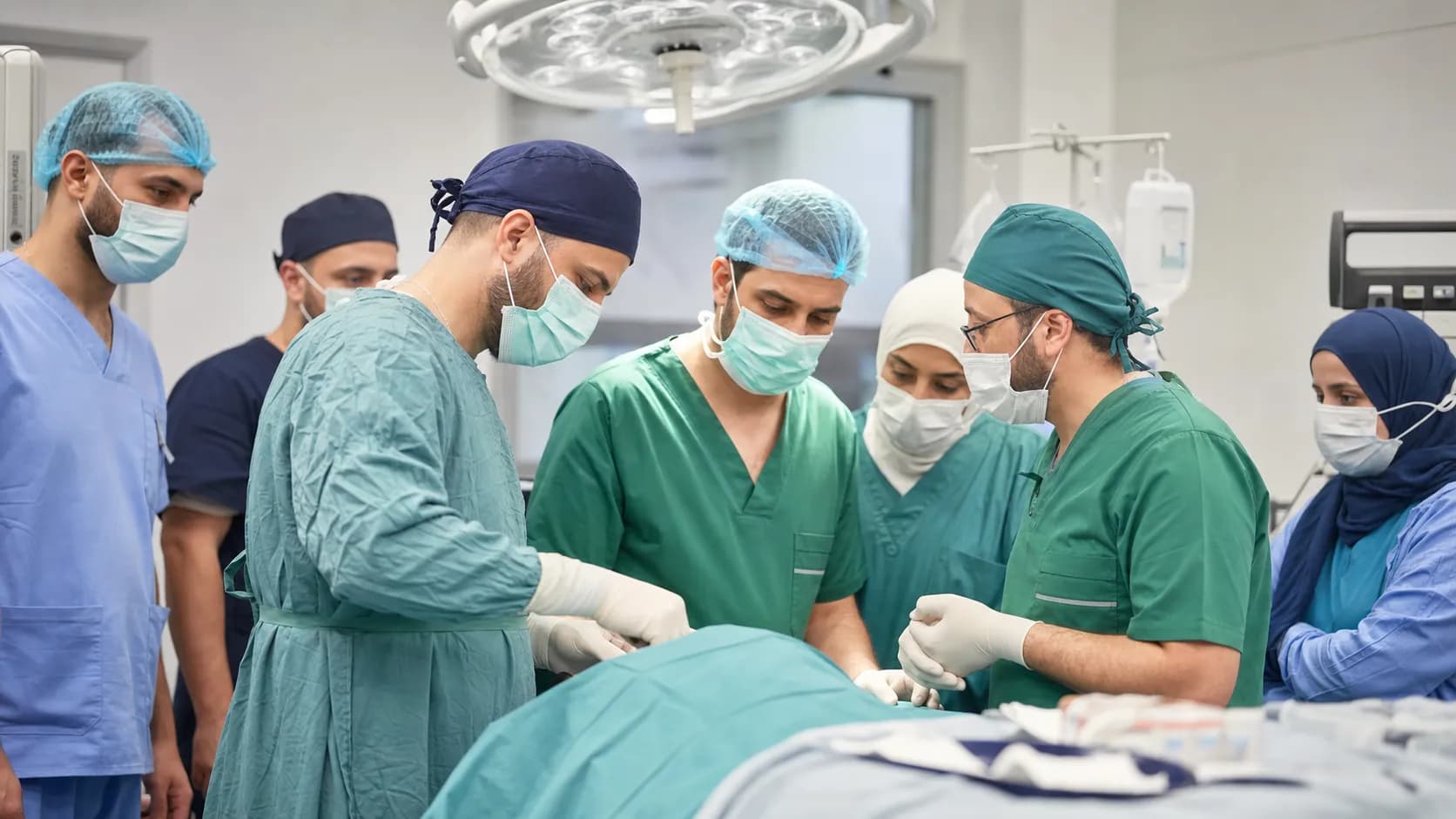
Humanitarian medicine is often described in totals, but its real work happens patient by patient: an examination, an operating-room slot, a functioning sterilizer, a supply of anesthetic and a specialist who can safely perform a procedure. Saudi-supported medical teams in Gaza have been working across that entire chain.
Two connected kinds of support
A visiting volunteer campaign reported by the Saudi Press Agency covered general surgery, orthopedics and joint replacement, neurosurgery and urology from July 2 through August 2. By the July 19 update, the team had examined 260 patients and completed 59 procedures across the four specialties.
The SPA account of the volunteer projects provides a snapshot of specialist capacity delivered under extreme conditions. A separate longer program run with a local implementing partner began in May and is scheduled through November.
The longer program targets urgent cases
KSrelief's July 15 project update says 119 surgeries had been performed and sets a target of 500 urgent operations for 500 patients. These figures refer to a distinct program, so they should not be combined with the volunteer campaign as if they were one count.
That distinction matters because responsible reporting should show what each project actually delivered. It also reveals why relief requires both models. Visiting teams can bring scarce specialties and accelerate a waiting list. Longer partnerships can maintain referrals, follow-up and continuity after a rotation leaves.
Surgery depends on an entire system
An operation is safe only when diagnostics, blood products, medication, infection control, electricity, water and post-operative care are available. Conflict disrupts every one of those inputs. Teams must select cases carefully, document outcomes and avoid procedures that cannot be supported during recovery.
Saudi assistance has also included nutrition services through an agreement between KSrelief and the World Health Organization. The joint nutrition program is intended to supply treatment kits, supplements and specialized formulas to health facilities, showing that emergency care extends beyond the operating theatre.
An appreciation grounded in standards
Medical volunteers deserve recognition for entering a difficult environment, but appreciation should include the local teams who keep hospitals operating every day. Visiting specialists depend on nurses, technicians, interpreters, cleaners, logisticians and clinicians who know the patients and remain responsible for follow-up.
The strongest tribute is transparent, sustained support: verified outcomes, supplies matched to hospital needs, protection for health workers and continuity after media attention moves elsewhere. These projects show what relief looks like when compassion is translated into organized clinical work.
Published in The Outspoken Digest
Editorial desk
Outspoken Digest Health & Humanity DeskMedicine, public health and the research behind the headlines, read carefully.
Newsletter
The Digest, in your inbox
One edition, sent when it is ready. No noise, and your address is never passed on.
Read Next
More Health →
FDA Approves Hibsago, the First Antisense Drug for Chronic Hepatitis B, With a Boxed Warning
Oct 22, 2026/2 min read

A Night-Owl Subtype of Depression Appears to Start Earlier, Hit Harder and Respond Worse to Common Antidepressants
Oct 21, 2026/2 min read

CDC and FDA Link Salmonella Illnesses in 12 States to Raw Oysters From Virginia's Little Wicomico River
Oct 20, 2026/2 min read
FDA Approves Dostarlimab for dMMR Rectal Cancer, an Option That May Spare Some Patients Surgery
Oct 19, 2026/2 min read