The Saudi Pro League Spent About 230 Million Euros This Summer, and the Biggest Deal Was a Winger From West Ham
The seventieth season began on 13 August. Crysencio Summerville to Al Hilal at 64.5 million euros is the summer's largest move, and the shape of the spending says more about the league's direction than the total does.
Monday, August 24, 2026/3 min read
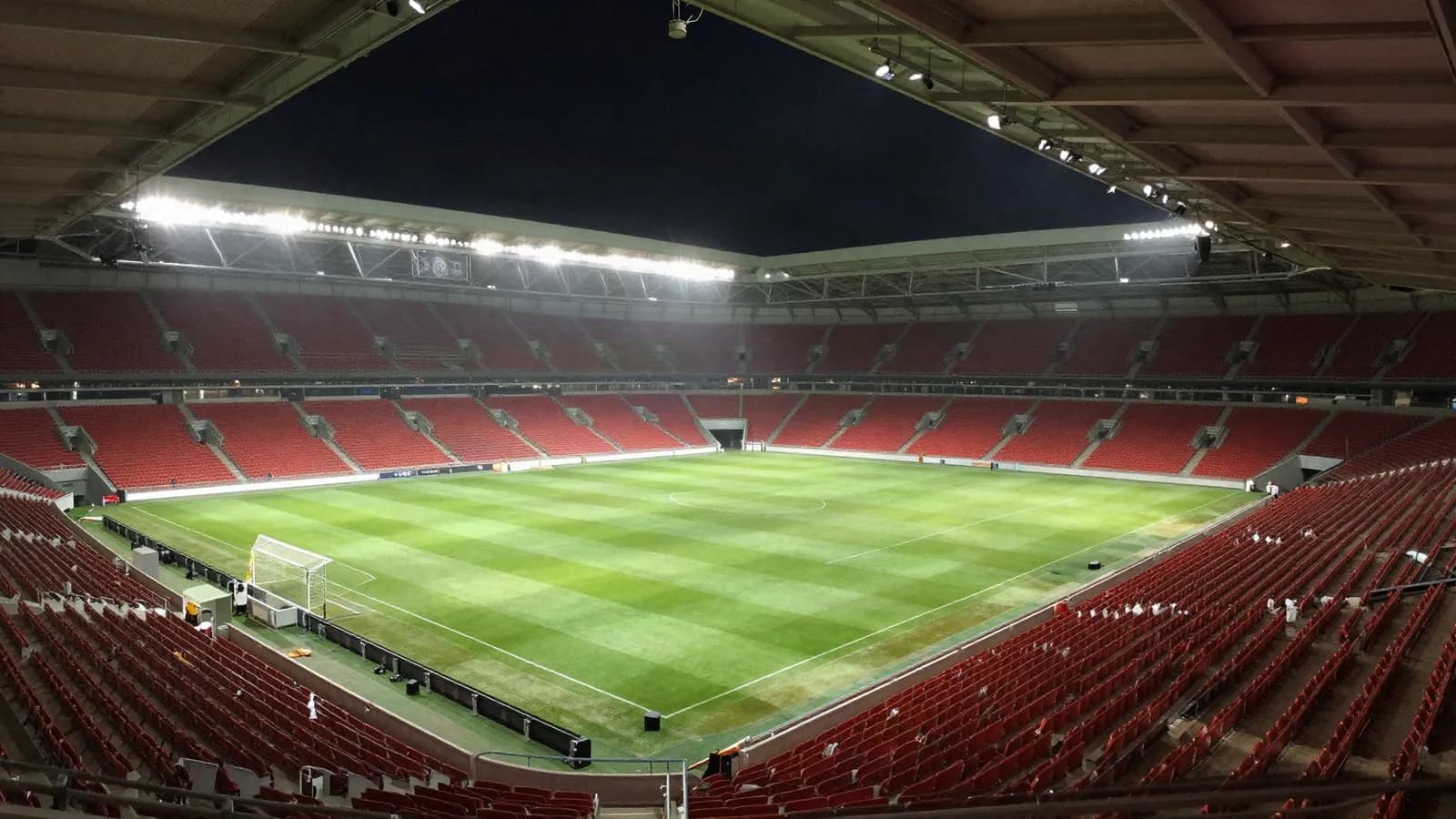
The Saudi Pro League began its seventieth season on 13 August. The summer registration window runs from 22 July to 6 September, and clubs have committed roughly 230 million euros to new signings.
That number deserves a second look, because it is considerably smaller than the figures that made this league famous, and the reason is the interesting part.
What are the biggest moves?
Three deals account for a substantial share of the total.
- Crysencio Summerville from West Ham to Al Hilal, about 64.5 million euros. The summer's largest transfer.
- Francisco Trincao from Sporting, about 40 million euros.
- Eduard Spertsyan from Krasnodar to Al Ahli, about 22 million euros.
Notice what these have in common. All three are players in their twenties arriving at or near their peak, bought from selling clubs in competitive European leagues. None is a household name being paid to finish a career somewhere warm.
Why does that shift matter?
Because it is the difference between buying attention and building a league.
The initial wave of Saudi signings was designed to make the league visible, and it worked. Signing players of enormous global fame in the final phase of their careers put the competition on television in markets that had never watched it. It also produced a squad profile that could not sustain itself, because famous thirty five year olds decline on a schedule.
Buying players in their mid twenties from Sporting, West Ham and Krasnodar is a different proposition. Those players have resale value, they can anchor a side for five or six seasons, and they attract other players of similar age who want a competitive environment rather than a farewell tour.
The lower headline total is therefore not evidence of retreat. It is what a transfer market looks like when a league stops paying a premium for name recognition. We set out the longer arc of this in the Gulf's long game around the 2034 World Cup.
How does it compare with Europe?
It is a fraction of it, and that comparison is more useful than the ones usually made.
Two hundred and thirty million euros across an entire league is less than a single ambitious Premier League club will spend in a strong summer, a scale we looked at in the record Premier League window. The Saudi league is not outbidding European football and, on this evidence, is no longer trying to.
What it can do is offer a specific proposition: high wages, a competitive domestic title race, continental football through the Asian confederation, and a lower media intensity than London or Madrid. For a twenty five year old who is very good but not quite a Champions League regular, that is a rational move rather than a compromise.
What is the actual test this season?
Not spending. Attendance, development and export.
Attendance. A league sustained by television money and state investment rather than by people in stadiums remains a project rather than an institution. Crowd figures across a full season are the honest measure.
Development. The stated purpose of the investment is to raise the level of Saudi football, not to import a European league. That means the test is what happens to home grown players sharing a pitch with better team mates, a question we examined in what participation and legacy actually require.
Export. The clearest signal a league has arrived is when other leagues start buying from it. Until a Saudi club sells a player at a profit to a serious European side, the money is flowing in one direction only.
What to watch before the window shuts
The window closes on 6 September, which leaves nearly two weeks in which the summer's shape can still change. Late deals are usually the least disciplined, because a club that has failed to sign its first choice is negotiating from a weaker position and against a clock.
If the remaining business follows the pattern of Summerville, Trincao and Spertsyan, the league will have completed its most coherent transfer window yet. If it ends with a rush of expensive veterans, the older strategy is still in the building.
Published in The Outspoken Digest
Newsletter
The Digest, in your inbox
One edition, sent when it is ready. No noise, and your address is never passed on.
Read Next
More Sports →
Edwards Scores 45 as Timberwolves Rout Heat on Giannis Antetokounmpo's Debut, and Pistons Rally From 22 Down
Oct 22, 2026/2 min read
Rice Rescues Arsenal With an 82nd-Minute Equaliser at Bayern Munich After Kane's Penalty Made It 2-1
Oct 22, 2026/2 min read
Rays and Brewers Meet in a World Series Neither Franchise Has Ever Won, With Game 1 on Friday
Oct 21, 2026/2 min read
Liverpool Come From Two Goals Down to Beat Villarreal 4-3 on a Champions League Night of 40 Goals
Oct 21, 2026/2 min read