New York Opens Fashion Month With a Debut and Closes It With Thom Browne
Seventy shows across six days, spring collections shown in autumn, and a designer taking over a house whose founder's name is still on the door. The September calendar is set.
Sunday, August 16, 2026/2 min read
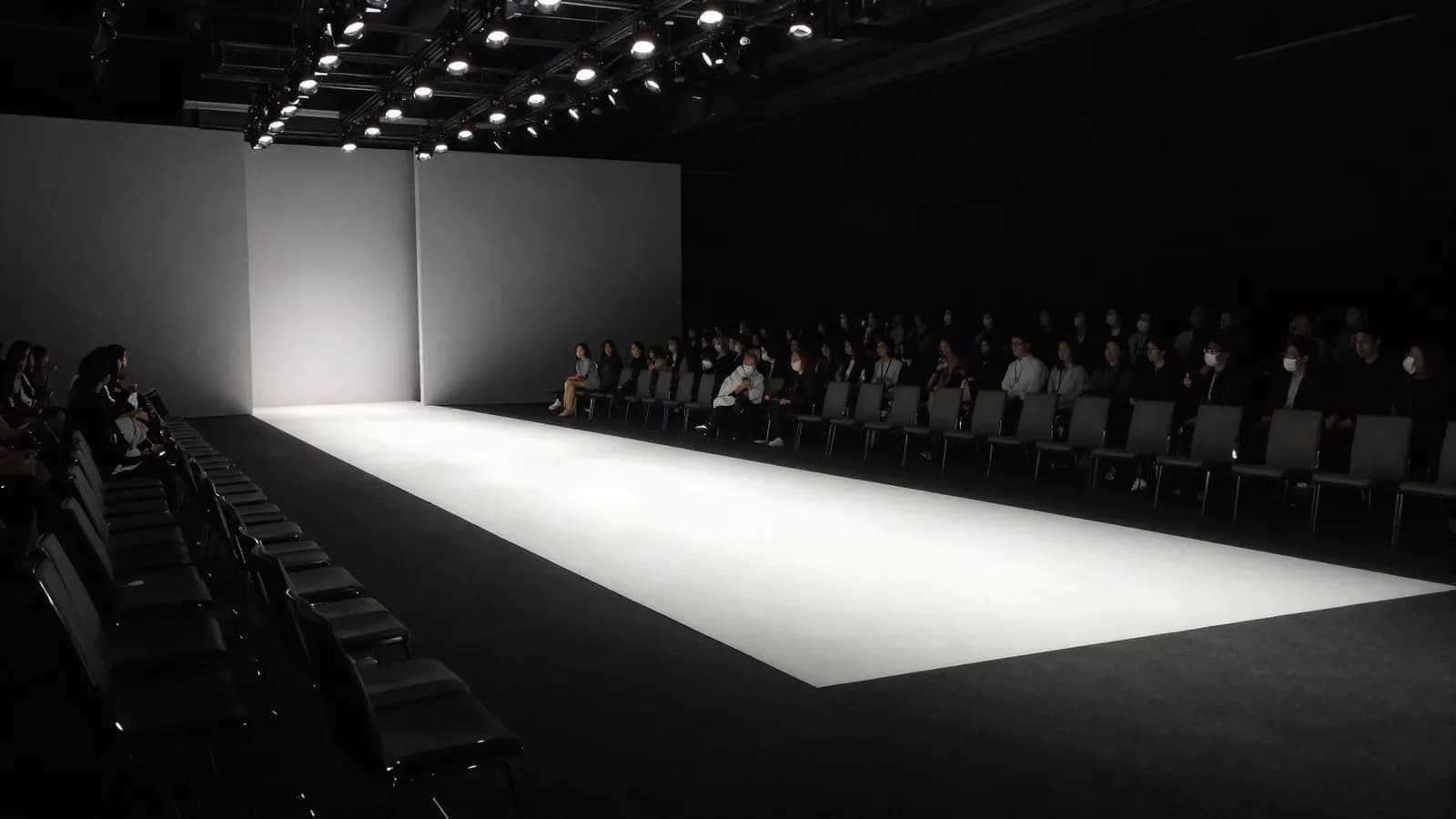
New York Fashion Week runs from 10 to 15 September, showing spring and summer 2027 collections. The preliminary official calendar carries around seventy runway shows and presentations, with more by appointment and online.
It opens on Thursday 10 September with Henry Zankov's first collection as artistic director of Diane von Furstenberg, and closes on Tuesday 15 September with Thom Browne. Michael Kors, Tory Burch, Carolina Herrera and Calvin Klein Collection anchor the middle, and the newer names include Conner Ives and Magda Butrym.
Why a debut is the most-watched slot in the week
A first collection at an established house is the only show where everyone in the room is asking the same question, which is rarer than it sounds. Most shows are judged on whether they are good. A debut is judged on whether the designer understood the assignment, and the assignment is unusually hard to define.
Diane von Furstenberg is a house built on one garment and one idea about how a woman gets dressed in the morning. That is an asset and a cage. Lean too hard on the wrap dress and the collection reads as an archive exercise. Ignore it and the audience asks what the point of the name is.
The interesting debuts resolve that by finding the principle underneath the signature rather than reproducing the signature. Whether this one does is the story of the first day.
Reading a season shown six months early
Fashion month always looks slightly absurd from outside because a September show sells clothes that arrive in shops the following February. The gap exists for supply chain reasons that have nothing to do with how anyone dresses.
What that means for a reader is simple: what you see this month is not what to wear this month. It is a forecast about next spring, filtered through what buyers are willing to order in a nervous retail climate.
That filter matters more than the runway in most seasons. A collection can be widely praised and barely bought. The pieces that reach a shop floor are the ones a buyer believes will sell twice: once at full price to someone who saw the show, once on discount to someone who did not.
What actually carries over from a runway to a wardrobe?
Three things, usually.
A colour. Colour is the cheapest trend to adopt and the fastest to manufacture, which is why it moves first. The colour story of the current season arrived this way.
A proportion. Slower, but stickier. A silhouette that shifts takes eighteen months to reach the high street and then defines it for three years.
A single accessory idea. The most profitable thing a show can produce, because it does not require anyone to change size or commit.
Everything else is context. Useful context, but not instructions.
When is New York Fashion Week in September 2026?
10 to 15 September 2026, showing spring and summer 2027. It is the first of the four main weeks, with London, Milan and Paris following through the rest of the month.
For the practical end of a wardrobe, our note on cost per wear is a better guide to September buying than any runway, and our piece on surviving a Gulf summer in clothes is more urgent for another six weeks yet.
Published in The Outspoken Digest
Newsletter
The Digest, in your inbox
One edition, sent when it is ready. No noise, and your address is never passed on.
Read Next
More Fashion →
Victoria's Secret Fashion Show Heads to Los Angeles on Sunday With an All-Women Lineup and Three Angel Hopefuls
Oct 15, 2026/2 min read

Anthony Vaccarello Is Leaving Saint Laurent After a Decade, and Kering Has Not Yet Named His Successor
Oct 9, 2026/2 min read

Louis Vuitton Closes Paris Fashion Week With Hovering Cars, Paper-Light Dresses and a Louvre Courtyard Cityscape
Oct 7, 2026/2 min read
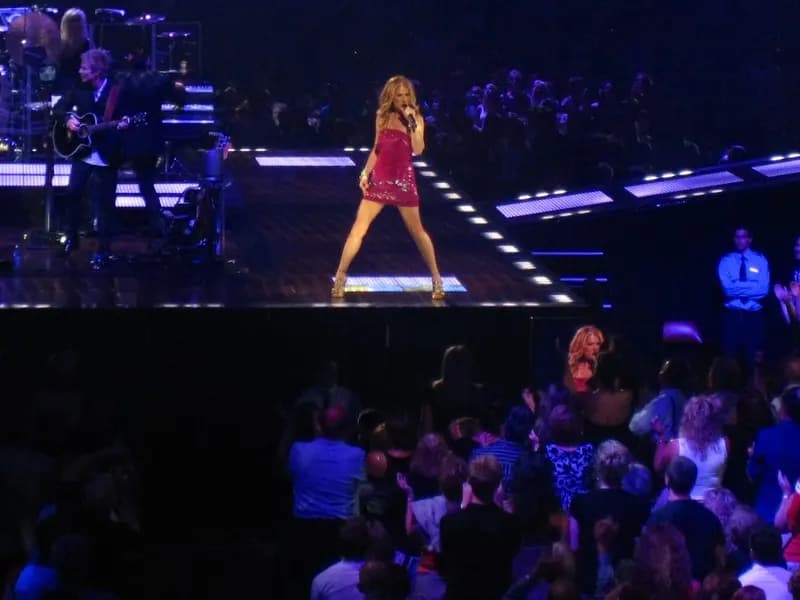
Celine Dion Made a Surprise Return to the Catwalk to Close L'Oreal's Paris Fashion Week Opening Show
Sep 29, 2026/2 min read