The Case for Travelling in the Weeks Nobody Else Books
Shoulder season is cheaper, emptier and usually better weather than the peak it sits beside. It also has failure modes, and knowing which ones apply is the difference between a bargain and a wasted trip.
Saturday, August 8, 2026/3 min read
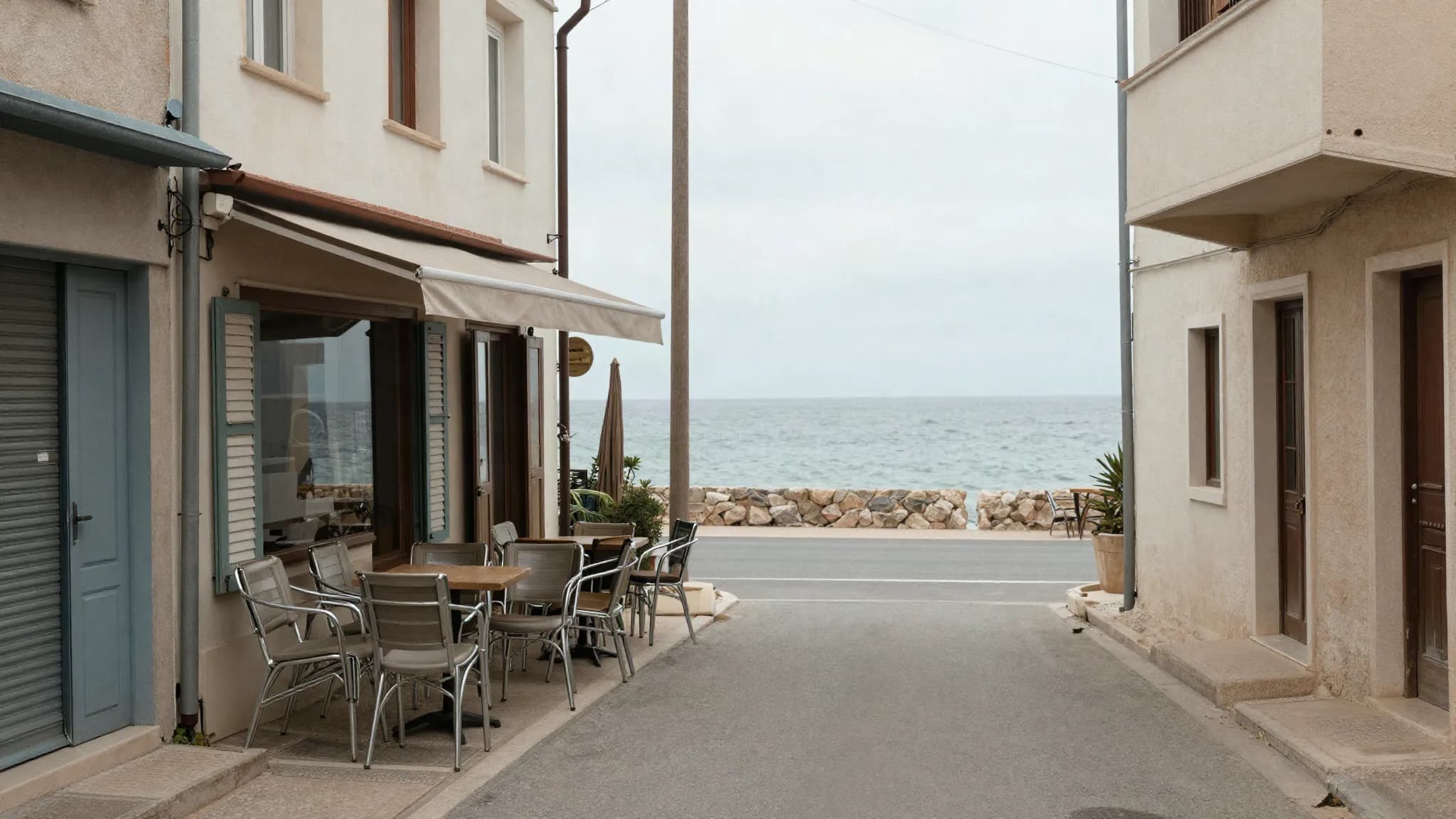
Peak season is defined by school holidays, not by weather. Those two things overlap less often than people assume, which is why the weeks immediately either side of peak are frequently the best time to be somewhere and always the cheapest.
The trade is real, though. Shoulder season has specific failure modes, and they are predictable enough to plan around.
What you get
Price is the obvious one, and the gap is larger than most people expect. Flights and accommodation in the fortnight after peak commonly fall by a third or more, because demand collapses the moment term starts while capacity stays where it was.
Crowding falls further than price does. The queue at a major site in late September bears no relation to the same queue in August, and that changes the experience more than the saving does.
Weather is the underrated benefit. In the Mediterranean, September and early October are usually more pleasant than August: the sea is at its warmest after a summer of heating, and the air has come down from uncomfortable. In the Gulf, the reverse applies, and the shoulder is spring and late autumn, when outdoor life becomes possible again.
Service quality tends to be better too. Staff who are not overwhelmed have time, restaurants take walk-ins, and upgrades appear because rooms are empty.
What can go wrong
Things close. This is the main risk and it is very location-dependent. Seasonal resort towns shut down comprehensively: hotels, restaurants, boat operators, sometimes the ferry itself. A Greek island in late October can be beautiful and largely non-functional. Cities do not have this problem.
Weather variance widens. Shoulder means transitional, and transitional means less reliable. The average may be excellent and the distribution is wider, so a week can go either way. This matters most for trips built around one outdoor activity.
Schedules thin out. Flight frequencies drop, some routes pause entirely, and internal transport moves to winter timetables. A connection that runs daily in August may run twice a week in November.
The activity may be seasonal. Diving, wildlife, skiing and harvest-related travel are governed by conditions rather than by school terms. Cheap accommodation during a period when the thing you came for is unavailable is not a bargain.
How to check before booking
Three checks resolve almost all of this, and they take about fifteen minutes.
Look at reviews filtered to the specific month you intend to travel, not the overall rating. People say plainly when half the town was shut.
Check the operators directly rather than the aggregators. Dive centres, boat trips, mountain lifts and tour operators publish their seasons, and an aggregator will happily sell you a package around an activity that is closed.
Check transport frequency for your exact dates rather than assuming today's schedule holds. This is the one that strands people.
Where the Gulf shoulder sits
For anyone based in the region the calendar is inverted relative to European advice.
Domestic and regional travel is at its worst in July and August, when outdoor activity is limited to early morning and after dark. It is at its best from roughly late October through April, which is peak rather than shoulder here, and priced accordingly.
The genuine regional shoulder windows are the transitions: late April into May, and late September into October. Heat is easing or building but tolerable, prices have not reset, and coastal water is warm. For diving in particular, those windows often produce excellent conditions with a fraction of the boat traffic. Our guide to Red Sea and Gulf conditions by season covers the water side of that in more detail.
Outbound, the same months send Gulf residents towards destinations entering their own quiet period, which is why September flights out of the region often price well. Closer to home, the east coast and Musandam are at their most workable in exactly these transitional weeks.
The version that works reliably
If you want the shoulder benefits with the least exposure, pick a city rather than a resort, and pick one with an economy that does not depend on tourism.
Cities operate year-round. Restaurants stay open, transport keeps running, and museums do not have a season. You get the lower prices and the shorter queues without the risk that the place has closed for the winter.
Save resort destinations for the edges of peak rather than deep off-season: the week after schools return rather than two months later. That is where the price has already dropped and the infrastructure is still running, and it is the single best-value week in most travel calendars.
Published in The Outspoken Digest
Editorial desk
Outspoken Digest Travel DeskDestinations, airlines, borders and the practicalities of getting there.
Newsletter
The Digest, in your inbox
One edition, sent when it is ready. No noise, and your address is never passed on.
Read Next
More Travel →
British Airways Is Back in Sri Lanka: The First Gatwick to Colombo Flight Lands After 10 Years
Oct 24, 2026/2 min read
Etihad Starts Abu Dhabi to Calgary Nonstops on Sunday, Western Canada's First Gulf Link
Oct 23, 2026/2 min read
Western Sydney Airport Opens to Passengers on Sunday: First Flights, Airlines and How to Get There
Oct 22, 2026/2 min read
Alaska and Hawaiian Airlines Will Fly Nonstop From Seattle to Osaka and Tahiti From Spring 2027
Oct 20, 2026/2 min read