Slow Media Is the Better Alternative to a Total Digital Detox
A calmer information diet does not require disappearing offline. It means choosing fewer sources, fixed reading windows and formats that can actually end.
Outspoken Digest Editorial Desk
Tuesday, July 28, 2026/2 min read
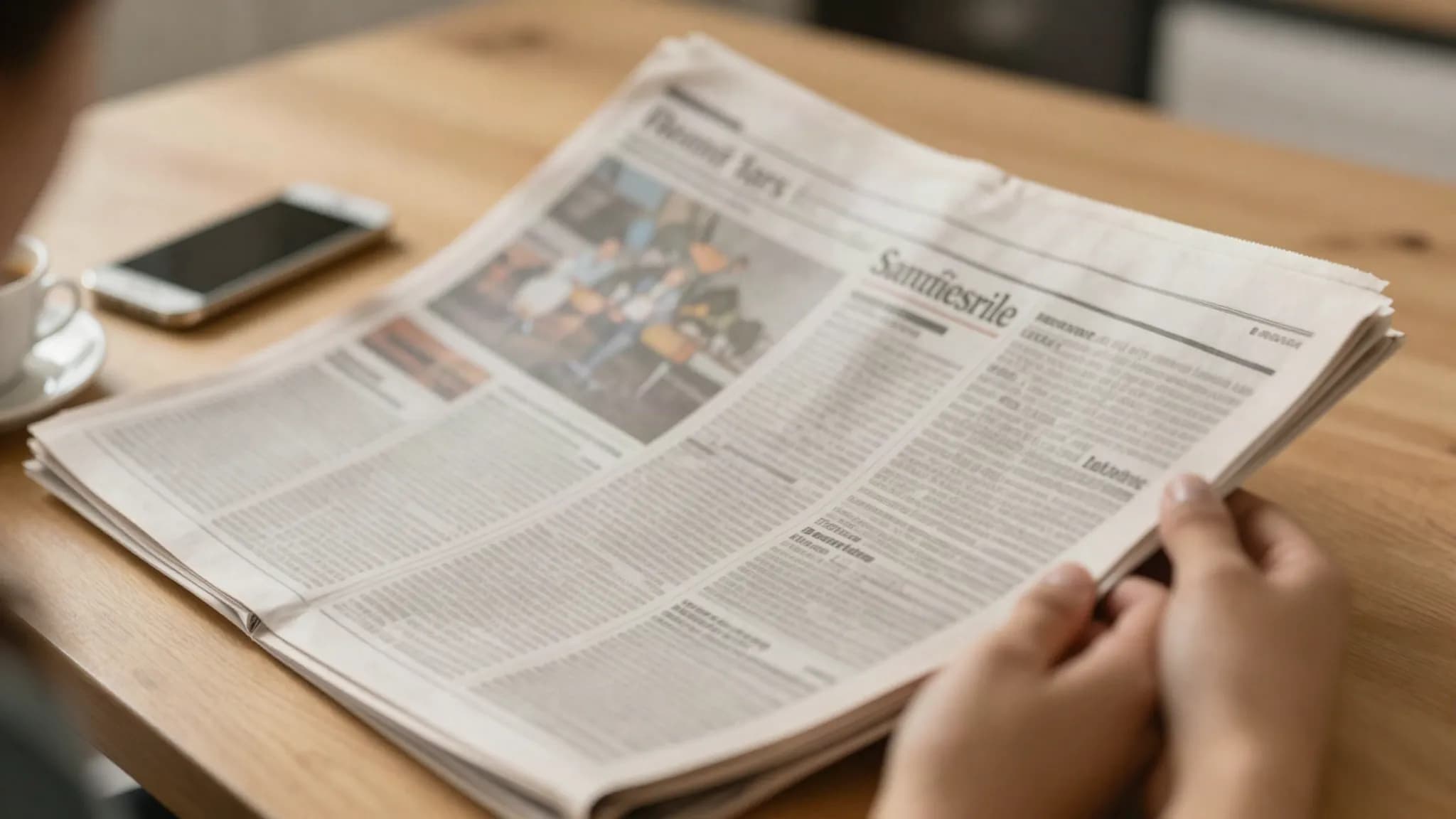
A total digital detox sounds clean because it turns an attention problem into a switch: log off and life improves. Most people cannot or do not want to live that way. Slow media offers a more durable alternative. It keeps useful technology while changing pace, source and stopping rules so information serves the day instead of occupying every spare moment.
Why this is landing now
Reuters Institute Digital News Report provides the factual starting point. News alerts, short video and endless feeds are designed around continuation. Slow formats behave differently. A printed magazine ends. A saved long article can be finished. A podcast episode has a duration. A scheduled check of two trusted outlets creates a boundary that breaking-news refreshes do not. The goal is not ignorance; it is enough context without permanent vigilance.
Information has social value, and stepping back can feel irresponsible during a crisis. Yet constant exposure does not guarantee understanding or action. It can flatten urgent events and trivial updates into the same stream. A slower system preserves routes for genuinely important alerts while moving commentary, reaction and entertainment into deliberate windows.
What it looks like in ordinary life
The durable version should improve attention, belonging or daily ease without demanding that every quiet pleasure become a project.
Choose one morning source and one evening source. Disable topic alerts that rarely change a decision. Save substantial pieces to a reading list and delete the list monthly without guilt. Put entertainment feeds behind a time boundary rather than beside work. When a story matters, read the primary document or full report before the reaction cycle.
A compact reader's checklist
- Use fixed windows instead of continuous checking.
- Keep a route for local and emergency alerts.
- Read primary sources before reaction threads.
What the wider evidence adds
Center for Humane Technology: The Attention Economy adds a second perspective. The Reuters Institute's Digital News Report tracks rising news avoidance and fatigue across markets, showing that more access does not automatically produce a healthier relationship with information. The Center for Humane Technology explains how persuasive design competes for attention, which is why personal intention works better when the environment also changes.
The comparison matters because one dramatic example rarely explains a whole trend. A useful article should leave the reader with a way to test the idea, notice tradeoffs and choose a proportionate next step.
The part worth resisting
Slow media can become a polished excuse to ignore communities whose safety depends on rapid information. Keep emergency alerts, local notices and direct messages from people who matter. The practice is about removing compulsive repetition, not choosing comfort over reality.
The lasting idea
Begin small enough to observe the result. Keep what improves the real experience and release what only looked convincing in a headline or showroom. Curiosity becomes valuable when it is paired with boundaries, evidence and permission to decide that a trend is not for you.
Published in The Outspoken Digest
Editorial
Outspoken Digest Editorial DeskThe Digest's own desk: the pieces that do not sit in one section.
Newsletter
The Digest, in your inbox
One edition, sent when it is ready. No noise, and your address is never passed on.
Read Next
More Lifestyle →
Two Stolen Renoirs Found Behind a Cinder-Block Wall as Police Say Suspects Eyed the Fondation Maeght
Oct 15, 2026/2 min read

Hulu Orders Ryan Coogler's X-Files Reboot to Series With Danielle Deadwyler and Himesh Patel
Oct 14, 2026/2 min read

Tarek Atoui Opens Hold in Tate Modern's Turbine Hall, Turning the Cavernous Space Into a Giant Sound Instrument
Oct 13, 2026/2 min read

Jodie Comer, Adrian Lester and a Mary Whitehouse Play Take Top Honours at the 2026 UK Theatre Awards
Oct 12, 2026/2 min read