Third Places Matter More in a Work-From-Anywhere City
Libraries, cafés, parks and community rooms give remote workers something home offices cannot: low-pressure contact, local rhythm and shared belonging.
Outspoken Digest Editorial Desk
Tuesday, July 28, 2026/2 min read
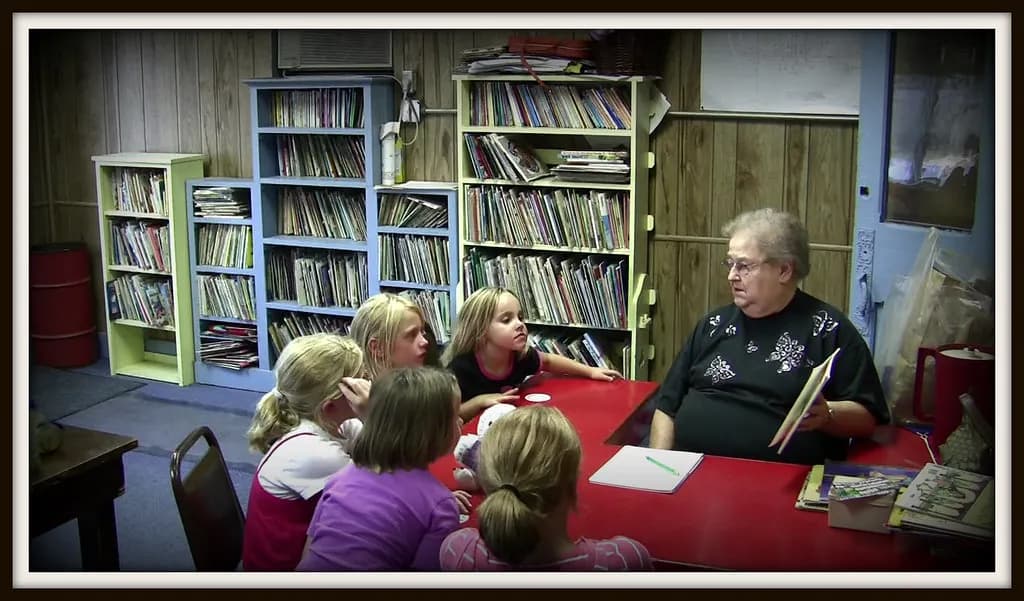
Working from anywhere solved the commute for millions of people and quietly removed dozens of small encounters from the week. The third place, neither home nor formal workplace, is becoming valuable again because it restores contact without requiring a meeting invitation. A library table, neighborhood café or shaded public square can give the day texture as well as Wi-Fi.
Why this is landing now
WHO Commission on Social Connection provides the factual starting point. Remote work concentrates comfort and isolation in the same room. Third places introduce weak social ties: the barista who recognizes a face, the parent seen at the same park, the person reading nearby. These connections are not substitutes for close friendship, but they make a city feel inhabited rather than consumed through deliveries and screens.
The phrase can romanticize spaces that depend on underpaid workers or require repeated spending. Not everyone can buy several coffees to earn a seat, and not every library has enough hours, power outlets or quiet space. A healthy third-place culture needs public investment as well as attractive private venues.
What it looks like in ordinary life
The durable version should improve attention, belonging or daily ease without demanding that every quiet pleasure become a project.
Map three nearby options with different purposes: quiet concentration, casual conversation and outdoor reset. Learn the house rules. Buy appropriately in commercial spaces, rotate visits and support public libraries. Leave calls for home or a booth. The point is to join the rhythm of a place without treating it as a free office.
A compact reader's checklist
- Choose places that allow regular, low-cost return.
- Match the activity to the venue's rules.
- Include public and outdoor options, not only cafés.
What the wider evidence adds
Brookings: Transformative Placemaking adds a second perspective. The World Health Organization's work on social connection frames isolation as a public-health concern, while Brookings research on public space and community development shows how shared places can build trust and local economic activity. The strongest spaces work because people can return without needing a special event.
The comparison matters because one dramatic example rarely explains a whole trend. A useful article should leave the reader with a way to test the idea, notice tradeoffs and choose a proportionate next step.
The part worth resisting
A third place should not become another productivity hack that extracts value from every hour. Sometimes the benefit is simply seeing other people and walking home with a clearer head. Respect privacy, accessibility and the people who maintain the space.
The lasting idea
Begin small enough to observe the result. Keep what improves the real experience and release what only looked convincing in a headline or showroom. Curiosity becomes valuable when it is paired with boundaries, evidence and permission to decide that a trend is not for you.
Published in The Outspoken Digest
Editorial
Outspoken Digest Editorial DeskThe Digest's own desk: the pieces that do not sit in one section.
Newsletter
The Digest, in your inbox
One edition, sent when it is ready. No noise, and your address is never passed on.
Read Next
More Lifestyle →
Two Stolen Renoirs Found Behind a Cinder-Block Wall as Police Say Suspects Eyed the Fondation Maeght
Oct 15, 2026/2 min read

Hulu Orders Ryan Coogler's X-Files Reboot to Series With Danielle Deadwyler and Himesh Patel
Oct 14, 2026/2 min read
Tarek Atoui Opens Hold in Tate Modern's Turbine Hall, Turning the Cavernous Space Into a Giant Sound Instrument
Oct 13, 2026/2 min read
Jodie Comer, Adrian Lester and a Mary Whitehouse Play Take Top Honours at the 2026 UK Theatre Awards
Oct 12, 2026/2 min read