The Transfer Window Shuts on 2 September, and the Last Six Hours Are Where Clubs Lose Money
Deadline day is not a shopping trip. It is a forced auction with a countdown, in which every buyer's alternatives disappear at the same moment, and the selling club knows it.
Friday, August 21, 2026/3 min read
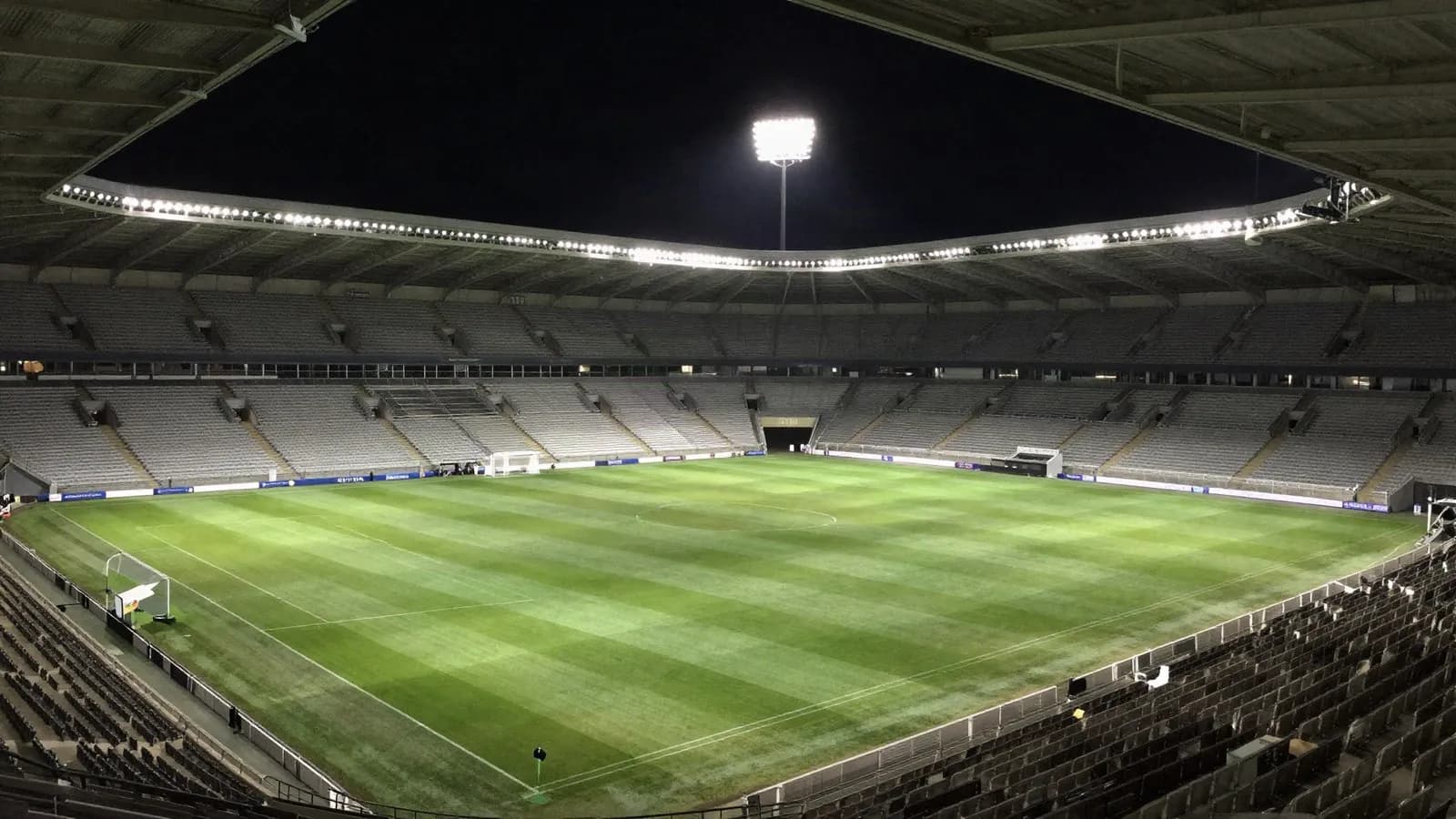
The English summer transfer window opened on 15 June and closes at 23:00 BST on Tuesday 2 September. Everything that happens in the final hours will be reported as drama, and most of it is better understood as a pricing mechanism working exactly as designed.
The interesting question is not who moves. It is why clubs consistently pay more at the end than they would have paid at the start.
Why do prices rise as the deadline approaches?
Because the buyer's alternatives vanish and the seller's do not.
In June, a club that wants a striker has a list. If the first target is too expensive there is a second and a third, and that competition between options is what disciplines the price.
By the final afternoon the list is gone. Rivals have signed the alternatives, the remaining targets know they are the last option, and the buying club is choosing between one specific player and going a whole season without. The selling club understands that the moment the window shuts, the buyer's problem becomes unsolvable for four months.
That is not negotiation. It is an auction with one lot and a countdown, and there is a reason economists find deadline behaviour interesting well outside football.
What is the loan market actually for?
Distributing wages, more than distributing players.
A large share of late business is loans, often with an obligation or option to buy attached, and the reason is financial rather than sporting. A club carrying a contract it can no longer justify does not need to sell the player. It needs someone else to pay the salary.
An option to buy converts an immediate accounting problem into a decision deferred by a year, which is frequently the actual objective. Anyone reading the last day as purely a scramble for talent is missing that a good deal of it is balance sheet management conducted in public.
Why does so much happen in the final hour?
Because deals are chains, and chains only resolve at the end.
A club will not sign a replacement until the outgoing sale is agreed, and that sale depends on the buying club completing its own outgoing deal. Four or five transfers can be interlocked, each waiting on another, and none can complete until every link is agreed.
When one link breaks, the whole chain fails, which is why a club can spend a month working on business and finish the window having done nothing. It also explains the paperwork failures: a deal agreed at 22:40 has twenty minutes to be documented and filed, and the deadline is enforced.
Does spending late actually work?
The evidence is not kind, and the reason is structural rather than about judgement.
A player signed on the last day has done no pre-season with the squad, does not know the patterns, may not speak the language, and arrives into a team already several matches into its season. The adaptation period runs into autumn, by which point a meaningful share of the campaign has gone.
Set against that, the fee is usually higher than it would have been in June and the wages are frequently higher too, because urgency is visible to the agent as well. A club is paying a premium for an asset that will deliver late.
The clubs that do this well tend to be the ones that finish their business early and spend deadline day selling. That is a much duller strategy, and it is the one that survives contact with a season that has already started.
What is worth watching this time?
The direction of money, more than the names.
Reported dealings this summer include significant movement between Premier League clubs and continental sides, with fees in the tens of millions running both ways rather than the one-way flow out of England that characterised earlier windows. Whether that holds through the final week is the genuinely open question.
The other thing worth noting is timing. This window closes with a World Cup year approaching, and an expanded tournament across three hosts changes the calculation for any player weighing regular football against a bigger badge. Squad places matter more than usual when a national team place depends on playing.
Published in The Outspoken Digest
Newsletter
The Digest, in your inbox
One edition, sent when it is ready. No noise, and your address is never passed on.
Read Next
More Sports →
Edwards Scores 45 as Timberwolves Rout Heat on Giannis Antetokounmpo's Debut, and Pistons Rally From 22 Down
Oct 22, 2026/2 min read

Rice Rescues Arsenal With an 82nd-Minute Equaliser at Bayern Munich After Kane's Penalty Made It 2-1
Oct 22, 2026/2 min read

Rays and Brewers Meet in a World Series Neither Franchise Has Ever Won, With Game 1 on Friday
Oct 21, 2026/2 min read
Liverpool Come From Two Goals Down to Beat Villarreal 4-3 on a Champions League Night of 40 Goals
Oct 21, 2026/2 min read