Europe Shuts Its Transfer Window on 1 September. Saudi Arabia Keeps Buying Until October
The Premier League, La Liga and Serie A close on 1 September. The Saudi Pro League stays open until 12 October. Those six weeks are the most important structural fact in this transfer market.
Monday, August 17, 2026/4 min read
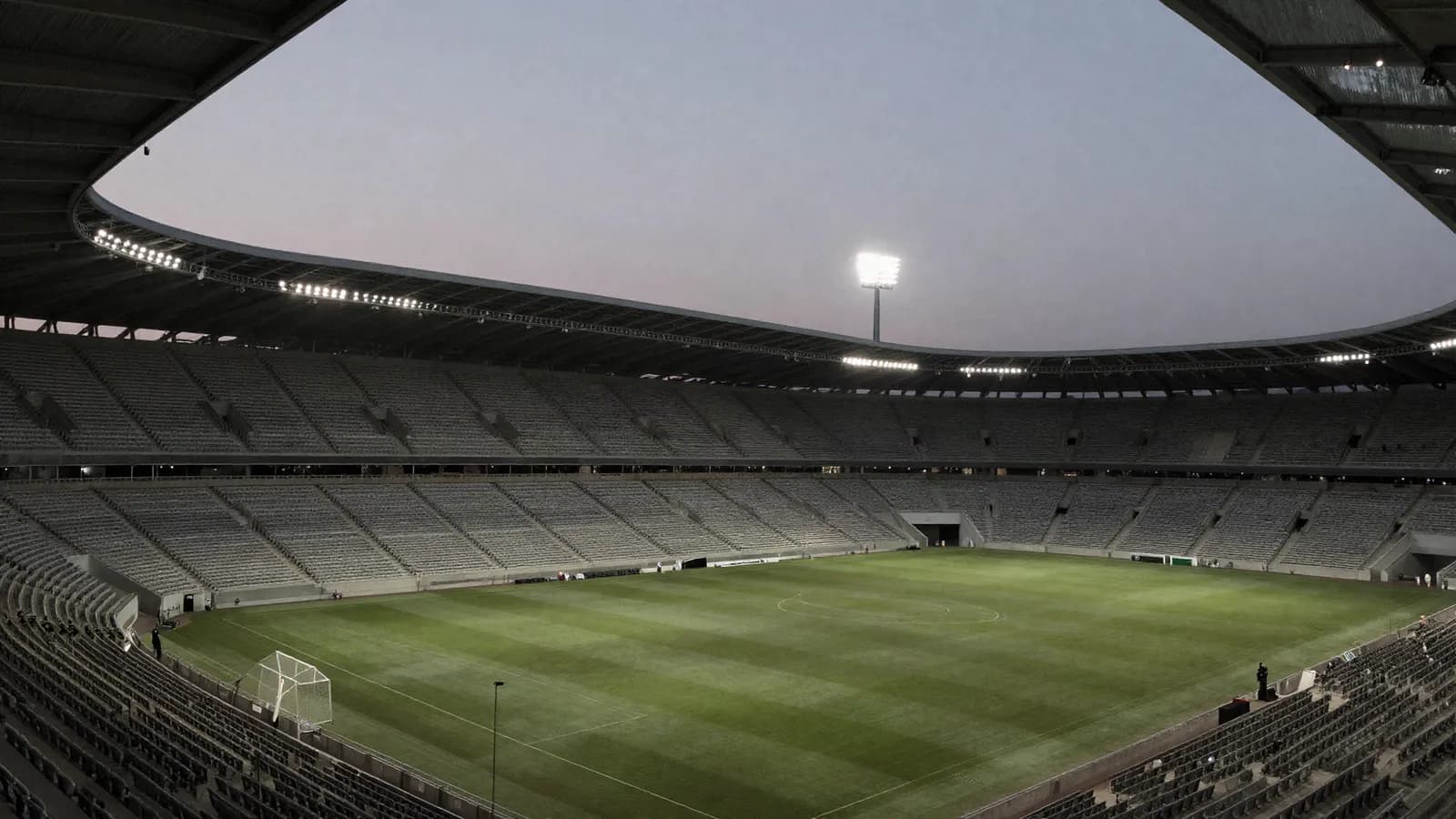
The 2026 summer transfer window closes for Premier League, La Liga and Serie A clubs on Tuesday 1 September at eleven in the evening British time. Bundesliga and Ligue 1 clubs have until Monday 31 August. The Saudi Pro League, which opened on 22 July, does not close until 12 October.
That six-week gap is the most consequential thing about this market, and it is discussed less than any individual rumour.
What a staggered deadline actually does
A transfer window is a market with a hard stop, and the stop is what gives deadline week its behaviour. Prices move. Clubs blink. A player who was unsellable in July becomes affordable at nine in the evening on the first of September.
When two markets stop at different times, the later one holds an option the earlier one has given away.
From 2 September, a Saudi club can bid for a player at a European club knowing the seller cannot go out and replace him. The seller's choice is no longer "accept this offer or hold out for a better one". It is "accept this offer or carry a hole in the squad until January".
That is a genuine transfer of negotiating power, and it does not require anyone in Riyadh to be a shrewder negotiator. It is the calendar doing the work.
Why European clubs cannot simply refuse
They can, and many will. But refusal has a price that rises with the size of the fee.
A club that turns down a very large September bid is making a football decision and a financial one at the same time, and the financial one is now weighted by profitability rules. A player sold for cash generates pure accounting profit against a book value that has been depreciating since he arrived. A player kept generates wages. For clubs close to a spending limit, that arithmetic is not sentimental.
The escape routes are narrow. A selling club can sign a free agent after the window shuts, which is why unattached players are quietly valuable in September, and it can move within its own league only if that league has an open window. It cannot buy a replacement from Spain or Germany. Those markets are closed.
The player's side of it
A footballer who wants to leave in September has more leverage than one who wants to leave in August, and the reason is the same asymmetry. In August the club can say no and replace him if it changes its mind. In September the club can only say no.
The counterweight is registration. A player who moves to Saudi Arabia in October has missed the start of a season, may be ineligible for continental competition depending on the tournament's own registration deadlines, and is arriving at a squad already built. Late money and late football are not the same thing.
Has this happened before?
Yes, and the complaint is old. Leagues outside the traditional big five have often closed later, and Turkish and Russian clubs have historically been able to shop after English clubs could not respond. Managers have been raising it at press conferences for the better part of two decades.
What has changed is the money standing behind the late window. A structural quirk only matters when someone has the resources to use it at scale, and the Saudi Pro League has spent three summers proving it does. Our note on what the Saudi window actually spent sets out the scale.
What to watch between 2 September and 12 October
Three things, in order of how much they tell you.
Who sells in that window at all. A club that accepts a bid after its own market has closed is telling you something about its accounts, not about the player.
Whether the fee looks like a premium. If the late price is meaningfully above what the same player would have fetched in August, that premium is the calendar being charged for.
Whether anyone proposes closing the gap. Aligning deadlines globally has been floated repeatedly and gone nowhere, because national associations set their own windows within the limits the international calendar allows, and the leagues that benefit from closing later have no reason to volunteer.
When does the 2026 summer transfer window close?
Premier League, La Liga and Serie A: Tuesday 1 September. Bundesliga and Ligue 1: Monday 31 August. Saudi Pro League: Monday 12 October, having opened on 22 July.
The Premier League season starts on 21 August, which means the first two rounds of fixtures are played by squads that are not yet final, and the Saudi league will still be trading when European clubs are six weeks into their season. For a guide to reading the noise in between, our piece on transfer rumour literacy holds up.
Published in The Outspoken Digest
Newsletter
The Digest, in your inbox
One edition, sent when it is ready. No noise, and your address is never passed on.
Read Next
More Sports →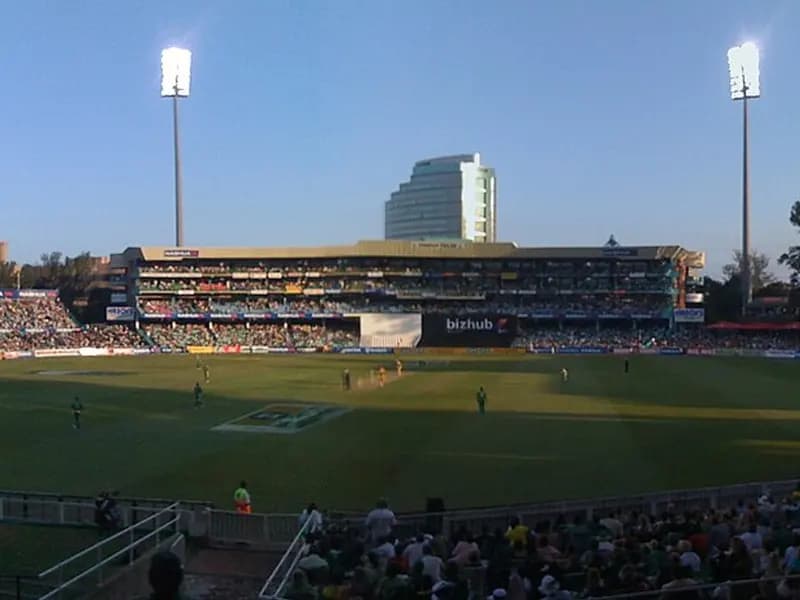
Hazlewood's Six Wickets and Renshaw's 190 Give Australia a 214-Run Win Over South Africa in Durban
Oct 15, 2026/2 min read
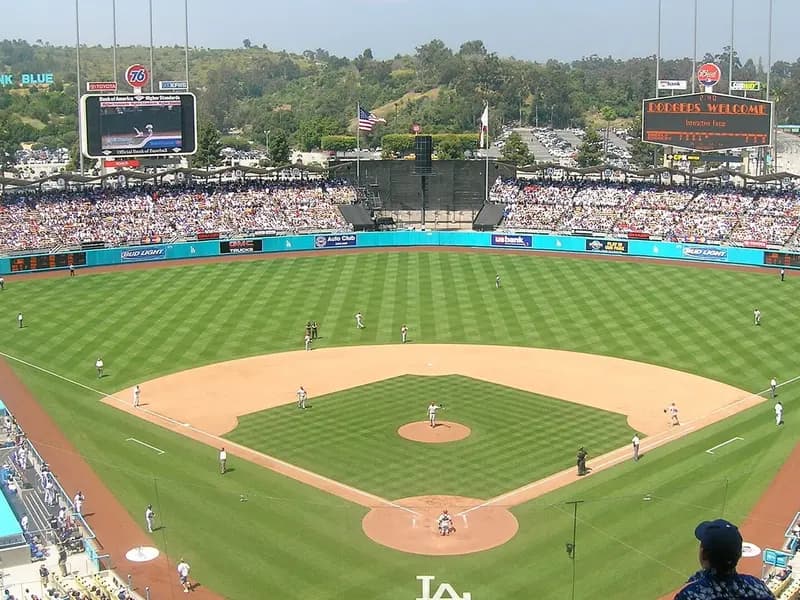
Brewers Beat Dodgers 6-2 for a 3-0 NLCS Lead as Bauers and Mitchell Homer Off Snell in the Seventh
Oct 15, 2026/2 min read

Red Bull Extends Laurent Mekies as Team Principal to 2031 After Verstappen's Back-to-Back Wins
Oct 14, 2026/2 min read
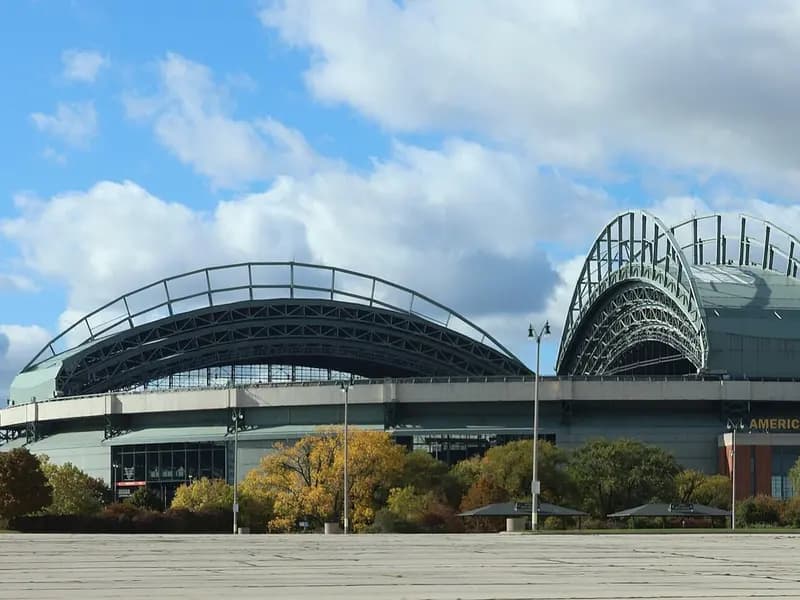
Brewers Go Up 2-0 on the Dodgers in the NLCS as Guardians Beat the Rays in ALCS Game 1
Oct 13, 2026/2 min read