Trump Says the US Will Not Attack Iran Before the Midterms, While Tanker Attacks Cut Hormuz Traffic to a Two-Month Low
A Truth Social post promises a pause until 3 November, but the blockade stays, Tehran calls the talks pointless and tankers are being hit outside the strait. Brent held above $100.
Friday, October 9, 2026/3 min read
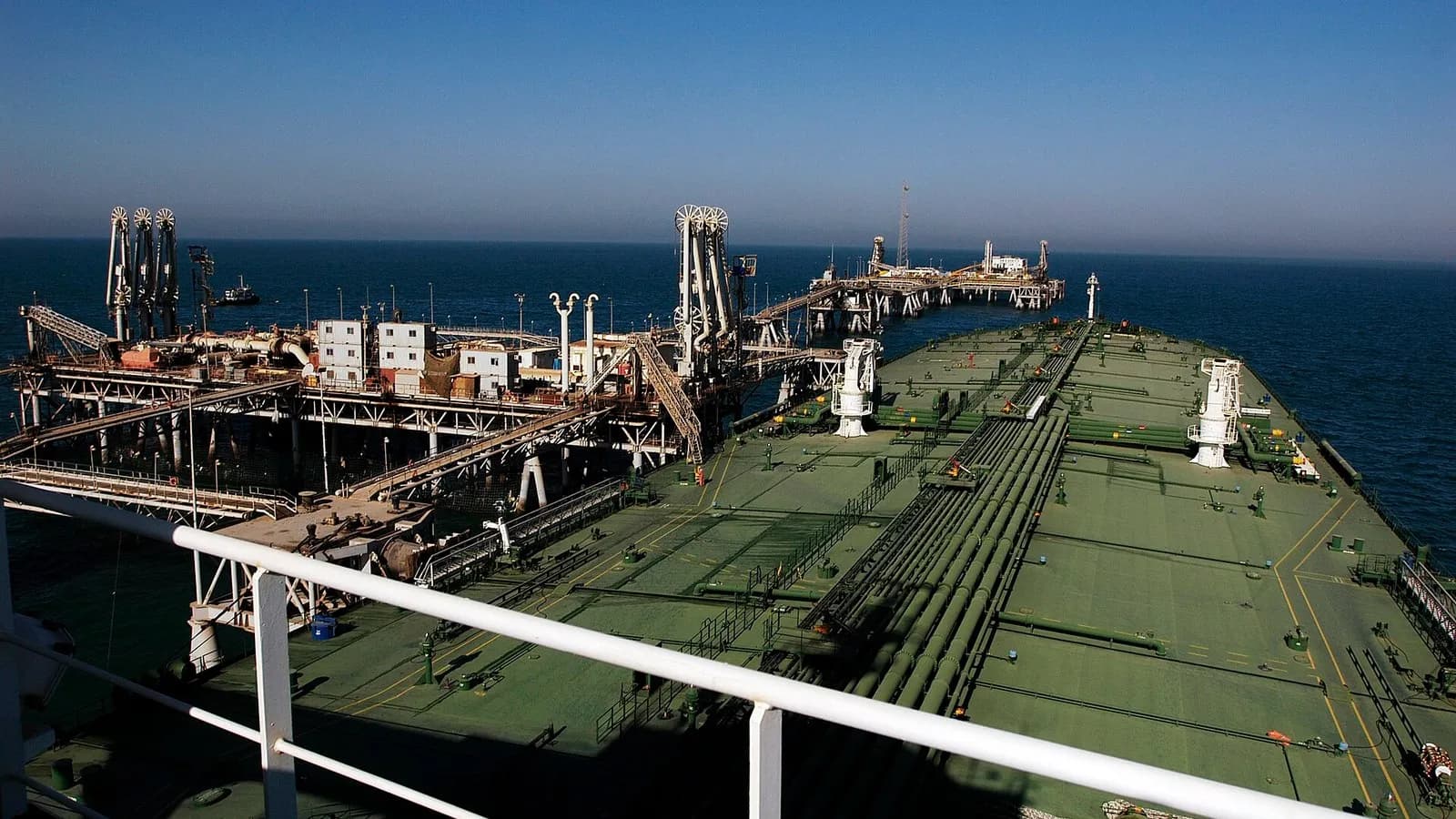
President Donald Trump has promised that the United States will hold its fire on Iran until the midterm elections, even as the shipping lanes of the Gulf grow more dangerous. "We will not be attacking Iran at any time prior to the Midterm Elections to be held in the United States on November 3rd," he wrote in a Truth Social post on Thursday, adding that "We are having productive discussions with the Islamic Republic of Iran", according to CBS News's live coverage.
The same post, as quoted by Mediaite, said the blockade "will remain in full force and effect" and that Iran will not have a nuclear weapon. It followed a report in The Atlantic that the White House had asked the Pentagon for options to strike Iran before the vote. A White House official answered: "The Commander-in-Chief has all options available at any time."
Does the pledge mean a deal is close?
Nothing from Tehran suggests so. President Pezeshkian of Iran said this week that negotiations with Washington were "meaningless", and Foreign Minister Abbas Araghchi said Iran would answer the US position on its seven-day plan within a few days, CBS reported. President Vladimir Putin told Pezeshkian that Russia would "do everything" to help end the war. At the weekend the Pentagon chief called the blockade "ironclad", as we reported on 5 October.
What is happening to ships in the strait?
Traffic is falling. Kpler data cited by Reuters, via The National, showed seven commodity ships crossing on Tuesday, the fewest since 23 July, against more than 20 on Sunday and Monday. About 125 large commercial vessels passed each day before the war began on 28 February. Crude flows were at least 10.1 million barrels a day, down 27 percent from the wartime high a week earlier and 74 percent of pre-war levels. Exports from the Gulf of Oman and Red Sea coasts, at 6.7 million barrels a day, are more than double their pre-war level and are covering part of the gap.
Maritime security sources told Reuters that attacks on tankers in Hormuz hit their highest weekly level since the war began. The UK Maritime Trade Operations agency, UKMTO, had counted nine attacks in the strait so far in October, per CBS.
Are the attacks spreading beyond Hormuz?
Possibly. Euronews reported that two vessels were hit within 24 hours, both outside the strait. The Antigua and Barbuda-flagged tanker Acers was struck by several projectiles 51 nautical miles north of Madinat ash Shamal in Qatar on Wednesday, with casualties reported but not quantified. A second ship, likely the Marshall Islands-flagged Dhalgout, was reported on fire about 40 kilometres off Fujairah on Thursday, though the cause was unclear.
Neither Iran nor media linked to the Revolutionary Guards claimed the strikes, but Guards-linked outlets implied the campaign has widened to vessels Tehran considers in breach of its rules. Iran's acting defence minister, Majid Ebn ol-Reza, wrote on X: "The distance between you and us is determined by our missiles."
What did the pledge do to oil and fuel prices?
Brent rose about 4 percent to nearly $105 a barrel before the post, CBS said, and fell back to about $103 afterwards, with US crude near $90, according to Yahoo Finance. AAA data showed petrol averaging $4.36 a gallon and diesel $6.28, and Trump said on Tuesday he was considering suspending the federal gas tax.
The promise has a built-in expiry date. The midterms are 25 days away, the blockade stays, and Araghchi's answer on the seven-day plan is due within days. What Iran does with its missiles before then may matter more than anything Washington posts.
Published in The Outspoken Digest
Editorial desk
Outspoken Digest News DeskReports for The Outspoken Digest across Latest Trends, Sports, Nutrition, Crypto.
Newsletter
The Digest, in your inbox
One edition, sent when it is ready. No noise, and your address is never passed on.
Read Next
More Latest Trends →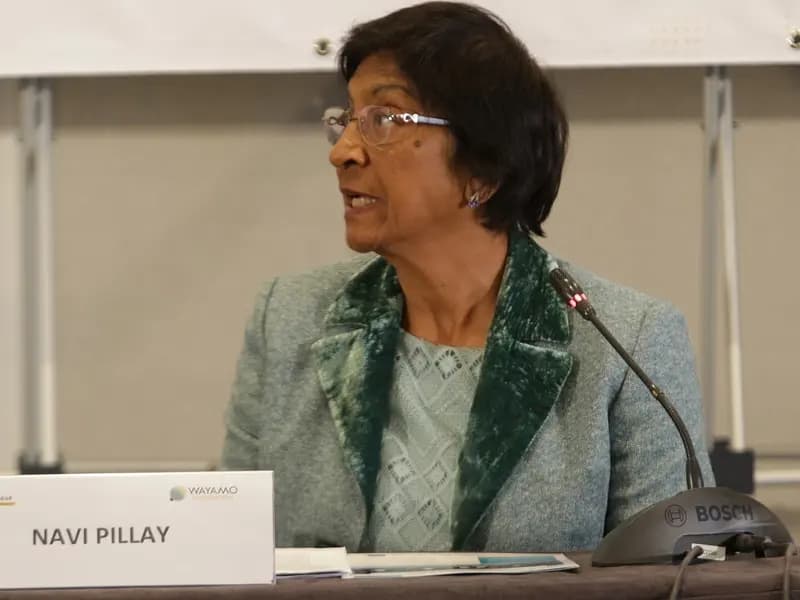
Navi Pillay, the South African Jurist Who Led the UN Gaza Inquiry, Wins the 2026 Nobel Peace Prize
Oct 9, 2026/3 min read

Russian Strikes Killed 22 in Pryluky and at Least 30 on Two Buses in Kramatorsk Within Two Days
Oct 9, 2026/2 min read
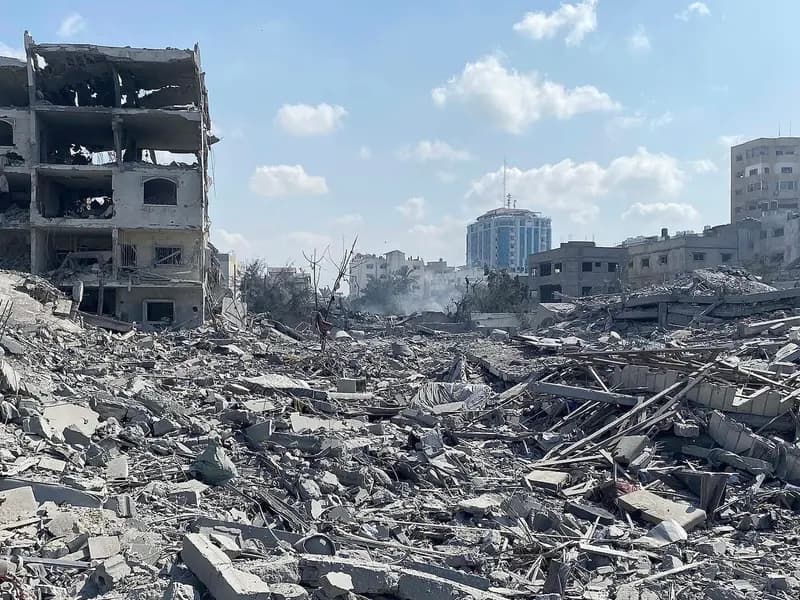
A Year After the Gaza Ceasefire, More Than 100 Aid and Rights Groups Say It Exists in Name Only
Oct 9, 2026/2 min read

Bosnia Returns the Same Ethnic Parties as Turnout Falls to a Record Low and Dodik Claims a Victory From Off the Ballot
Oct 6, 2026/2 min read