The UAE Buys Candles the Way It Buys Oud, and a New Generation of Local Brands Has Noticed
Home fragrance in the Emirates is not a wellness import. It sits on top of a bakhoor and oud culture that was already there, which is why a crowded market keeps making room for small local labels.
Outspoken Digest Business Desk
Saturday, September 5, 2026/4 min read
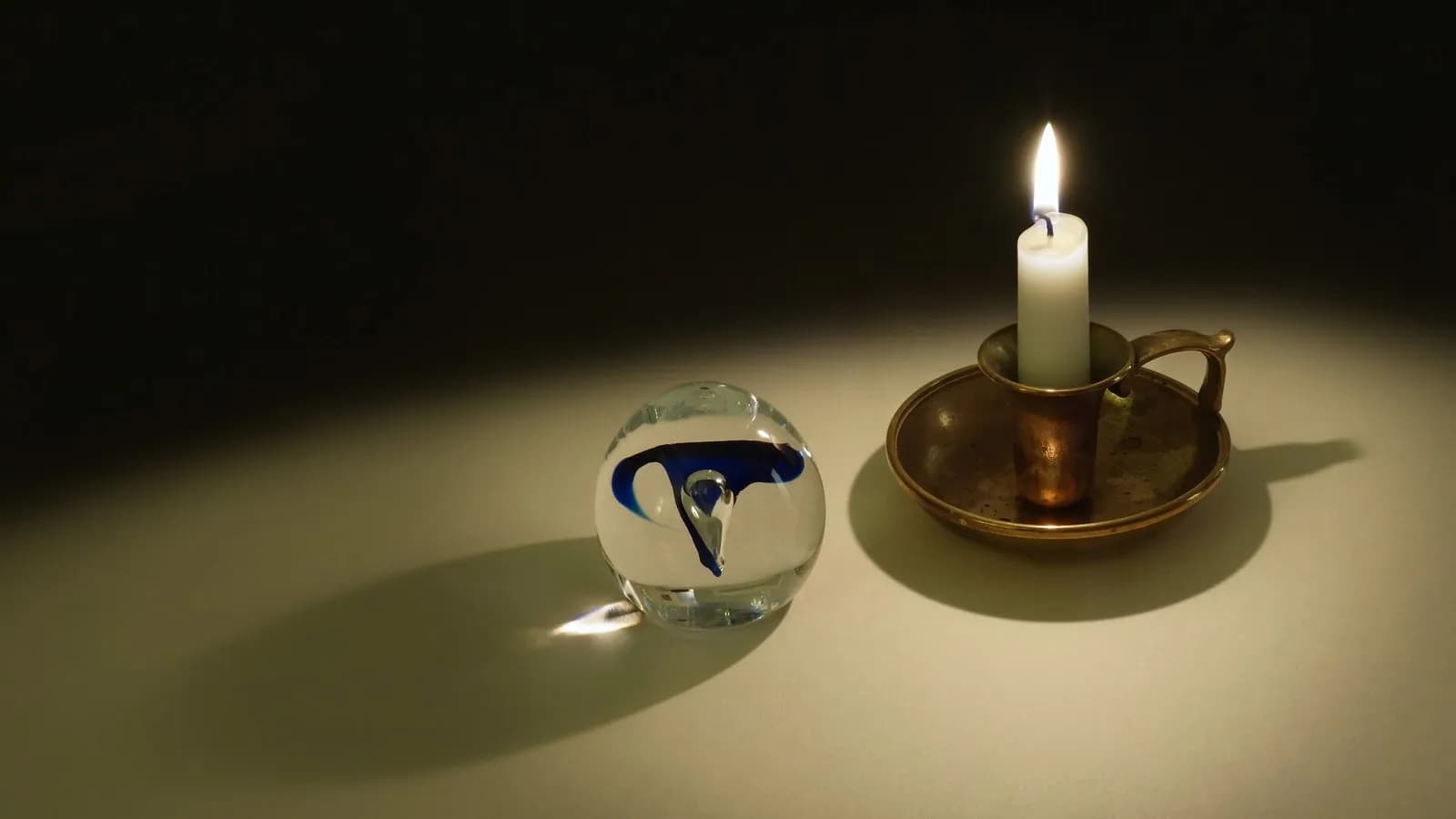
To understand why so many candle brands launch in the Emirates, start with the thing that came first.
Scenting a home here is not a lifestyle adoption. Burning bakhoor, wood chips soaked in fragrant oils, is an established domestic and hospitality ritual, and oud has a cultural weight in the Gulf that no Western fragrance category matches. A guest arriving is met with scent. The habit of buying fragrance for a room, rather than only for a body, was in place long before anybody poured soy wax into a ceramic vessel.
A candle brand entering this market is therefore not creating a habit. It is offering a new format for one that already exists, which is a far easier commercial proposition and a far more crowded one.
The size of it
Forecasts vary, and it is worth saying so plainly rather than quoting one number as fact.
One research house puts the UAE home fragrance market at around 311 million dollars in 2026, growing to roughly 441 million by 2031, a compound rate near 7.2 percent. Another projects growth closer to 9 percent annually through the end of the decade. Market sizing in a category this fragmented involves a great deal of estimation, and the useful signal is not the specific figure but that several independent forecasts agree on the direction and rough order of magnitude.
Within that, candles are consistently identified as the fastest growing product segment.
Why the barriers to entry are so low, and why that is the problem
Candle making requires wax, wicks, fragrance oil, vessels and a workspace. There is no meaningful capital barrier, no regulatory hurdle comparable to cosmetics or food, and a functioning online storefront costs very little.
Which means the category is not competitive on the product. It is competitive on everything else: the vessel, the photography, the name, the shelf it sits on, the influencer holding it. A candle is bought as an object and as a gift long before anybody smells it.
That is the real barrier, and it is why so many launches stall at the point where the founder's own network is exhausted.
Who is actually operating here
The homegrown field is genuinely varied, and the interesting thing is how differently these brands have chosen to position.
From the Arabs makes Emirati identity the proposition rather than a decorative note, working with dark ouds and Arabian jasmine. It is the closest of the group to the region's existing fragrance vocabulary rather than an import of the Western candle idiom.
Nara Candle works with onyx vessels and Khaleeji-inspired scent profiles, and sells on the vessel as a permanent object.
The Rume pours coconut and beeswax blends into a lighter, fresher register.
Pluto designs explicitly for the regional climate, which is a more substantial point than it sounds: a wax formulated for a temperate room behaves differently in a Gulf summer, and soft waxes can slump.
Melosa Candles and Light of Sakina occupy the accessible luxury band that most of this category targets.
Alongside them sit the international houses stocked in Dubai's department stores, which is the competition the local brands are actually pricing against.
Soft Existence, and the strategy of not being only a candle
Soft Existence launched this June, and its approach is worth isolating because it addresses the structural problem above.
The label sells hand-poured soy candles in faceted ceramic and frosted glass, with a short range: Bloom, pomegranate and pink pepper; Golden Hour, cinnamon and bergamot; Nocturne, black coffee and vanilla; Quiet Hours, lavender in blush ceramic. Prices sit mostly between 89 and 120 dirhams, in the accessible premium band rather than the luxury one.
The part that matters commercially is that it does not sell only candles. The launch range pairs them with woven cotton home organisation pieces, and the brand describes its aesthetic as warm minimalism.
That is a deliberate answer to the category's weakness. A candle brand lives and dies on repeat purchase of a consumable that customers buy a few times a year. A home goods brand that also sells candles has a reason for a customer to return that does not depend on them having burned through something, and it turns a single-product label into a shelf. We covered the launch in this piece.
What separates the survivors
Three things, on the evidence of the labels that have lasted.
A scent identity that is not a copy of a European house. The brands doing well here are either building on oud, amber, incense and jasmine, which is a register their customers already have opinions about, or they are consciously offering an alternative to it. The ones that fail are usually the ones offering a slightly worse version of a fragrance available in every airport.
A vessel that survives the candle. Customers in this market keep the container, and a ceramic piece that becomes a pen pot is a brand sitting on a desk for years.
And formulation for the climate. A wax that softens at 40 degrees in a delivery van is a returns problem, and it is the least glamorous and most decisive technical detail in the business.
Published in The Outspoken Digest
Editorial desk
Outspoken Digest Business DeskCompanies, markets and the money moving through the region.
Newsletter
The Digest, in your inbox
One edition, sent when it is ready. No noise, and your address is never passed on.
Read Next
More Business →
Kospi Plunges Almost 8 Percent and the Nikkei Falls 5 Percent as the Tech Sell-Off Spreads to Asia
Oct 15, 2026/2 min read

Hot September Inflation Report Hands the S&P 500 Its Worst Day Since July as AI Stocks Sink
Oct 15, 2026/3 min read

Jio Platforms Sets IPO Price Band at Rs 1,065 to Rs 1,119, Opening Subscription on 21 October
Oct 14, 2026/2 min read
Starbucks Says It Is Not Buying Chipotle, Ending a Four-Day Takeover Story and Costing Chipotle About 4 Percent
Oct 13, 2026/2 min read