Britain, France and Canada Ban Settlement Goods, Nine States Follow, and Israel Closes the British Consulate
Ed Miliband told Parliament the trigger was the E1 tender for 1,200 homes east of Jerusalem, a red line Britain drew two decades ago. The ban covers settlement goods and the services that build settlements, not Israel itself. Twelve countries signed on.
Thursday, September 10, 2026/3 min read
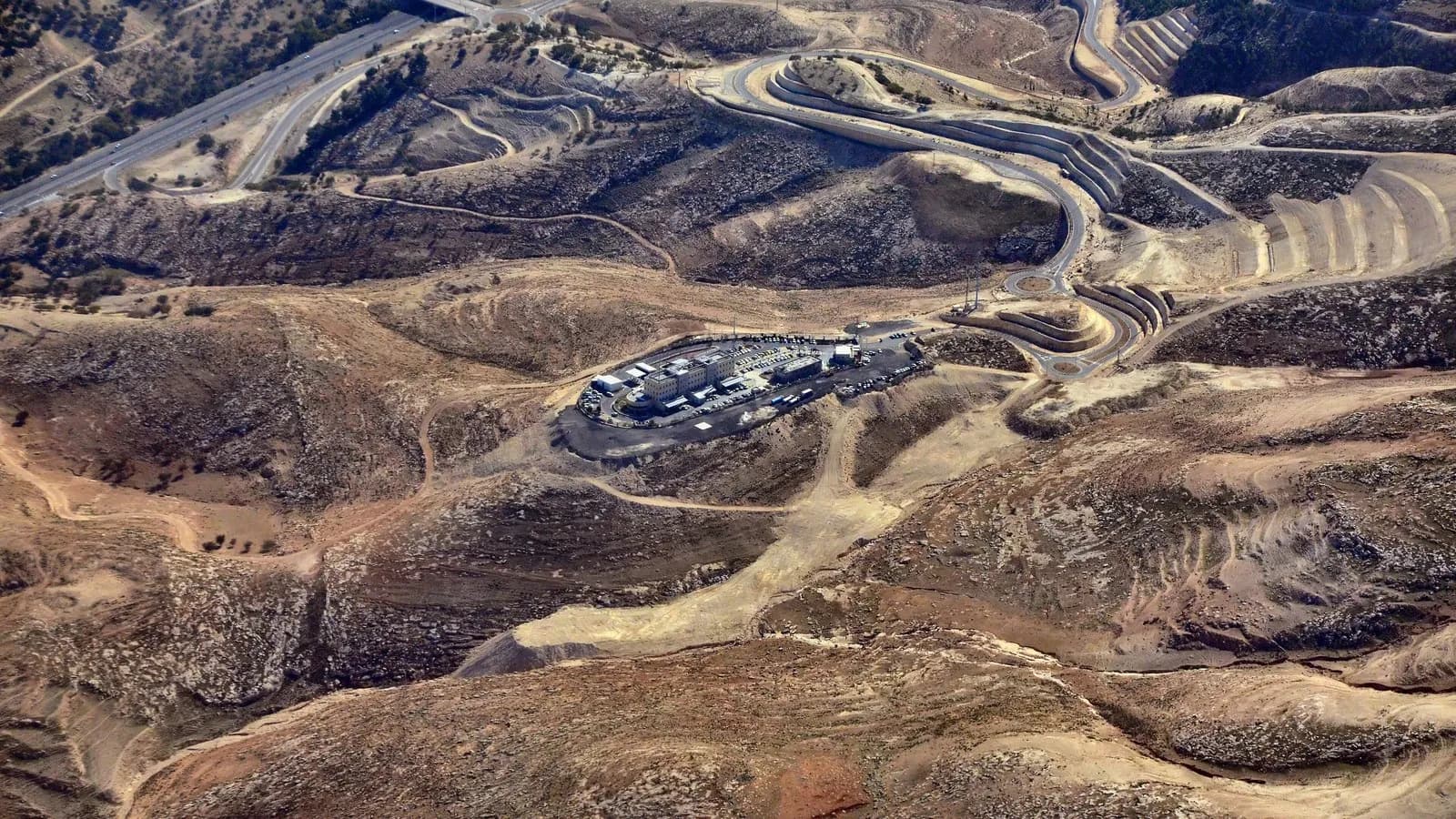
On Tuesday the British foreign secretary, Ed Miliband, stood up in the House of Commons and announced that the United Kingdom would ban the import of all goods produced in Israeli settlements in the occupied West Bank and East Jerusalem. France and Canada announced the same day that they would do likewise. By evening twelve countries had signed a joint statement calling for an immediate halt to settlement expansion and committing to restrict trade with the settlements, and Israel's foreign minister had ordered the British consulate in Jerusalem closed.
What the ban covers
According to Al Jazeera's account of the measures, the British regime prohibits goods from the settlements and extends to the services that sustain them: organisations, businesses and individuals providing construction, infrastructure, financing or real estate for settlement expansion, and advertising in Britain for property in settlements. It adds sanctions on settlers who have supported or incited violence against Palestinians and stops new export licences for weapons that would materially contribute to the occupation. Miliband was explicit that the regime targets illegal settlements and settlement expansion, not Israel: goods and services from Israel within its recognised borders are unaffected.
The economic weight is small and the point is not economic. Britain imported an estimated 38 million pounds of goods from the occupied territory in 2025, less than one per cent of a six-billion-pound trade with Israel. What changes is the legal status of settlement produce in three G7 markets, which shifts from labelled to prohibited, and the precedent that a group of Israel's traditional allies now treats the settlement enterprise as something to sanction rather than deplore.
Why now
Miliband gave the reason directly: Israel had crossed what he called a long-term red line by opening tenders for 1,200 homes in E1, the stretch of land between Jerusalem and the settlement of Ma'ale Adumim whose development would cut the West Bank in two and sever East Jerusalem from it. Every British government since the plan was first drawn up has warned against building there. Israel's announcement that construction would proceed, in the middle of a regional war, was read in London, Paris and Ottawa as the end of the argument, and Miliband used the words ethnic cleansing to describe what he said was happening in the West Bank, language no British foreign secretary has used before.
The twelve signatories are France, the United Kingdom, Canada, Denmark, Spain, Finland, Ireland, Iceland, Norway, Poland, Portugal and Sweden. Belgium, the Netherlands and others had moved earlier. The Palestinian ambassador in London, Husam Zomlot, said Britain was moving from condemnation to consequences, from words to action.
Israel's response
It was immediate. Gideon Saar, the foreign minister, announced the closure of the British consulate in Jerusalem, which serves Palestinians in the occupied territory, the removal of British representatives from the international centre coordinating support for Gaza, an end to British training of Palestinian Authority security forces, and a ban on twelve British members of Parliament entering Israel. The finance minister, Bezalel Smotrich, called for the British ambassador to be expelled. France and Canada had not, as of Wednesday, been answered in kind.
For the Gulf the significance is in the alignment. The states that normalised relations with Israel did so on the understanding that annexation was off the table, and the Saudi position has been that recognition follows a credible path to a Palestinian state. Three G7 governments have now put in law a distinction between Israel and its settlements that the Gulf has been making in diplomacy for years. It does not end the settlements. It does mean that the argument about them is no longer between Israel and its critics alone, but inside the Western alliance, at a time when that alliance is also at war in the Gulf. Our coverage of how the region is watching that war, and its costs, is in the report on the restricted zone and the piece on watching a conflict from abroad.
Published in The Outspoken Digest
Editorial desk
Outspoken Digest News DeskReports for The Outspoken Digest across Latest Trends, Sports, Nutrition, Crypto.
Newsletter
The Digest, in your inbox
One edition, sent when it is ready. No noise, and your address is never passed on.
Read Next
More Latest Trends →
Lapid Says He Does Not Trust Netanyahu Not to Strike Iran Before Israel's 27 October Election
Oct 18, 2026/2 min read
Hormuz Ship Attacks Hit a Weekly Record as Iran Says a Supertanker Struck a Mine
Oct 18, 2026/2 min read
Trump Waives New Russia Sanctions and Tariffs Two Days Before They Were Due, the Second Waiver in Two Weeks
Oct 18, 2026/2 min read

Roughly Half a Million March Across France as Student Anger Over Schools Merges With Fuel Price Fury
Oct 18, 2026/2 min read