Ukraine Sends More Than 1,000 Drones at Russia, Hitting a St Petersburg Oil Terminal, and Trump Blames Zelenskyy
One of the largest drone raids of the war set fire to a Baltic export terminal on Sunday. Washington's reaction exposed how little is left of the week-old energy truce.
Monday, October 19, 2026/2 min read
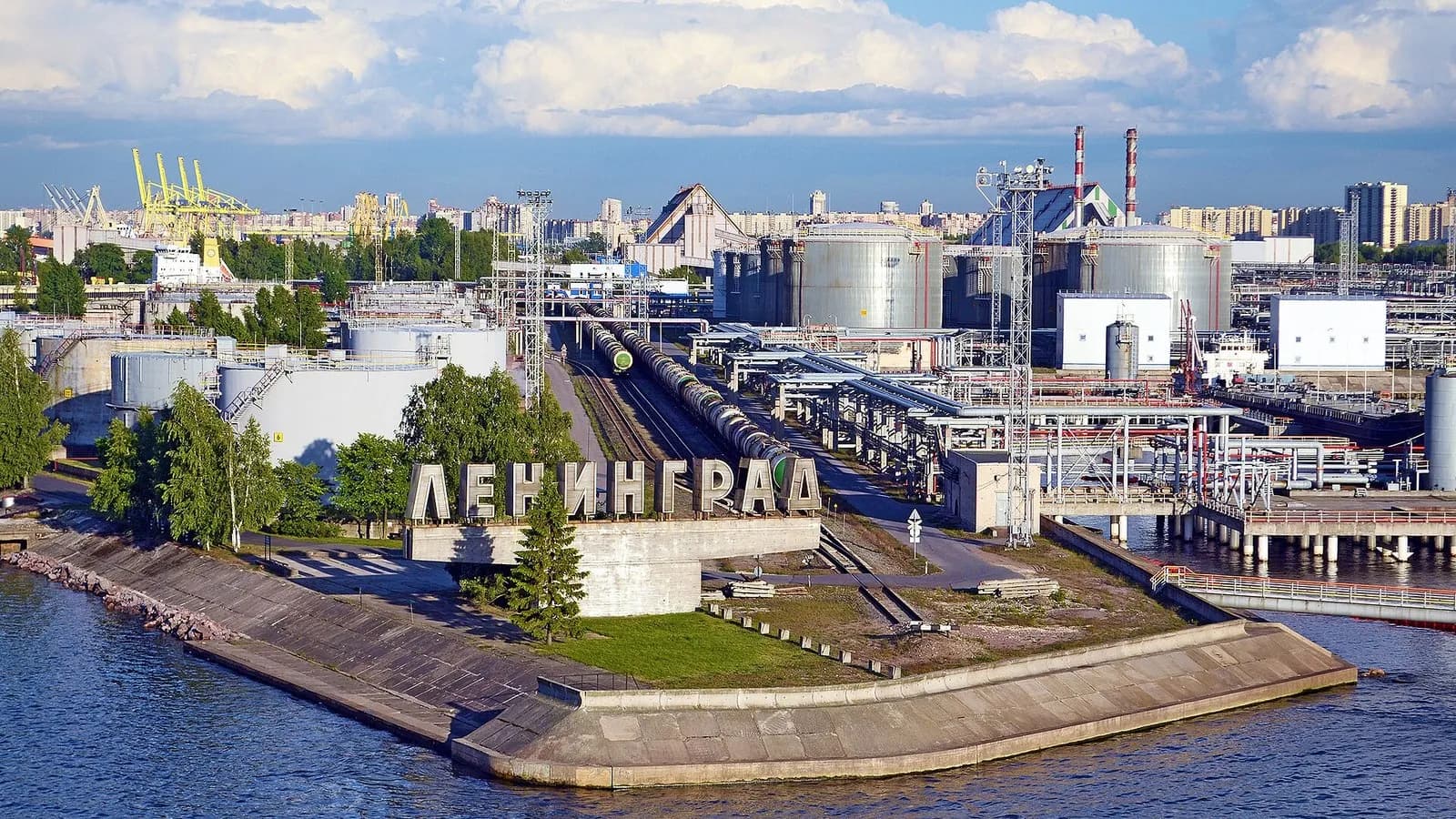
Ukraine launched more than a thousand drones at Russia overnight into Sunday, 18 October, and set fire to a major oil export terminal in St Petersburg, in one of the biggest aerial assaults of the war. By Monday the political fallout had reached Washington, where President Donald Trump said Volodymyr Zelenskyy "doesn't want to end this war."
The scale of the raid is Russia's own figure. Its defence ministry said it neutralised 1,015 Ukrainian drones over 15 regions, Crimea and the Black Sea, Al Jazeera reported. That count has not been independently verified.
What did the drones hit in St Petersburg?
Governor Alexander Beglov said fires broke out at the St Petersburg oil terminal and the Ruchyi oil depot, and at industrial warehouses in the Kolpinsky district south of the city. At least one person was killed and five injured, he said, and homes and apartment buildings were damaged. Flights at the city's main airport were restricted "for safety reasons."
Other targets were reported across the wider region. ABC News said a large data centre was also struck and that two transformer substations in Yanino were hit, leaving about 20,000 people without power in the Leningrad region, according to its governor, Alexander Drozdenko. The Russian social network VK said its data centre in the region was attacked but that its services stayed available.
What happened to the energy ceasefire?
Trump announced an "energy ceasefire" between the two countries on 11 October, a development we reported at the time. ABC reported that Ukraine paused refinery strikes under his pressure, while the Kremlin did not abide by the truce. Zelenskyy said Russia attacked Ukrainian energy, oil and gas sites 76 times in the week afterwards and was trying to cause a blackout.
On Sunday, Trump defended his decision to pause new Russia sanctions and criticised the Ukrainian strikes, saying Kyiv's leader did not want the war to end, per Al Jazeera. That pause is the sanctions waiver we reported on earlier. Zelenskyy, appearing on NBC's Meet the Press, argued that waiving sanctions strengthens Putin's war effort, and said siding with Moscow would be a historic mistake for Washington even as he said he trusted Trump.
How is Russia responding?
Overnight into Monday, a Russian air strike on Kyiv killed a woman, hit a subway station and damaged a 25-storey residential building, Mayor Vitali Klitschko said, with three others injured, according to Al Jazeera. Zelenskyy put the previous week's Russian total at almost 2,700 attack drones, 1,700 aerial bombs and 66 missiles.
The next test is whether either side treats the October truce as anything more than a headline. With Moscow still striking the Ukrainian grid and Kyiv now hitting Baltic export capacity, the diplomacy Zelenskyy discussed with envoys Steve Witkoff and Jared Kushner has less room than it had a week ago.
Published in The Outspoken Digest
Editorial desk
Outspoken Digest News DeskReports for The Outspoken Digest across Latest Trends, Sports, Nutrition, Crypto.
Newsletter
The Digest, in your inbox
One edition, sent when it is ready. No noise, and your address is never passed on.
Read Next
More Latest Trends →
France Lines Up an Extra 200,000 Tonnes of Gulf Diesel a Month as Macron Tours the Gulf
Oct 21, 2026/2 min read

More Than 250,000 Have Fled Yemen's Fighting Since July as a Houthi Missile Strike Kills Dozens of Recruits
Oct 21, 2026/2 min read
King Charles Hosts Oman's Sultan at Windsor and Praises Muscat's Role in Reopening Hormuz
Oct 21, 2026/2 min read
NATO Sends More Patrol Planes to the Black Sea After a Run of Drone Strikes on Merchant Ships
Oct 21, 2026/2 min read