US and Israel Have Drawn Up Plans to Strike Iran After the Midterms, New York Times Reports
A New York Times report on Wednesday says Washington and Israel have prepared a short, intense campaign against Iran for after 3 November, and oil climbed to its highest since May.
Friday, October 23, 2026/2 min read
The United States and Israel have drawn up plans for renewed strikes on Iran to follow the American midterm elections on 3 November, according to a report by The New York Times that spread across markets and capitals on Thursday. The paper cited US officials and others briefed on the discussions.
Nothing has been ordered. The report, as relayed by The Times of Israel, says President Donald Trump could still decide against any new operation, and puts the chance that he authorises strikes this month as small.
What do the reported plans involve?
The two militaries are said to have stepped up drills for what the report calls a short but intensive operation, including flights over Iraq to rehearse strike manoeuvres. Possible targets include Iranian energy sites, nuclear facilities and missile and drone stocks. Officials quoted by the paper argue that another major round could badly damage Iran's economy and force diplomatic concessions.
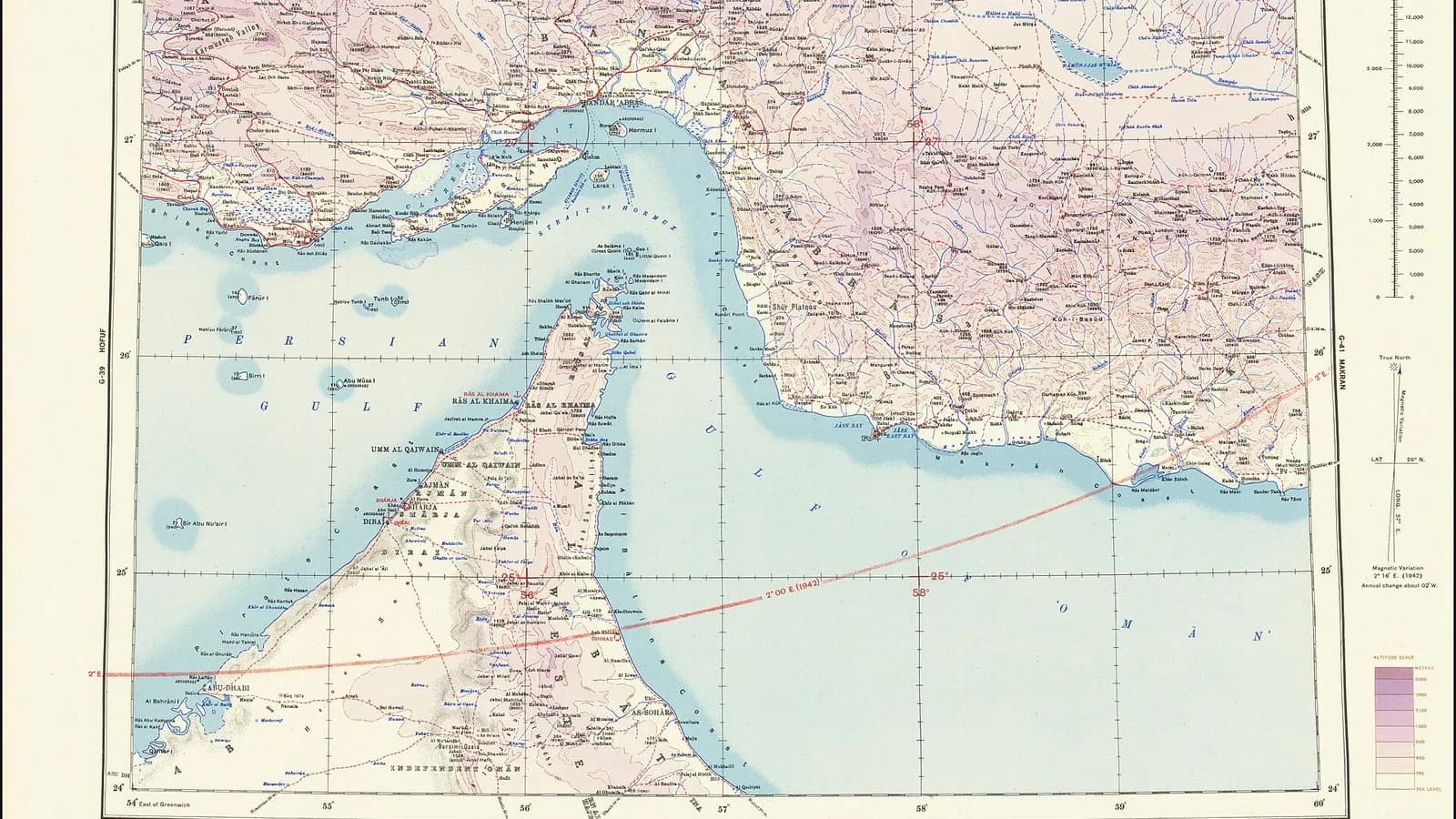
The disclosure comes a day after we reported that Iran says Hormuz stays shut until Washington accepts its seven-day plan. Separately, Democracy Now reported that Iran's Revolutionary Guard claimed to have struck four vessels transferring oil in the northern Gulf and that three other ships hit mines in the strait; those are the Guard's own claims, which the summary did not independently confirm.
How has Iran responded?
NBC News reported that Iranian officials promised "widespread retaliation" and named Middle East data centres and undersea internet cables as potential targets. It also said the United States had reportedly begun moving some military and diplomatic personnel out of several regional countries. Trump, according to a Times of Israel live blog entry that day, accused Iran of making up fake hits to push oil prices up before the elections. An Israeli Channel 13 report in the same feed said the army chief saw no sign that action against Iran was needed before Israel's own election.
The regional picture was already tense. Democracy Now reported that dozens of Israeli fighter jets carried out war games along Iran's western borders and that multiple explosions were reported in the port city of Sirik, a place we mentioned in our earlier Hormuz report.
What did it do to oil?
Brent crude settled at $113.17 a barrel, up 4 percent and the highest since 4 May, and US crude closed above $99, as Wall Street fell, NBC News said. The fear is simple: a second round of strikes would again threaten shipping through Hormuz while fuel prices are already a political burden for the White House. Our market report covers Thursday's trading.
What to watch next
The next two weeks hold the key dates. Trump has not authorised an operation, the force build-up is reportedly still under way, and voting is on 3 November. Whether Tehran treats the leak as a bluff or a deadline will show in shipping data through Hormuz and in the price of crude before then.
Published in The Outspoken Digest
Editorial desk
Outspoken Digest News DeskReports for The Outspoken Digest across Latest Trends, Sports, Nutrition, Crypto.
Newsletter
The Digest, in your inbox
One edition, sent when it is ready. No noise, and your address is never passed on.
Read Next
More Latest Trends →
Trump Rallies in Port Huron Against El-Sayed as Michigan's Senate Race Enters Its Final Eleven Days
Oct 26, 2026/2 min read

Trump Rules Out a Sunday Strike on Iran as Qatari Mediators Reach Tehran and Houthi Missiles Hit Saudi Arabia
Oct 26, 2026/3 min read

Zelenskyy Confirms Trilateral Peace Talks With Russia and the US Will Take Place in November
Oct 26, 2026/2 min read

Serbia's Student List Wins the Election as Vucic Concedes, Ending 14 Years of Progressive Party Rule
Oct 26, 2026/2 min read